



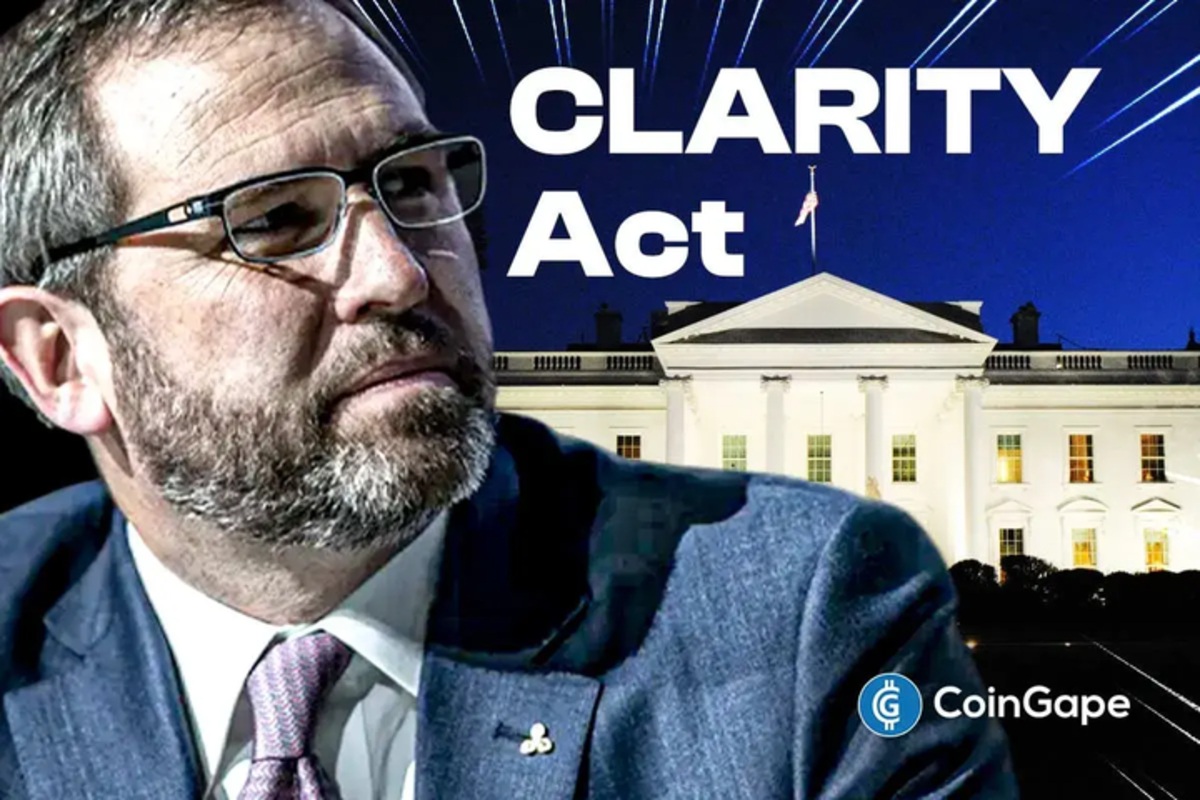

Ripple CEO Brad Garlinghouse’s Optimism on the CLARITY Act: A Turning Point for Crypto Regulation
Ripple CEO Brad Garlinghouse has voiced significant optimism regarding the potential passage of the long-awaited CLARITY Act, an essential piece of legislation for the cryptocurrency industry. Speaking at the Semafor World Economy event on April 13, he highlighted that the ongoing negotiations between banks and crypto representatives over stablecoin yields appear to be progressing towards a resolution. Garlinghouse’s remarks reflect a growing confidence that regulatory clarity for cryptocurrencies may soon become a reality.
Garlinghouse underscored the importance of compromise in legislative processes, stating that intense negotiations often lead to breakthroughs. "When people are at their peak frustration, that’s when they finally compromise, and it gets done," he remarked. This sentiment aligns with his belief that the current discussions around the CLARITY Act are at a critical juncture. He expressed hopes for the Act to pass by the end of May, a slight shift from his previous predictions that anticipated a resolution by the end of April. This optimism highlights an encouraging trend in the negotiations critical to the crypto sector.
The ongoing tensions surrounding stablecoin yields have been a significant roadblock for the CLARITY Act. The American Bankers Association recently criticized a White House report that examined stablecoin yields, asserting that the analysis was misguided. Their stance opposes the notion that allowing yields on payment stablecoins would attract deposit flight, especially from smaller banks. The report offered insights suggesting that a ban on stablecoin yields would not substantially improve bank lending capacity, indicating that the concerns surrounding deposit flight are "quantitatively small."
As the crypto sector and traditional banking institutions grapple with these complexities, the call for regulatory clarity grows more urgent. Recently, Treasury Secretary Scott Bessent urged Congress to prioritize the passage of a comprehensive crypto market structure bill. He warned that the window for establishing clear regulations for the cryptocurrency industry is narrowing, emphasizing the shortsightedness of delaying crucial legislative action. As these discussions evolve, the need for a harmonious relationship between traditional finance and the burgeoning crypto industry becomes increasingly important.
In a promising development, Senator Thom Tillis indicated that a draft agreement on stablecoin yields could be released soon, which may help facilitate consensus between banking entities and crypto representatives. This forthcoming draft could play a pivotal role in resolving outstanding disagreements that have hindered the CLARITY Act’s progress. With the U.S. Senate poised to resume discussions regarding the Act this week, industry participants are hopeful that regulatory clarity for cryptocurrencies may finally be on the horizon.
The potential passage of the CLARITY Act could mark a significant turning point for the crypto industry, reinforcing confidence among investors and businesses alike. By providing a clear regulatory framework, the Act could foster innovation and growth within the sector while ensuring that traditional banking institutions are not adversely impacted. As Ripple positions itself as a bridge between traditional finance (TradFi) and the crypto environment through innovations like XRP and RLUSD, the outcome of the CLARITY Act discussions will undoubtedly influence the company’s strategic direction moving forward.
In conclusion, Brad Garlinghouse’s optimism surrounding the CLARITY Act reflects broader trends within the financial landscape where traditional banking and cryptocurrency seek to coexist. With critical negotiations underway, the need for regulatory clarity becomes increasingly pressing, setting the stage for a new chapter in how financial systems operate in relation to digital assets. As both sides of the table work toward compromise, there remains hope that a favorable resolution may soon be achieved, benefiting the entire financial ecosystem.