



Geopolitical Crisis and Its Impact on Global Markets: A Comprehensive Overview
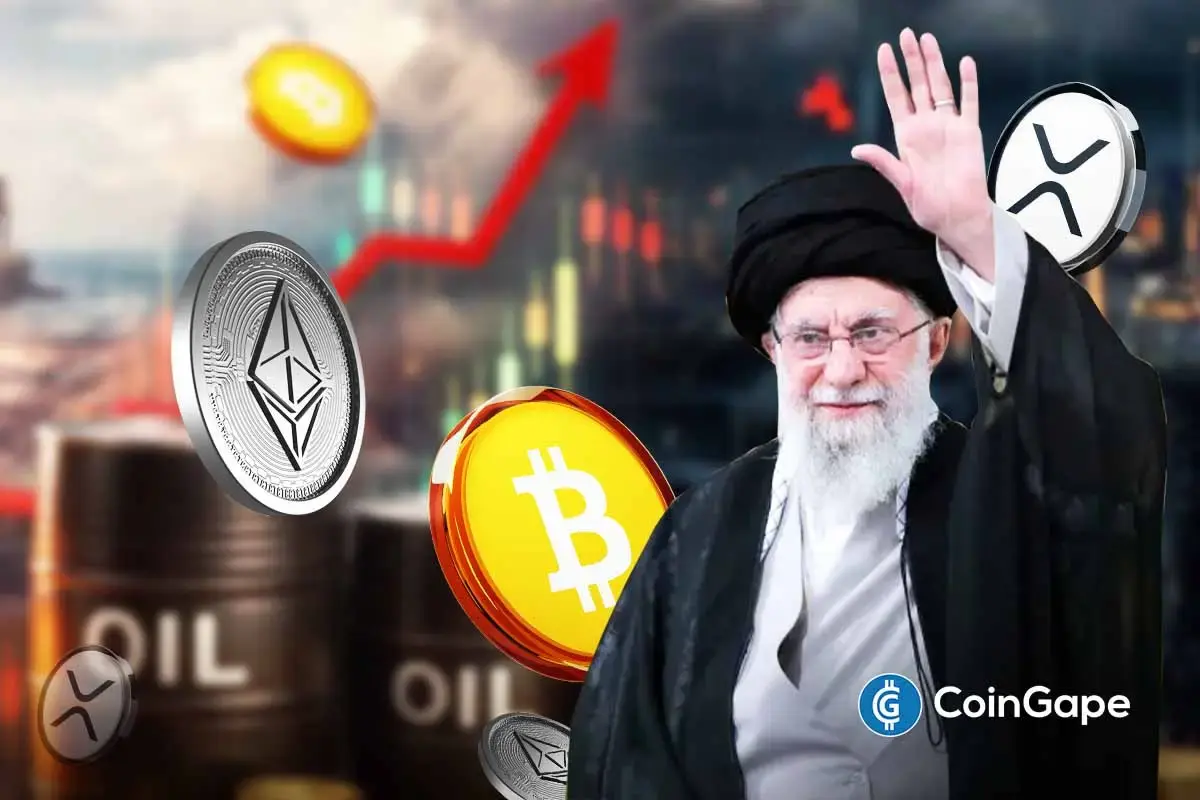
The global financial landscape was shaken at the start of the week as the United States and Israel executed a historic strike on Iran, resulting in the death of Iranian Supreme Leader Ayatollah Ali Khamenei. This unprecedented escalation in geopolitical tensions sent shockwaves through various asset classes, leading to a notable decline in cryptocurrency prices while traditional safe-haven assets, including gold and oil, saw significant increases.
Crypto Market Reactions to Khamenei’s Assassination
Following news of Khamenei’s demise, initial reactions in the cryptocurrency market suggested a brief sense of optimism among investors. Bitcoin (BTC) saw a temporary surge, climbing back to around $68,000. This was fueled by speculation that Iran’s leadership vacuum might pave the way for a de-escalation of tensions. However, this optimism proved fleeting. As geopolitical risks intensified, crypto assets failed to sustain their gains, driven down by broader market sentiment that turned increasingly risk-averse. Just one day after reaching a seven-month peak, BTC’s price fell to $66,249, reflecting a 1% loss within 24 hours.
The initial downturn wasn’t isolated to Bitcoin. Ethereum (ETH) and XRP, two major altcoins, also saw significant losses post-strike. Ethereum briefly breached the $2,000 mark but fell to $1,947, witnessing a decrease of 2.46%. XRP also experienced downward pressure, slipping from $1.40 to $1.35—representing a nearly 3% drop. This volatility highlights the fragile state of the crypto market amidst the unfolding geopolitical tensions.
Investors Flee to Safe-Haven Assets
In stark contrast to the crypto market’s turbulence, traditional investments viewed as safe havens surged, reflecting heightened anxiety over the Middle East situation. Oil prices rose dramatically, recording their most substantial increase in four years, which fuelled fears of potential disruptions in energy supply lines. As a direct consequence of escalating conflicts, major stock indexes—like Japan’s Nikkei 225 and Hong Kong’s Hang Seng Index—reacted negatively, compounding investor anxiety.
Investment analyst Caroline Mauron from Orbit Markets noted that the current focus of investors remains heavily weighted toward oil, with the emerging situation surrounding the Strait of Hormuz drawing particular attention. This highlights a stark divergence in investor behavior, with traditional safe-haven assets taking precedence while the crypto market continued to fluctuate within a relatively narrow band of $60,000 to $70,000.
Oil Prices: A Major Indicator of Market Sentiment
The surge in oil prices not only underscores investor apprehensions over energy supply disruptions but is also closely tied to the reaction in the cryptocurrency markets. Analysts speculate that the rise in oil costs could be one of the primary drivers behind the current crypto downturn. As tensions escalate and Iran dismisses reports aimed at resuming nuclear negotiations with the U.S., the risk profile for investors grows, pushing them away from more volatile assets such as cryptocurrencies.
Moreover, reports indicate that investors have begun reallocating funds into gold and silver, further elevating the value of these traditional stores of wealth. Over the same period, gold prices surged to a high of $5,382.87, marking a significant increase of 2.02% within just 24 hours. Silver prices also experienced upward momentum, reaching $95 with a 1.5% gain.
The Broader Implications of Geopolitical Tensions
The fallout from the U.S. and Israeli action against Iran serves as a crucial reminder of the interconnectedness of global markets. Economic indicators often resonate beyond their immediate contexts, prompting widespread repercussions across asset classes. The heightened geopolitical risks introduce complexity into market valuations, affecting not only commodities and stocks but also cryptocurrencies that, despite their growing significance, remain deeply intertwined with traditional financial systems.
Investors often pivot toward assets that can withstand geopolitical volatility, reinforcing the upward trajectory of safe-haven assets. As authorities brace for potential retaliatory moves from Iran, market participants will remain on high alert, closely monitoring developments that could further escalate tensions or sway the balance of risk perception in financial markets.
Conclusion: Navigating Uncertain Waters
In conclusion, the assassination of Ayatollah Ali Khamenei has ushered in an era of increased uncertainty within global markets. While cryptocurrencies faced immediate repercussions, traditional assets like gold and oil have seen significant increases as investors search for stability in tumultuous times. The nimbleness with which investors pivot between risk-on and risk-off assets illustrates the delicate balance that characterizes the current financial landscape. Moving forward, all eyes will be on the geopolitical developments that could influence market trends and dictate investment strategies in the weeks to come.
As investors and analysts alike continue to monitor the situation, it is essential to acknowledge the unpredictable nature of the geopolitical climate and its far-reaching implications for various asset classes. Understanding these market dynamics will be vital for making informed investment decisions in an increasingly interconnected world.