



The Future of the Crypto Market in 2026: Impact of Trump’s Tariff Policies
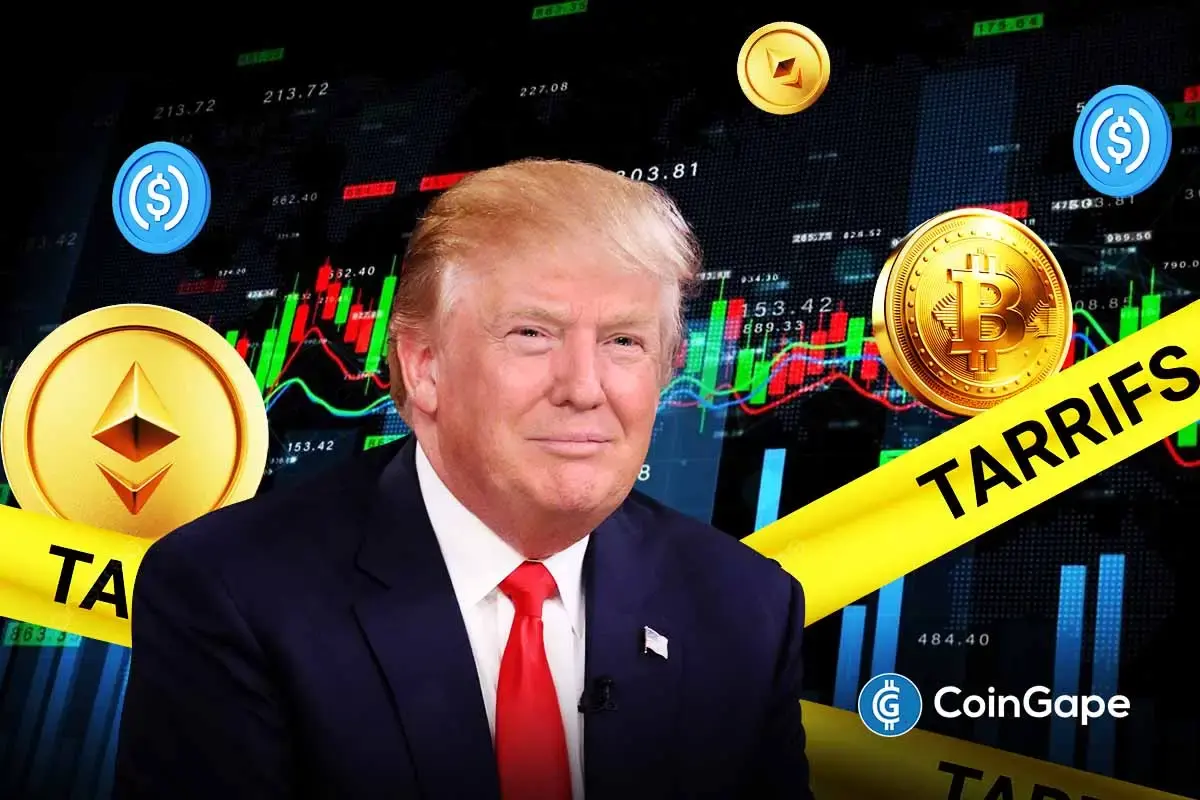
As we approach 2026, the cryptocurrency market finds itself at a crossroads, heavily influenced by the uncertain tariff agenda of former US President Donald Trump. The introduction of various trade tax policies next year is poised to trigger volatility in major cryptocurrencies, including Bitcoin and Ethereum, as well as numerous altcoins. Analysts and market experts are keenly observing Trump’s moves, speculating on the potential repercussions for the global economy and particularly the crypto sector.
Understanding Trump’s Tariffs and Their Expected Impact
The Council on Foreign Relations recently shed light on the potential consequences of Trump’s tariff policies for the crypto market. Economics expert Benn Steil emphasized that one of the significant unknowns influencing global economics in 2026 is how these tariffs will be implemented and their consequential effects. This uncertainty comes on the heels of a tumultuous 2025, where previous tariff measures led to extreme price fluctuations within the crypto market, despite positive developments such as increased ETF inflows.
The crypto landscape will undoubtedly feel the effects of tariff policies if they mirror the severity of those introduced in 2025, which saw a dramatic impact on market asset values. With established players like Bitcoin and Ethereum under threat, cryptocurrency investors are bracing for potential market instability.
Analyzing the Potential Tariff Structures for 2026
Looking ahead, the implementation of Trump tariffs carries notable risks for the crypto market. In 2025, the US government attempted to impose a 100% tariff on Chinese imports, a move that was later deferred. However, as the US Supreme Court raised concerns about ongoing trade negotiations, this suspension of the 24% reciprocal tax rate is set to expire on November 10, 2026. This scenario marks a critical point for potential tariffs that could reshape the market landscape.
If these tariffs are reintroduced in 2026, we may witness significant turbulence in the crypto sector. Experts predict that reactivating such measures could stifle market growth, lead to heightened inflation, and tighten financial conditions, all of which would be detrimental to cryptocurrency valuations.
Risks of Imported Tariffs on Cryptocurrencies
One crucial aspect of the ongoing tariff discussions involves the across-the-board import tariffs that Trump hinted at extending beyond the current 10% baseline. This action would have a direct impact on cryptocurrency prices, especially if it targets industries involved with digital services. Speculations suggest that targeting nations enforcing digital services taxes could prompt substantial sell-offs in the crypto market, affecting investor sentiment.
Furthermore, these tariff strategies may lead to equity repricing across various sectors, further intertwining the crypto market with traditional finance. Stakeholders must consider these relationships as potential headwinds as global trade policies evolve.
Evaluating Economic Indicators and Tariff Implications
The broader economic implications of Trump’s tariffs cannot be overlooked. The President has recently touted the benefits of tariffs, claiming they bolster national security and enhance economic performance. However, market analysts argue that while such measures may provide short-term boosts, they can destabilize long-term market conditions, particularly for emerging sectors like cryptocurrencies.
Investors remain wary about the broader economic environment, as the specter of tariffs may result in increased costs for businesses, leading to price hikes across consumer goods. Such dynamics could curtail spending, thereby affecting the overall economic climate and, by extension, the crypto market.
Preparing for Uncertainty in the Crypto Landscape
As 2026 approaches, the crypto market faces a high level of uncertainty largely influenced by Trump’s tariff policies. The interplay between trade taxes and market performance will be a key focus for investors, traders, and analysts alike. While the immediate effects may not be clear, the potential for volatility looms large.
Fostering an informed trading strategy is essential for crypto investors in this shifting landscape. Keeping a close watch on geopolitical developments, particularly surrounding tariffs, will be crucial for navigating potential pitfalls in the market. The crypto market is increasingly influenced by traditional economic policies, and understanding these intricacies will better position investors for success.
Conclusion: Navigating the Future of Crypto Amidst Tariff Challenges
In summary, the crypto market’s trajectory in 2026 is deeply intertwined with the ongoing uncertainties surrounding Trump’s tariff policies. As major cryptocurrencies like Bitcoin and Ethereum brace for potential volatility, the implications of trade tax changes will resonate throughout the entire digital asset ecosystem. Investors must remain vigilant, adapting their strategies to account for these geopolitical developments while keeping an eye on both market trends and broader economic indicators.
With complexities increasing in both global trade and cryptocurrency markets, staying informed will be key to successfully navigating this evolving landscape. The interplay of tariffs and market dynamics will shape the crypto ecosystem in unforeseen ways, making foresight and strategic planning vital for stakeholders looking to thrive in 2026 and beyond.