



Fed Rate Cuts Possible If Trump Tariffs Are Lifted
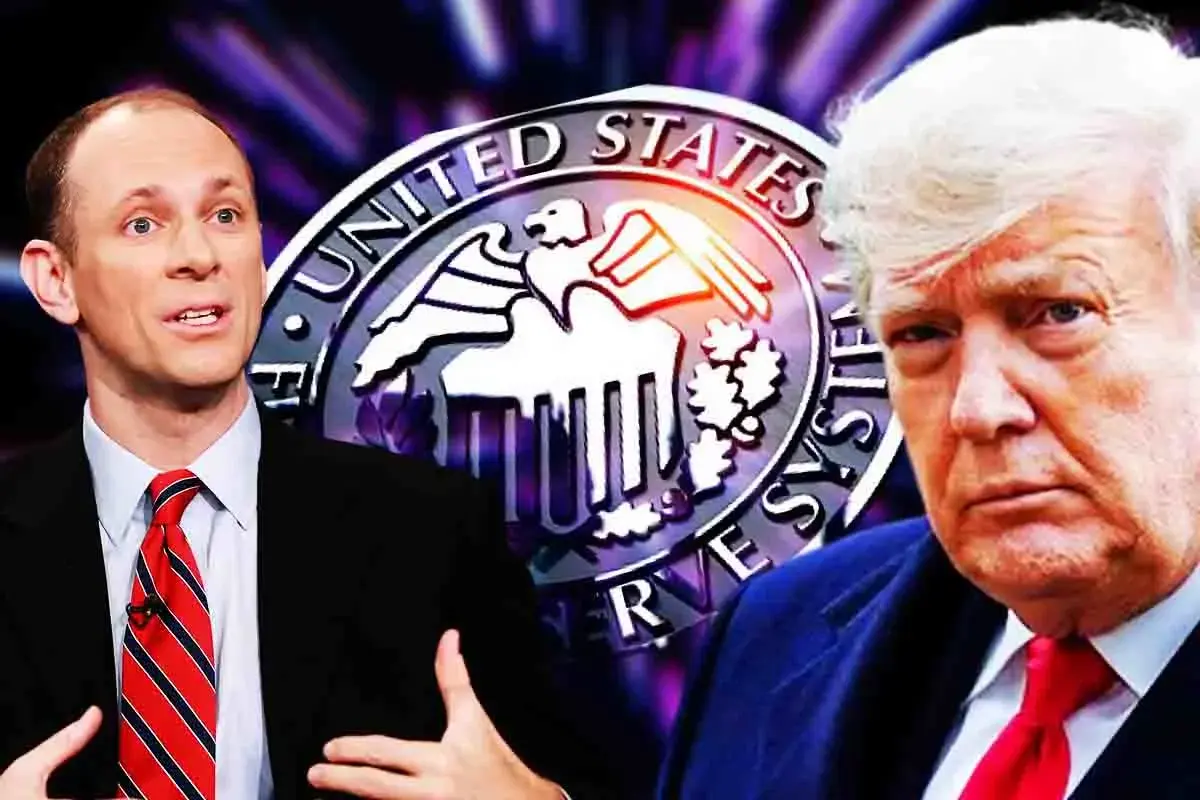
The latest minutes from the Federal Open Market Committee (FOMC) indicate a cautious approach from Jerome Powell and the US Federal Reserve, particularly in light of the ongoing tariffs imposed by former President Donald Trump. According to insights from Austan Goolsbee, President of the Chicago Federal Reserve Bank, there could be an opportunity for Fed rate cuts if these tariffs are effectively removed through trade negotiations or other measures. He posits that a favorable resolution could bolster the economy enough to warrant a shift in monetary policy.
Understanding the Current Economic Landscape
The backdrop of Goolsbee’s statements is the relative robustness of the US economy and a notable decline in inflation rates. Following the recent FOMC meeting minutes released in May, it has become clear that the Fed is hesitant to lower benchmark interest rates amid concerns that the tariffs may contribute to inflationary pressures. Consequently, the central bank is adopting a "wait and see" stance, indicating that they prefer to monitor ongoing developments before taking decisive actions on interest rates.
Implications of Tariffs on Economic Policy
The implications of Trump’s tariffs extend beyond just trade dynamics; they fundamentally impact monetary policy as well. The Fed’s cautious demeanor highlights their awareness that prolonged tariffs could spike inflation, forcing them to keep interest rates steady. This strategy underscores a significant aspect of economic governance: the intricate balance between fiscal discipline and stimulating the economy through lowered borrowing costs.
Potential Legal Challenges to Tariff Policies
Complicating matters further, a recent ruling by the US Trade Court has significant implications for the current tariff regime. The court determined that President Trump may have overstepped his authority under the International Emergency Economic Powers Act (IEEPA) in instituting these tariffs. This ruling lays the groundwork for the potential dismantling of tariffs, which in turn could enable the Federal Reserve to adjust interest rates more freely.
The Administration’s Response
On the other side, White House adviser Kevin Hassett expressed optimism regarding the appeals court’s ability to overturn this ruling. There are discussions about escalating the case to the Supreme Court if necessary, indicating a resolve within the administration to uphold the tariff measures. This ongoing tug-of-war between judicial decisions and executive action demonstrates how intricate governance issues can influence economic outcomes.
Future Projections for Monetary Policy
Lastly, contrasting opinions within the Federal Reserve community suggest that any immediate rate cuts may be off the table. Robert Kaplan, former president of the Dallas Federal Reserve Bank, predicts sluggish growth for the economy but does not foresee a recession in the near term. His cautious outlook adds another layer to an already complex economic environment wherein the Fed must navigate through various potential financial and trade scenarios.
In conclusion, the relationship between Trump’s tariffs and Fed policy is a defining element of current economic discourse. As the Fed monitors external factors influencing inflation and growth, any shifts in tariff policy could prompt them to reconsider their current stance on interest rates. The ongoing legal and political developments will ultimately shape this landscape, affecting both domestic and global markets.