



US Federal Reserve’s Rate Cut Outlook Amid Iran War Tensions
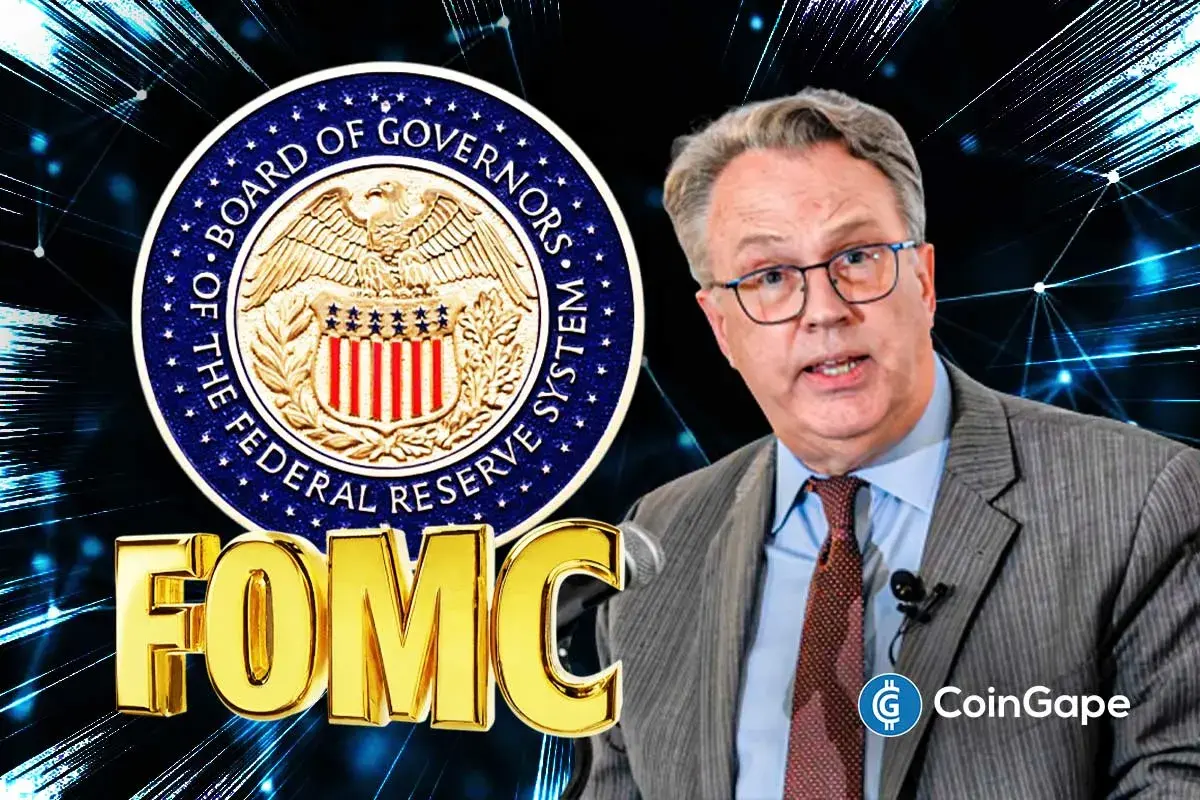
In recent statements, New York Federal Reserve President John Williams has indicated his reluctance to support any cuts to the federal interest rate at the upcoming April FOMC (Federal Open Market Committee) meeting. His apprehensions stem primarily from the economic repercussions of the ongoing U.S.-Iran war, which has led to heightened energy prices and escalated inflationary pressures. In a recent event in New York, Williams articulated the unique challenges stemming from the conflict and emphasized the current monetary policy stance as favorable for balancing inflation and employment goals.
Concerns About Inflation and Economic Stability
Williams underscored the prevailing uncertainties in the economic landscape, particularly due to the ramifications of the U.S.-Iran conflict. Since he holds a permanent voting seat on the FOMC, his views carry significant weight. He confirmed that the decision to maintain steady interest rates during the March FOMC meeting was significantly influenced by these factors. His cautious outlook reveals a commitment to navigating current risks without jeopardizing the Fed’s dual mandate — to promote maximum employment while stabilizing prices.
Moreover, the March FOMC minutes indicated a consensus among many Fed officials regarding the war’s potential adverse effects on both inflation and the labor market. These officials remain open to future interest rate cuts if weaknesses in economic indicators arise. Williams has projected that the employment rate will hover between 4.25% and 4.5%, while he anticipates overall inflation could reach 2.75% to 3% this year, largely due to the impacts of rising energy costs.
Rising Energy Prices: A Double-Edged Sword
The economic disruption caused by the U.S.-Iran war has resulted in a pronounced increase in energy prices, adding strain to an already fragile economic environment. Williams highlighted the possibility of a significant supply shock that could exacerbate inflation while simultaneously dampening economic activity. He has reiterated his skepticism towards a sudden rate cut given the current economic indicators and the unpredictable nature of the conflict.
While generalized supply chain bottlenecks have not yet become pronounced, he pointed out growing interruptions in energy supply. This chaos in energy markets is manifesting in rising fuel costs, which have ripple effects across various sectors, leading to higher prices for goods and services. The March Producer Price Index (PPI) also reflected this trend, showing a rise to 4%, significantly above the Federal Reserve’s 2% target. Given this context, market analysts widely expect the Fed to maintain interest rates rather than implement cuts.
Market Sentiments and Future Predictions
The prevailing sentiments in financial markets currently favor a steady interest rate policy. According to CME FedWatch data, there’s a remarkable 99.5% likelihood that the Fed will opt to hold rates steady during April’s FOMC meeting. This impression correlates with the broader anticipation among market participants, who doubt the probability of a rate cut occurring until a clearer picture of economic stability emerges.
Crypto traders exhibit similar apprehensions, suggesting that they do not foresee a reduction in interest rates until the October FOMC meeting, reflecting a cautious outlook based on current economic dynamics. This consensus among varying segments of the market showcases a significant degree of uncertainty relating to economic trends and federal monetary policy response.
Assessing the Long-Term Inflation Trajectory
Looking further ahead, Williams anticipates that inflation will ultimately stabilize at the Federal Reserve’s target of 2%, projected for 2027. This forecast is predicated on the assumption that the impacts of tariffs and fluctuating energy prices will gradually recede over time. However, this long-term forecast does not diminish the immediate challenges posed by rising energy costs, which presently contribute to inflationary pressures felt across the economy.
The Fed’s ability to navigate these current pressures will be crucial in dictating the approach to monetary policy. Balancing the dual mandate remains a fundamental priority, and Williams’ cautious yet optimistic tone demonstrates the complexities faced by policymakers, particularly in turbulent international contexts.
Conclusion: Navigating Economic Waters
John Williams’ outlook paints a complex picture of the current economic landscape influenced by geopolitical tensions, namely the U.S.-Iran war. His reluctance to endorse Federal Reserve rate cuts at this time emphasizes the importance of monitoring inflation and employment metrics. With rising energy prices and fluctuating economic indicators, a steady approach seems preferable for the moment.
As the Federal Reserve prepares for upcoming policy assessments, the focus will remain on how to best respond to ongoing challenges while fostering stability. The mixed signals from various market participants indicate a shared sentiment of caution, marking a critical period for monetary policy. The developments in the coming months will undoubtedly shape the Federal Reserve’s strategy, especially as they seek to uphold their primary objectives amid uncertain global circumstances.