


The Evolution of Digital Asset Treasuries: From DATs to DAT++
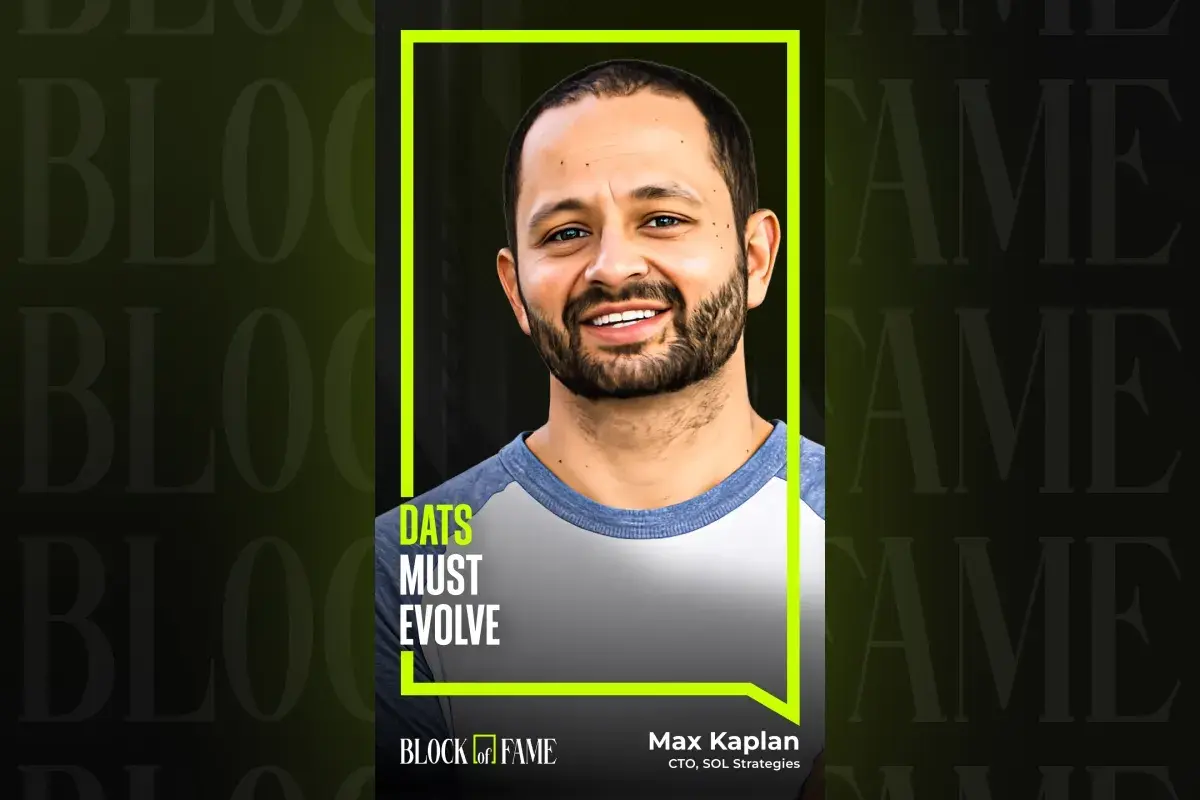
In the rapidly changing landscape of cryptocurrency, Digital Asset Treasuries (DATs) were once heralded as the bridge between traditional finance and the emergent digital economy. However, recent data indicates that the initial promise of DATs is faltering. A study by Artemis Analytics reveals that the majority of these treasuries are currently experiencing significant unrealized losses. A striking instance is Bitmine Immersion Technologies, which reported losses exceeding $6.6 billion. These developments cast a shadow over the viability of DATs as a sustainable financial model. As Max Kaplan, CTO at SOL Strategies, stated, the consolidation of DATs is no longer a possibility; it’s inevitable.
One major issue facing DATs is their resemblance to one another, lacking the distinctive advantages that would drive investment over more familiar vehicles like Exchange-Traded Funds (ETFs). Traditional investors are comfortable with ETFs, which makes them likely to gravitate back to these proven financial instruments. Kaplan points out that while DATs have potential, their inherent complexities and risks can deter average retail investors, who may have difficulty grasping the nuances involved. This situation raises questions about the sustainability of DATs in a marketplace increasingly dominated by more straightforward investment alternatives.
Staking: A New Imperative
As DATs grapple with challenges, staking is becoming an essential strategy for institutional crypto products. Many digital asset treasuries are now staking their holdings to generate additional income. Kaplan states that if assets aren’t staked on proof-of-stake networks, they risk dilution as stakers and validators collect inflation rewards. However, staking isn’t without its own risks and intricacies.
The concept of native staking is often perceived as a risk-free return, but it involves lock-up periods. Liquid staking offers flexibility but introduces new risks associated with smart contracts. This increasingly intricate environment demands that investors make nuanced choices rather than relying on absolute certainty. The evolution towards staking is indicative of the broader trend where efficiency and revenue generation take precedence over passive asset holding.
The Shift to DAT++: A Case Study
Kaplan’s analysis includes a compelling case study: his own firm, SOL Strategies. The transition from a basic DAT model to an innovative DAT++ strategy did not occur overnight; it unfolded gradually, influenced by both market pressures and corporate strategy. Initially, SOL Strategies concentrated on accumulating and holding SOL tokens. However, as market conditions changed in 2022-2023, it became clear that this passive approach was no longer sufficient.
By 2023-2024, SOL Strategies began to build validator infrastructure and expand its staking operations, including partnerships with validator businesses like Orangefin Ventures. This marked a significant pivot from merely holding assets to actively participating in the Solana ecosystem. Kaplan emphasizes that from the outset, SOL Strategies aimed to develop infrastructure alongside its treasury operations rather than simply operate as a passive digital asset fund. They now serve as a significant staking provider and continue to enhance their product offerings.
Addressing Infrastructure Inefficiencies
While the infrastructural shift shows promise, inefficiencies remain. Kaplan asserts that many validators have yet to optimize their revenue generation strategies. The longer a validator delays producing a block, the more potential revenue they miss out on. At SOL Strategies, they prioritize efficient block production to boost overall revenue for the network. Maintaining optimal performance is essential to ensure both their stakeholders and the Solana ecosystem thrive, moving beyond short-term gains.
The Solana vs. Ethereum Debate
Market dynamics have also shifted, particularly as major digital assets like Bitcoin, Ethereum, and Solana have all seen substantial declines recently. Kaplan notes that while Ethereum has its own strengths, particularly due to first-mover advantages, Solana distinguishes itself by excelling in scalability and user experience. He argues that the decentralized nature of Solana effectively positions it as a functional hub for decentralized finance (DeFi).
In contrast, Ethereum struggles with liquidity fragmentation across numerous Layer 2 solutions, making navigation cumbersome for users. While Ethereum retains certain advantages, notably in total value locked (TVL) and stablecoin issuance, Solana’s streamlined approach allows it to capture much of the DeFi activity more efficiently.
The Future of Digital Asset Treasuries
The road ahead for DATs appears increasingly clear. According to Kaplan, the future of digital asset treasuries lies not in merely holding a diversified balance sheet but in creating operating businesses. Relying solely on asset valuation will not sustain these firms over the long term. The focus should shift towards earning revenue through active business models.
At SOL Strategies, this journey is firmly rooted in building out a sustainable infrastructure dedicated specifically to the Solana ecosystem. The straightforward strategy of buying, holding, and staking will not suffice in the evolving market landscape. The trend towards hybrid models combining infrastructure and revenue generation is emerging as an inevitable next step for digital asset treasuries.
Conclusion
As the digital economy matures, it is evident that adaptation is crucial for the survival of Digital Asset Treasuries. The transition from traditional DATs to innovative models like DAT++ represents both a response to market challenges and a proactive approach to ensure longevity and relevance within a competitive landscape. With the focus shifting towards building operational frameworks that generate revenue, the next phase of digital asset treasuries will redefine success, emphasizing what they create and contribute rather than just what they hold.