



The Race for the Next Fed Chair: Kevin Hassett Faces Growing Competition
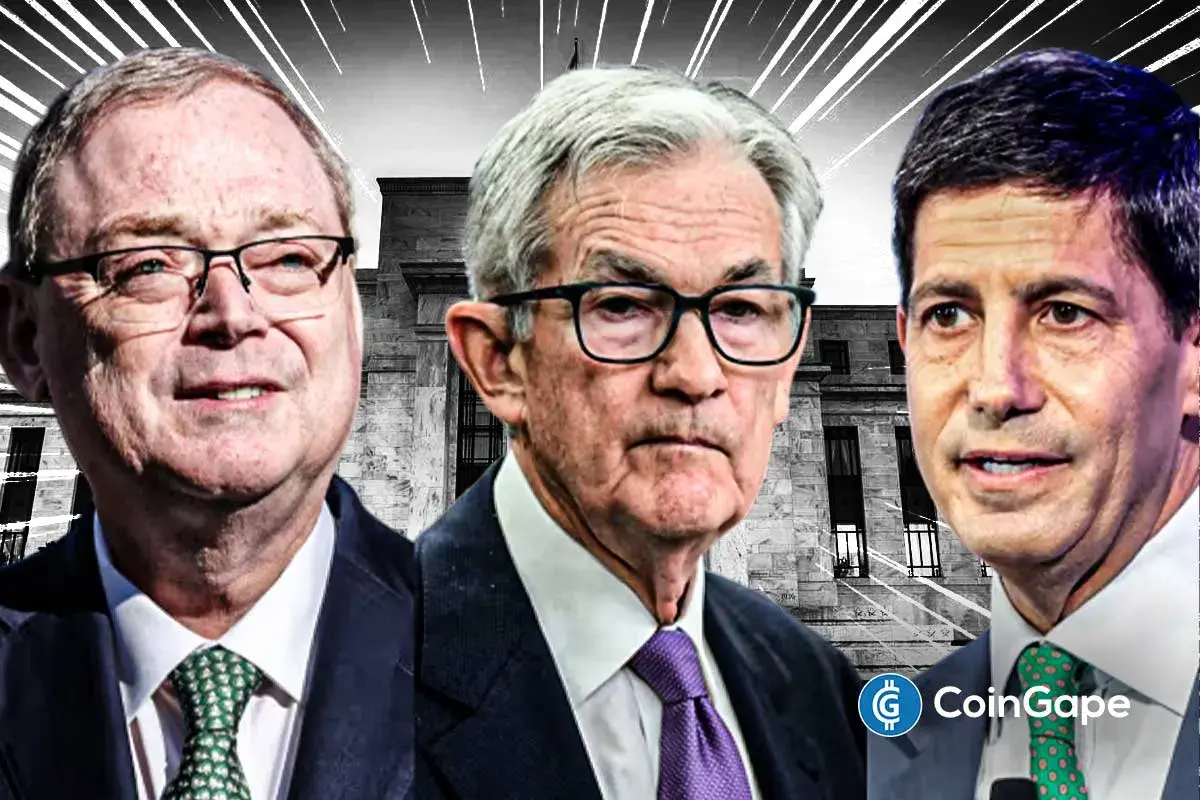
As President Trump gears up to nominate the next Federal Reserve Chair, the predicted odds for Kevin Hassett’s appointment have fallen below 50%, signaling a shift in the nomination landscape. Recent polling on prediction markets indicates an increasing level of competition, with financial analysts and traders turning their attention to other candidates such as Kevin Warsh, Christopher Waller, and Rick Rieder. This tightening of the race suggests that doubts are growing regarding Hassett’s ultimate nomination and raises questions about what these changes could mean for U.S. monetary policy.
The Shift in Odds: Who Are the Contenders?
Once a frontrunner in the race, Hassett’s chances have fluctuated dramatically over recent weeks. Initially gaining momentum in early December when support appeared steadfast, the landscape has evolved with Warsh and Waller emerging as serious contenders. While Warsh has captured more attention lately, Waller maintains a stable position as a plausible candidate. Although Rick Rieder currently holds a lower probability of being nominated, his presence in the conversation indicates an interesting diversification of choices for the next Fed Chair, highlighting the increasingly complex nature of the selection process.
Trump’s Influence on Monetary Policy Decisions
The dynamics of this nomination race are certainly influenced by President Trump’s views on interest rates and economic direction. Recent commentary from financial figures like Anthony Scaramucci and Mike Novogratz emphasizes how Trump’s monetary policy preferences might shape the selection process. They suggest that Trump may favor candidates who align with his vision of significantly lower interest rates—potentially as low as 1%. This stance raises expectations that the choice for the next Fed Chair may lean more dovish, creating ripples in investor sentiment about future monetary decisions.
Market Reactions: Rate Decisions and Investor Sentiment
With the Federal Reserve’s next meeting on the horizon, investor speculation is intensifying, particularly regarding the likelihood of maintaining current interest rates. The market’s focus is also shifting toward the risks related to potential rate cuts and inflation pressures. The prevailing sentiment is one of heightened caution, as stakeholders keep a close watch on how the new Fed Chair may navigate economic challenges if appointed. The realities of the financial landscape now necessitate awareness of the broader implications of the Fed Chair’s stance on interest rates and economic policies.
The Political Landscape of Fed Chair Selection
The current selection process for the Fed Chair stands in stark contrast to earlier administrations, characterized by a more politicized atmosphere. This political undercurrent adds a layer of complexity to the nomination process, with each shift in speculation bearing significant weight. The heightened scrutiny surrounding potential candidates reflects a broader concern about how the choice could impact monetary policy and the economy as a whole. Investors and analysts must now adapt to this politically charged environment and anticipate the stakes associated with the Fed Chair nomination.
Conclusion: What Lies Ahead?
As the race for the next Federal Reserve Chair unfolds, the sense of uncertainty looms large. Kevin Hassett’s fading odds coupled with the rising profiles of candidates like Warsh and Waller indicate a competitive landscape that continues to evolve. Trump’s potential influence on the selection process adds another layer of complexity and importance, especially in light of investor sensitivity to interest rate fluctuations. As we move closer to the nomination, the markets will be closely monitoring developments, preparing for the ultimate impact this decision will have on U.S. economic policy and the financial landscape.