




Elizabeth Warren’s Opposition to the GENIUS Act: Implications for Trump-Backed Stablecoin
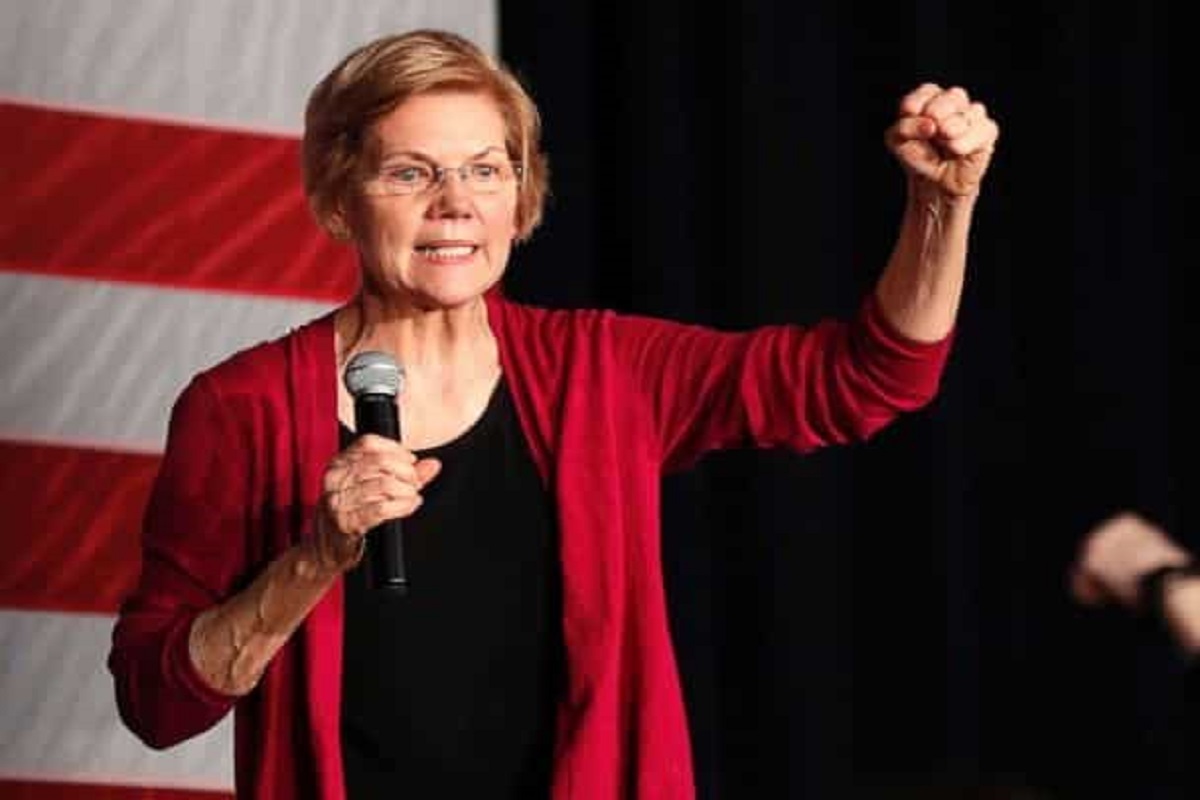
In a significant shift within the U.S. legislative landscape, Senator Elizabeth Warren has voiced strong reservations against the Guiding and Establishing National Innovation for US Stablecoins (GENIUS) Act. Initially perceived as bipartisan support for stablecoin legislation, Warren’s intervention raises critical questions about the bill’s potential ramifications. Her concerns primarily focus on how the act could inadvertently benefit World Liberty Financial (WLFI), a firm connected to former President Donald Trump, amidst allegations of corruption linked to foreign investments.
The Crux of Warren’s Concerns
Senator Warren’s criticism of the GENIUS Act stems from her assertion that the legislation could facilitate an unjust financial windfall for WLFI. According to reports, the firm is poised to leverage a deal with MGX, a UAE-based company, to utilize the USD1 stablecoin in a significant investment that could profoundly affect the cryptocurrency landscape. Warren alleges that such arrangements allow for nefarious dealings that prioritize profit over national integrity. “The Trump family stablecoin surged to 7th largest in the world because of a shady crypto deal with the United Arab Emirates,” Warren remarked, calling for a rejection of the legislation to avert potential corruption.
Impact on Bipartisan Support
The GENIUS Act initially garnered bipartisan backing but has seen a recent drop in support. Ten U.S. senators have withdrawn their endorsements, citing the absence of adequate anti-money laundering measures and national security protections within the bill. This growing opposition has generated a climate of uncertainty around the act, potentially hindering its chances of passing through the legislative process. Warren’s stance has highlighted these concerns, drawing attention to the need for robust regulatory frameworks that can effectively address the complexities of cryptocurrency markets.
Consequences for World Liberty Financial
If the GENIUS Act does not secure the necessary votes, the ramifications could be profound for WLFI. The firm is reportedly postponing plans for a centralized exchange listing, waiting for clearer regulatory guidance. This delay could place WLFI at a competitive disadvantage against established industry players, such as Tether, which have already positioned themselves as market front-runners. As WLFI navigates this uncertain terrain, the stakes are high, making regulatory clarity essential for its future in the cryptocurrency ecosystem.
The Broader Legislative Landscape
The potential failure of the GENIUS Act could send ripples through the broader legislative approach to cryptocurrency in the U.S. The Trump administration had previously expressed optimism about the bill’s passage, confident it would overcome legislative hurdles by May. However, the recent apprehension among senators has shifted the narrative, challenging the bill’s viability. Should the act fail, it may lead to intensified scrutiny and calls for more comprehensive regulatory frameworks governing stablecoins and other digital currencies.
The Importance of Regulatory Clarity
In recent months, the cryptocurrency market has faced escalating scrutiny over issues like fraud, money laundering, and national security threats. The need for clear regulations has never been more urgent as the industry evolves and matures. Warren’s advocacy for thorough regulations underscores the importance of ensuring that any legislation passed considers the implications for consumers and the financial landscape alike. As lawmakers grapple with these challenges, there remains a pressing need for a balanced approach that fosters innovation while maintaining robust safeguards.
Conclusion
Senator Elizabeth Warren’s opposition to the GENIUS Act has spotlighted critical issues surrounding stablecoin legislation. Her claims of potential corruption in the crypto space, coupled with the withdrawal of bipartisan support, underline the complexities involved in regulating this fast-evolving sector. As policymakers continue to deliberate, the impact of these decisions will shape the future of cryptocurrencies in the U.S. and the global market. The stakes are high, and it remains to be seen how legislators will navigate these turbulent waters to ensure consumer protection and promote responsible innovation.