


El Salvador’s Bitcoin Strategy: Compliance with the IMF and Ongoing Accumulation
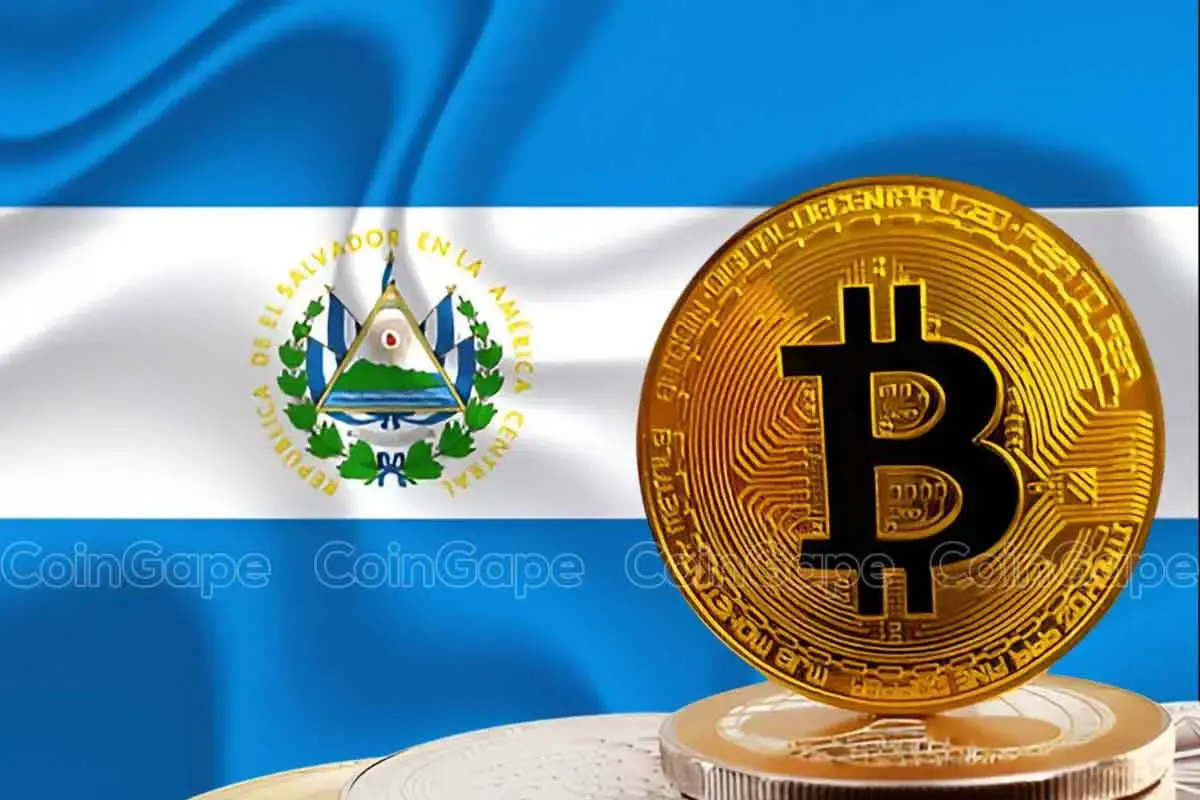
Recent announcements from the International Monetary Fund (IMF) reveal that El Salvador is adhering to loan conditions as it pauses public sector Bitcoin purchases. This shift is crucial for the Central American nation, as it navigates its controversial stance on cryptocurrencies while fulfilling obligations tied to a $1.4 billion loan agreement. The key stipulation outlined by the IMF involves halting Bitcoin acquisitions using public funds, a demand the Salvadoran government is currently complying with, despite President Nayib Bukele’s initial resistance. This article explores the implications of these developments for El Salvador’s Bitcoin policy and its broader economic landscape.
Compliance with Loan Conditions
During a recent press briefing, Rodrigo Valdes, the IMF’s Director for the Western Hemisphere, elaborated on El Salvador’s compliance with its loan agreements. He confirmed that the government is now refraining from accumulating Bitcoin through the public sector, effectively addressing concerns about potential violations of loan terms. Valdes emphasized that El Salvador remains committed to its fiscal responsibilities and is making strides in transparency and structural reforms. This compliance is essential as the country continues to stabilize its economy amidst ongoing global financial challenges.
The President’s Bitcoin Acquisitions
While El Salvador’s public sector has paused Bitcoin purchases, President Nayib Bukele has opted to continue daily BTC acquisitions through unspecified alternative sources. Current reports suggest that the nation is managing to buy one Bitcoin per day, despite the IMF’s restrictions on public sector involvement. The National Bitcoin Office, responsible for these purchases, has not revealed the exact funding mechanisms driving this initiative, leading to speculation that private or non-public sector entities may be behind the ongoing accumulation of Bitcoin. This strategic maneuver highlights President Bukele’s commitment to cryptocurrency as a financial tool.
Speculation Around Funding Sources
The ambiguity surrounding El Salvador’s Bitcoin funding sources has fueled discussions regarding its economic strategy. Experts believe that the government might be leveraging profits from its Strategic Bitcoin Reserve to facilitate daily purchases. With Bitcoin prices fluctuating, acquiring valuable assets at an average cost of around $44,000 could significantly enhance the nation’s financial position. As countries like Japan consider adopting similar Bitcoin reserves, El Salvador’s approach could serve as a model for others, emphasizing the potential benefits of cryptocurrency investment for national economies.
Future Implications for Bitcoin Value
With Bitcoin’s valuation nearing $100,000, the potential upside for El Salvador is monumental. The government’s current holdings of 6,158 BTC could be worth approximately $583 million if Bitcoin continues on an upward trajectory. Furthermore, research findings from investment firm Ark Invest suggest that Bitcoin’s price could soar to $1.5 million by 2030. This forecast not only underscores the speculative nature of cryptocurrency investments but also positions El Salvador’s strategic reserve as a potentially game-changing asset for economic growth and financial independence.
The Drive for Economic Reform
President Bukele’s overarching vision extends beyond mere Bitcoin accumulation. His administration aims to promote financial inclusivity and diminish reliance on the US dollar. By positioning Bitcoin as a central element of its economic strategy, El Salvador is carving out a unique path in the global financial system. Furthermore, the integration of blockchain technology and cryptocurrency into government policies signifies a forward-thinking approach to economic reform. The success or failure of this initiative could influence how other nations perceive and adopt cryptocurrencies in their financial systems.
Conclusion: A Pivotal Moment for El Salvador
El Salvador’s ongoing compliance with IMF conditions, coupled with President Bukele’s steadfast commitment to Bitcoin accumulation, marks a crucial moment in the country’s economic evolution. The divergence between public sector limitations and personal acquisitions reflects a complex landscape in which regulatory demands intersect with innovative financial strategies. As the nation continues to navigate these waters, its experience could serve as a valuable case study for other countries looking to integrate cryptocurrency into their economies, potentially reshaping the global financial landscape for years to come.
In essence, El Salvador stands at a crossroads, balancing compliance with ambition as it seeks to harness the power of Bitcoin in a rapidly changing world.