



The European Union Halts U.S. Trade Deal Amid Trump Tariffs Threat
In a significant development, the European Union (E.U.) has announced the suspension of its trade deal with the United States, a move spurred by U.S. President Donald Trump’s recent threats to impose tariffs on several European nations. The tensions stem from the U.S. plans to acquire Greenland and the resistance from eight European countries that support this initiative. This article explores the implications of these tariffs, the political climate surrounding the trade deal, and the broader economic repercussions.
E.U. Response to U.S. Tariff Threats
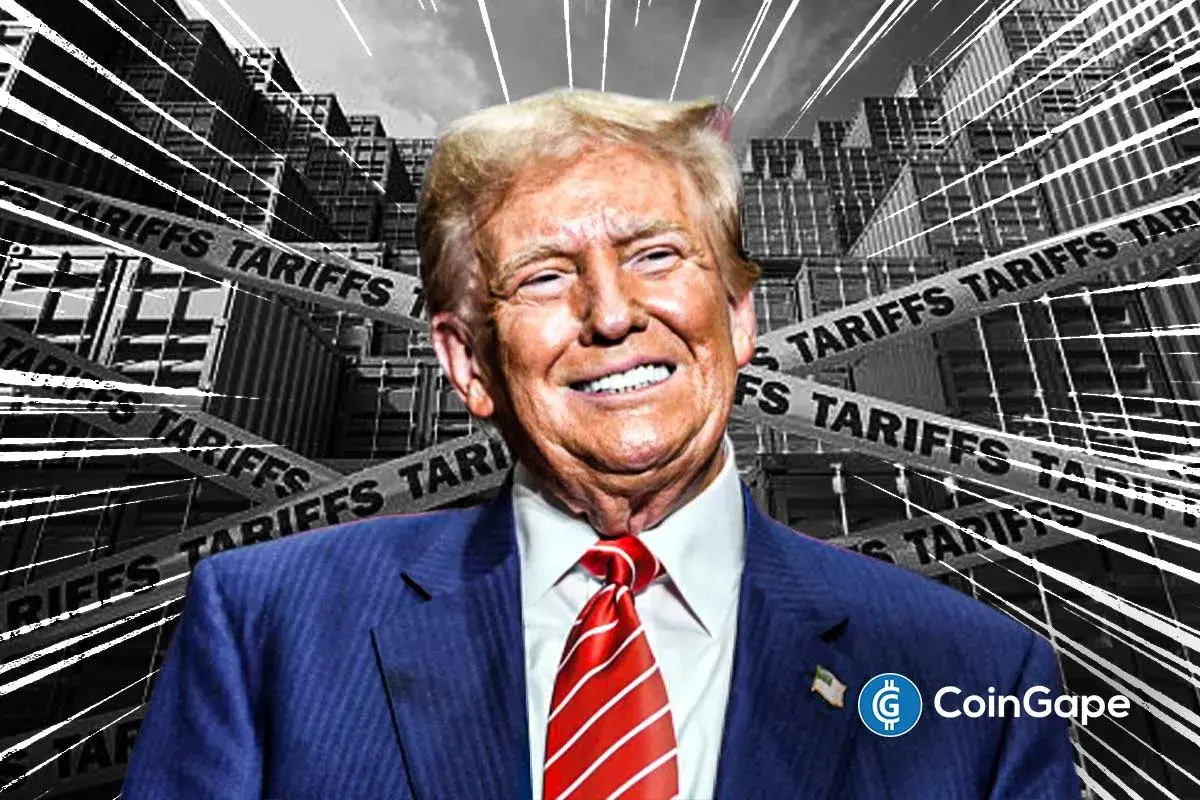
During a press conference, European Parliament member and chair of the International Trade Committee, Bernd Lange, confirmed the suspension of the E.U.-U.S. trade deal. This decision reflects the E.U.’s dissatisfaction with Trump’s tariff threats, which are viewed as a severe violation of trade agreements. Lange emphasized that the imposition of proposed tariffs contravenes the principles that underpin the trade relationship between Europe and the U.S. As reported by CoinGape, the U.S. plans to enact 10% tariffs on key European nations—including France, Sweden, Denmark, Norway, Finland, the Netherlands, the U.K., and Germany—beginning February 1. If an agreement regarding Greenland is not reached by June 1, these tariffs could escalate to 25%.
Trump’s Position on Greenland
The E.U.’s decision to halt the trade deal comes after Trump made no mention of the tariffs during his recent speech at the World Economic Forum in Davos. Instead, he reiterated his administration’s commitment to acquiring Greenland, seeking to bolster U.S. influence in the Arctic. Lange noted that Trump’s unwavering stance on Greenland, combined with his lack of engagement on tariff issues, prompted the E.U. to reconsider its trade negotiations. The desire for a swift acquisition seems rooted in U.S. strategic interests, with Trump asserting that owning Greenland would enhance global security and readiness to defend the territory against potential threats.
Diplomatic Negotiations and Their Challenges
Despite the heightened tensions, Trump’s speech suggested a willingness to enter negotiations over the U.S. acquisition of Greenland, which he characterized as vital for maintaining world peace. However, the threat of tariffs looms large over these discussions, potentially coercing European nations into hasty agreements. The political atmosphere is fraught, making effective negotiations challenging. E.U. leaders are likely to approach talks with caution, balancing their economic interests against Trump’s aggressive trade strategies. As Lange remarked, the future of trade between the E.U. and the U.S. now hinges on clarifying these Greenland-related threats.
Economic Impact on Cryptocurrency and Beyond
The uncertainty surrounding the U.S.-E.U. trade relationship has also affected cryptocurrency markets, notably Bitcoin. Following Trump’s Davos address, Bitcoin’s value surged above $90,000 but subsequently fell below this threshold due to the trade deal suspension. The dynamics in traditional and crypto markets reflect broader economic sentiments as stakeholders react to geopolitical developments. Traders are showing skepticism about the U.S. successfully acquiring Greenland this year, with Polymarket data indicating just a 21% chance of such an outcome occurring before 2027.
Future of the E.U.-U.S. Trade Deal
The suspension of the E.U.-U.S. trade deal raises questions about the future of transatlantic relations. Trade agreements play a crucial role in economic stability and growth, and uncertainty can breed volatility in markets. Both sides face pressure to resolve their differences swiftly to avoid further economic fallout. E.U. leaders are keen to preserve their interests while addressing the complex political landscape shaped by the U.S. administration’s decisions. Future trade negotiations will have to reconcile these concerns, ensuring that any agreement reflects mutual respect and cooperation.
Conclusion
The suspension of the E.U.-U.S. trade deal over Trump’s tariff threats signifies a critical juncture in international relations and trade. As both parties navigate this complex geopolitical terrain, the stakes are high—not just for economic outcomes but for global diplomatic relations. The commitment to negotiate over Greenland suggests a potential path forward, but clarity and cooperation remain essential for fostering a stable trade environment. The coming weeks will be crucial in determining how these dynamics evolve and what they mean for the global economy at large.