


US-Iran Ceasefire Confidence Diminishes Amid Ongoing Conflict: Crypto Market Insights
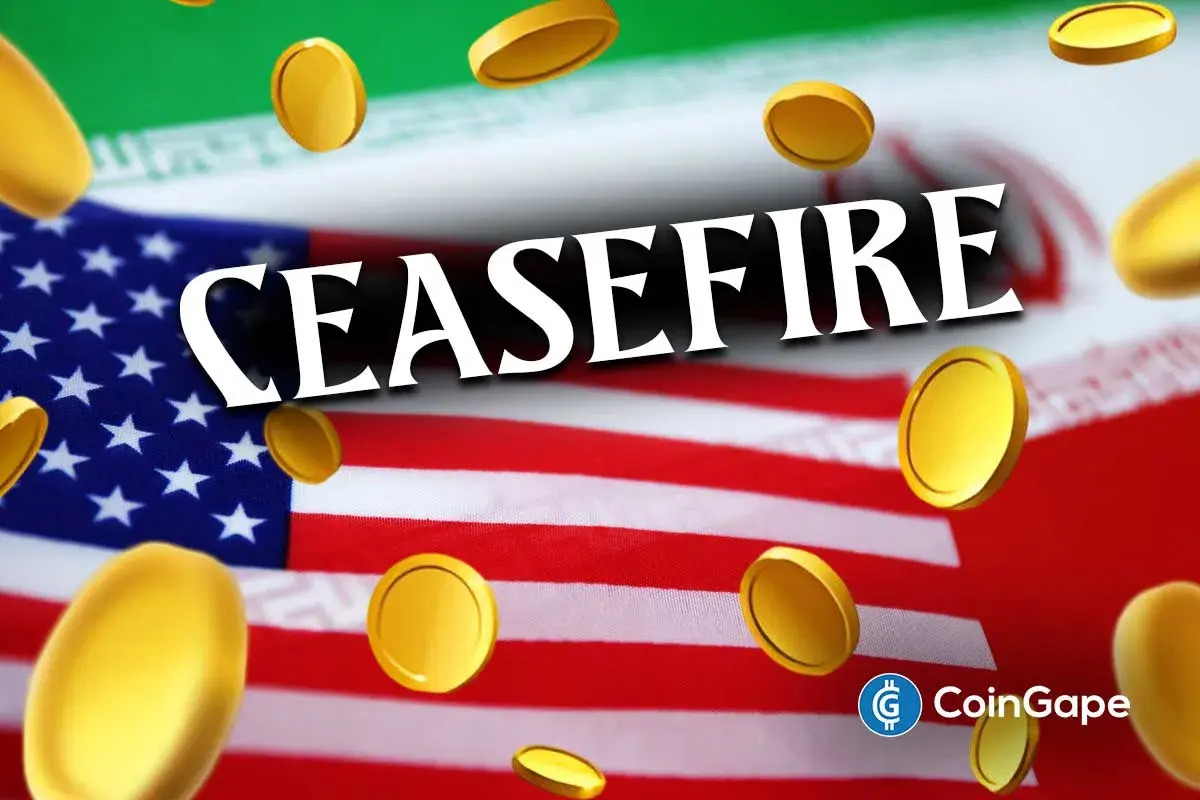
Confidence in achieving a ceasefire between the United States and Iran has noticeably diminished within crypto prediction markets this month. As the conflict escalates, traders adapt their expectations, revealing a sentiment that a near-term diplomatic resolution is far from certain. Reports suggest that despite speculation about peace outreach from Iran to the US, these claims are firmly denied by Iranian authorities, adding another layer of complexity to the situation.
Market Trends: The Declining Odds of a Ceasefire
Data from Polymarket indicates a significant decrease in the likelihood of a US-Iran ceasefire before March 31. Current trading contracts show only a 29% chance of such a development occurring by the month’s end. This stark contrast from earlier predictions, which saw a potential ceasefire probability soar above 60% following recent US and Israeli military strikes against Iran, emphasizes the evolving sentiment in the trading landscape. Market participants have reacted to President Trump’s confirmation of further airstrikes and extended military action, leading to decreased optimism regarding an imminent cessation of hostilities.
Shifting Projections: A Longer-Term Outlook
While short-term expectations wane, long-term forecasts paint a more optimistic picture. Contracts indicate a 48% chance of achieving a US-Iran ceasefire by the end of April, rising to over 65% by May. This divergence in predictions suggests that traders are still holding onto some hope for a diplomatic resolution in the longer term. Interestingly, the trading volume on US-Iran ceasefire contracts has reached more than $12 million, highlighting the level of investor engagement and interest in the geopolitical situation’s potential resolution.
Political Scrutiny of Prediction Markets
The inception of war prediction markets has attracted criticism from several US lawmakers, particularly among Democrats who argue the platforms could lead to unethical gains for insiders privy to sensitive information. The scrutiny intensified when Polymarket recently retracted contracts related to a potential nuclear bomb detonation, emphasizing the potential ramifications of political events on financial markets. Such actions have ignited debates about the appropriateness of trading on geopolitical crises and the ethical implications involved.
Iran’s Stance and Escalating International Costs
Amid all these developments, Iran has dismissed claims of any diplomatic outreach to the United States. Reports alleging that Iranian operatives engaged indirectly with the CIA to negotiate terms for ending the conflict have been met with skepticism, as Iranian officials term them "pure falsehood and psychological warfare." Concurrently, the war’s financial toll looms large, with the Pentagon reporting costs of approximately $1 billion daily for the US. This burden compounds the existing national debt concerns, amplifying questions about the sustainability of military engagements.
Impact on Cryptocurrency Markets and Economic Analysis
As the conflict continues, the cryptocurrency market remains a focal point of analysis. A recent JPMorgan report highlighted Bitcoin’s rising price to $74,000, indicating that it still faces potential declines. Drawing parallels with the Ukraine conflict, the bank noted how markets often react during geopolitical crises, with both stocks and Bitcoin maintaining stable momentum initially before experiencing sell-offs as the realities of prolonged conflict set in. This reflection on market behavior suggests that traders may be learning from historical patterns, impacting their current crypto investments amid the turbulence.
In conclusion, while near-term optimism for a US-Iran ceasefire wanes, long-term projections hint at a cautious sense of hope among market participants. Political and financial complexities surrounding the conflict continue to shape perceptions, influencing not only ceasefire predictions but also the broader economic landscape, including cryptocurrency markets. As the situation unfolds, stakeholders remain vigilant, monitoring developments that could affect both geopolitical relations and financial markets across the board.