



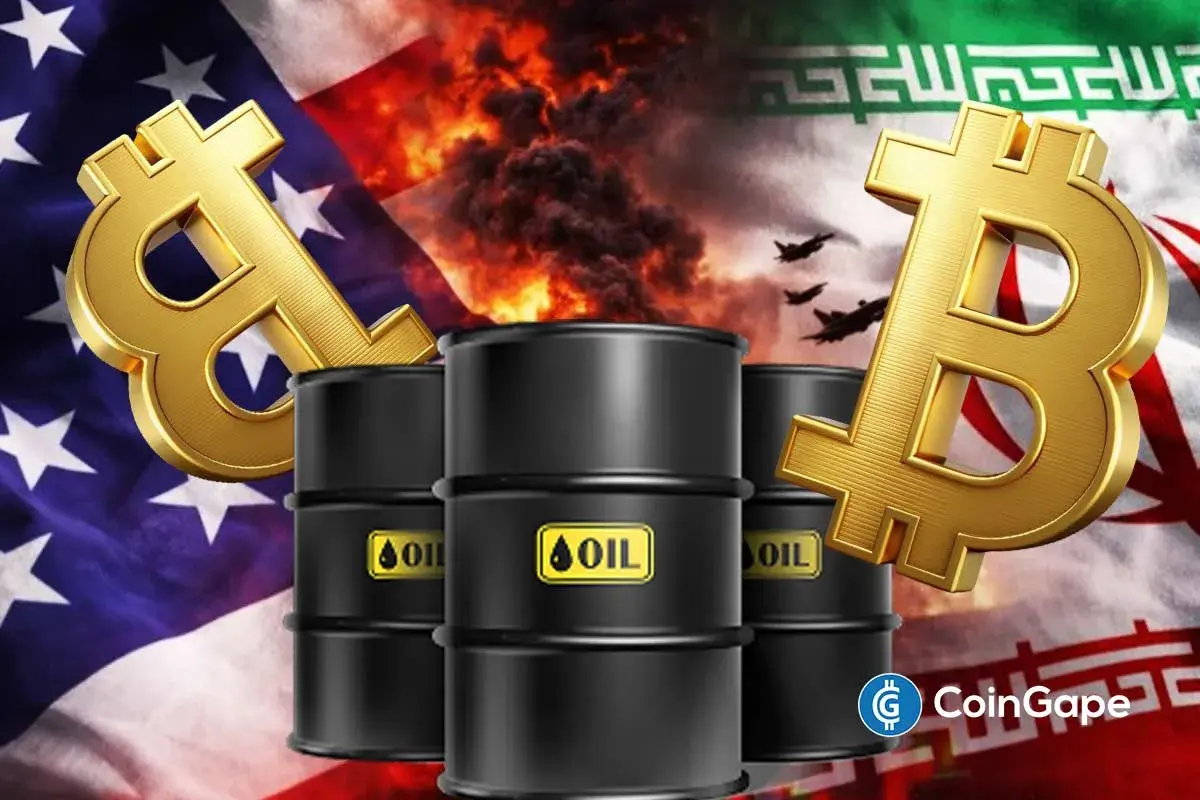
Crypto Traders Bet on Surging Oil Prices: Implications for Bitcoin and the Market
As geopolitical tensions escalate, crypto traders are increasingly focusing on the surge in oil prices, with predictions that it could exceed $100 per barrel. The ongoing conflict between the U.S. and Iran has led to heightened market speculation, fundamentally affecting both the oil and crypto sectors. As oil prices hit multi-year highs, Bitcoin and the broader crypto market have seen significant declines. Understanding the intricacies of these dynamics is crucial for traders aiming to capitalize on these shifts.
Rising Oil Prices: Market Predictions
Recent data from Polymarket now suggests a 61% likelihood that crude oil could reach $105 by the end of March. This surge aligns with expectations that oil could rise to the $100 mark within the month, registering a 71% chance. As of now, Brent crude and U.S. crude oil prices have jumped above $90, also marking their highest levels in years. The warnings from Qatar about potential disruptions in Gulf oil production heighten these concerns, projecting price hikes that could send oil prices soaring as high as $150 in just weeks. These developments are critical for understanding the relationship between energy markets and crypto investments.
Impact on Bitcoin and Crypto Markets
The rise in oil prices has had a noticeable impact on Bitcoin, which recently fell below the $70,000 threshold, trading around $68,200—down nearly 4% in a single day. This decline indicates a significant market reaction as Bitcoin erased almost all gains made earlier in the week when it spiked to $74,000. The downward pressure on cryptocurrencies is causing traders to reevaluate their positions amid rising oil prices. The interconnectedness of these markets highlights the importance of energy prices in shaping crypto valuations.
Inflation Fears and Federal Reserve Responses
The spike in oil prices has reignited fears about inflation, exacerbated by the possibility of a prolonged U.S.-Iran conflict. Rising inflation could compel the Federal Reserve to either maintain its current interest rates or even implement rate hikes, presenting a bearish outlook for Bitcoin and the wider cryptocurrency market. As reported, former President Trump has rejected any potential deals with Iran, emphasizing a hardline approach that complicates the geopolitical landscape. The markets are pricing in a 27% chance of a ceasefire in the U.S.-Iran conflict by March 31, an indication that the turbulence could persist.
Fed Insights: Short-term Shock or Long-term Trends?
In a recent Bloomberg interview, Fed Governor Chris Waller downplayed the likelihood of sustained inflation due to rising oil prices, arguing that any price spike would likely be temporary. He suggested that such shocks would have minimal long-term effects on monetary policy. Former Treasury Secretary Janet Yellen, however, issued warnings that ongoing conflicts and escalating oil prices could keep the Fed cautious about cutting rates. Analyzing the Fed’s position will provide crucial insights for crypto investors trying to navigate this complex economic landscape.
Recent Labor Market Trends
Adding layers to this story, the U.S. jobs report released today revealed that the labor market is weakening, with the country losing 92,000 jobs in February, pushing the unemployment rate up to 4.4%. This data influences Federal Reserve decisions regarding rate hikes and cuts. Fed President Beth Hammack acknowledged the complexities of inflation but suggested that cutting rates might be premature due to high inflation still lingering in the economy. The dual risks of employment and inflation create uncertainty for traders, making it essential to closely monitor these indicators.
Conclusion: Strategic Thinking for Traders
As oil prices rise and geopolitical tensions linger, crypto traders need to adopt a strategic approach to their investments. The current market dynamics—characterized by soaring oil prices and fluctuating Bitcoin valuations—make it imperative for traders to remain informed. While the Fed appears to be cautious about immediate rate changes, the long-term implications of rising oil prices and geopolitical tensions will likely continue to influence market sentiment. Understanding these correlations enables traders to make more informed decisions that can mitigate risk and potentially capitalize on future market shifts.