



Geopolitical Tensions and Their Impact on the Crypto Market: A Deep Dive
The crypto market is currently experiencing turbulence, driven largely by rising geopolitical tensions between the United States and Iran. Recent warnings from the US government urging its citizens to leave Iran immediately have sent shockwaves through the financial markets, including cryptocurrencies. As tensions escalate, investors are shifting their strategies, leading to a significant downturn in crypto prices. In this article, we will explore the implications of these geopolitical developments on the crypto market and the indicators that suggest a bearish trend.
US-Iran Tensions Create Uncertainty
On Friday, the US Virtual Embassy in Iran issued a stern warning for American citizens, stating, "Leave Iran now." This alert comes amid increasing security concerns, and the advisory recommended that individuals plan their exit without relying on US government assistance. The potential for flight cancellations and disruptions has heightened fears among investors. This careful approach, combined with ongoing instability in the region, has created a climate of uncertainty that is adversely affecting the crypto market.
As the United States prepares for potential military actions, reminiscent of past scenarios where geopolitical strife impacted financial markets, traders are reacting by reassessing their portfolios. The fear-induced selloff has particularly impacted risk-sensitive assets such as Bitcoin and other cryptocurrencies. Historical trends reveal that previous threats from US political leaders have led to steep declines in crypto prices, further amplifying current fears.
A Historical Context of Market Reaction
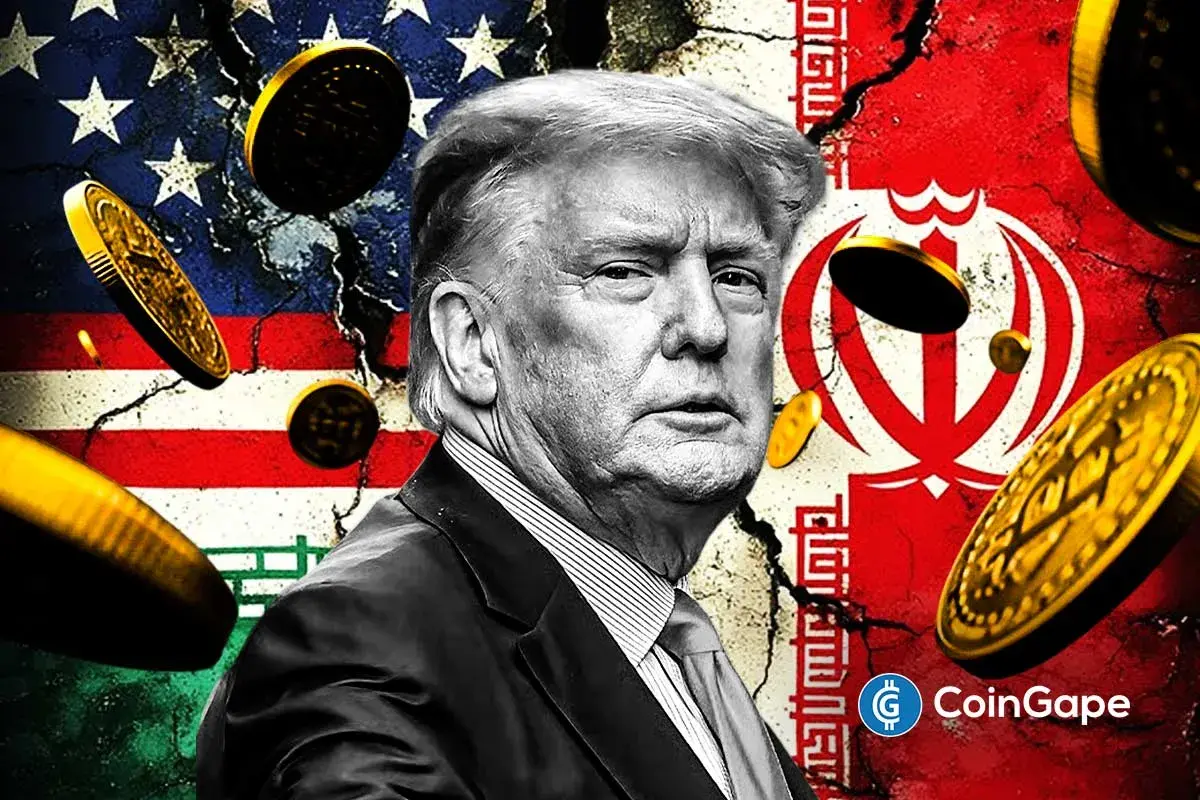
The history of crypto market reactions to geopolitical events offers pertinent insights into current trends. When former President Donald Trump issued threats against Iran, the BTC price experienced one of its most significant downturns, dropping below $90,000. Such dramatic fluctuations paint a picture of a crypto market that is highly sensitive to global tensions. As BTC and other cryptocurrencies tumble in value, investors are forced to re-evaluate their risk exposure, leading to a liquidity crisis in certain segments of the crypto space.
This cyclical behavior is not unique to Iran, as many global incidents have affected crypto valuations in the past. Investors tend to react impulsively to news, causing pronounced volatility. The conflict between investor sentiment and external factors creates a perfect storm for price drops, which we are currently witnessing.
The Current State of the Cryptocurrency Market
As geopolitical tensions continue to build, the cryptocurrency market is feeling the effects acutely. The total market capitalization has plummeted to approximately $2.28 trillion, reflecting a 5.2% drop—the lowest level observed since late 2024. Bitcoin, the flagship cryptocurrency, has seen its price fall to about $66,656, representing a 6% decline in just one day. Over the past week, BTC has depreciated by 20% and by 28% over the last month, indicating a troubling downward spiral.
Other leading cryptocurrencies aren’t faring much better; Ethereum (ETH) and XRP have experienced declines of 5.5% and 7.2%, respectively. Many of these cryptocurrencies are now trading at multi-month lows. This significant loss in value indicates that investor confidence is eroding, and there is growing apprehension regarding the potential for further declines.
Market Dynamics and Risk Management
Given the current market landscape, risk management is becoming increasingly paramount for cryptocurrency investors. Many are roping in safer, more stable investment options as fear drives market sentiment. This behavior is indicative of a broader trend where investors are seeking to mitigate risks amid uncertainty.
Asset diversification is one of the strategies being employed by savvy investors to navigate the choppy waters of the crypto domain. While cryptocurrencies have long been touted for their potential for high returns, the recent downturn serves as a reminder that they also carry significant risks—particularly during geopolitical incidents. Investors should be cognizant of these external risks and be prepared for an extended period of volatility as tensions evolve.
Potential Futures and Investor Outlook
As the US and Iran prepare for scheduled talks in Oman, uncertainties loom large. With no clear agenda in sight, market watchers are left speculating about the outcomes and their implications for the crypto realm. This lack of clarity contributes to the prevailing negative sentiment surrounding cryptocurrencies, making it even more challenging for investors to feel confident about future price movements.
The discussions will reportedly include US Special Envoy Steve Witkoff and Jared Kushner, while Iran’s Foreign Minister Abbas Araghchi will also lead the talks. However, the gap in actionable solutions makes it difficult to ascertain how this meeting could stabilize or further destabilize the markets.
Conclusion: Navigating Through Uncertain Times
In summary, the ongoing geopolitical tensions between the US and Iran are having a discernible impact on the crypto market, leading to significant sell-offs and declining prices. As investors grapple with uncertainty, understanding market dynamics and risk management strategies is crucial for navigating this tumultuous environment.
While the current downturn in crypto prices is undoubtedly alarming, it serves as an important reminder of the broader complexities involved in cryptocurrency investment. Staying informed and adaptable in these ever-changing circumstances will be essential for investors as the geopolitical landscape evolves. As we continue to monitor the situation, it becomes increasingly important for stakeholders to remain vigilant and strategic in their investment choices.