




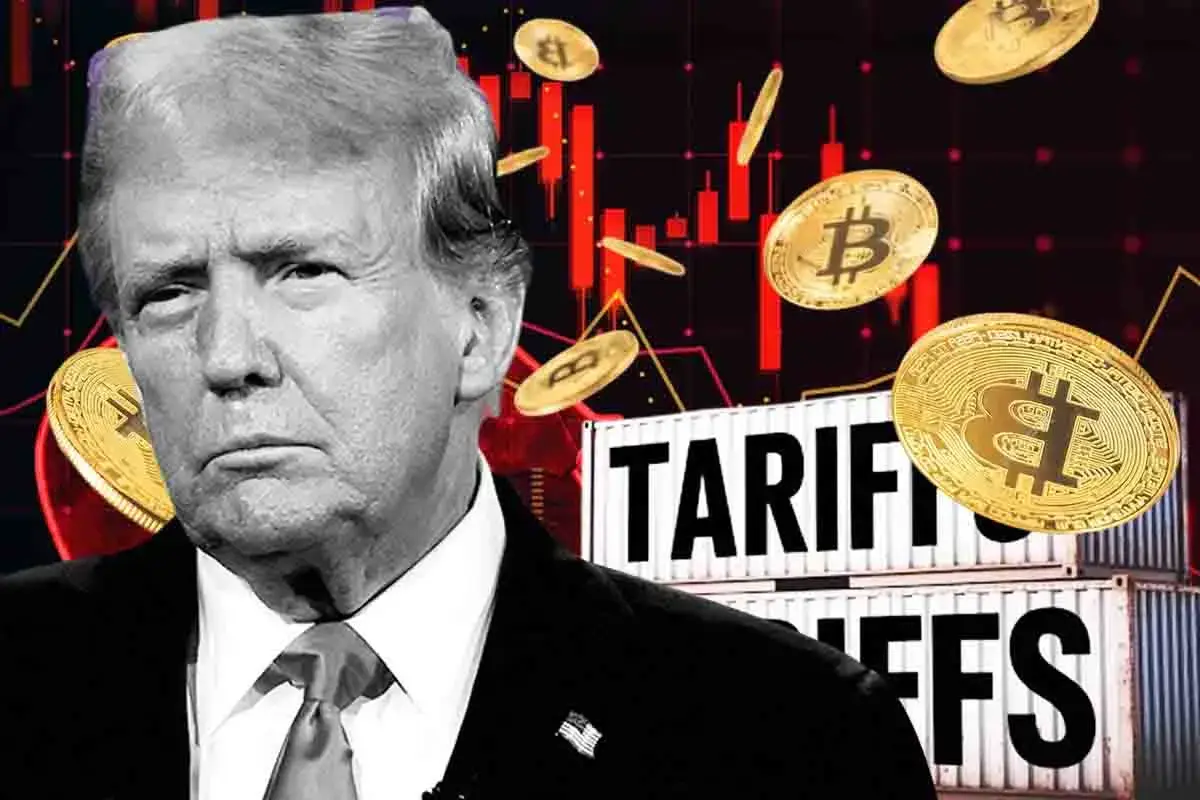
The Impact of U.S. Tariffs on Cryptocurrency: A Closer Look at Recent Market Trends
The cryptocurrency market has faced considerable upheaval following the recent announcement of new tariffs by President Trump targeting major European Union (EU) countries. This decision has intensified existing trade tensions between the U.S. and the EU, leading to a significant crash in the cryptocurrency market. The implications of these developments have reverberated throughout the economic landscape, triggering widespread market liquidations.
Market Reaction to Tariff Announcements
In the early trading hours on a recent Monday, Bitcoin saw a drastic plunge in value, falling from approximately $95,000 to as low as $91,000. This sharp decline erased gains that had accumulated in recent weeks, where Bitcoin briefly peaked at $97,000. The total cryptocurrency market capitalization suffered an immediate drop, declining by 3%, a trend that would ultimately see the market lose over $110 billion in value since the previous Thursday. This turmoil coincided with U.S. stock markets being closed for a public holiday, adding to the volatility within the digital currency sphere.
Broader Impact on Altcoins
The fallout from Bitcoin’s decline was felt across the broader cryptocurrency market, as altcoins mirrored its downward trajectory. As Bitcoin leads the market’s movement, its volatile behavior often dictates the performance of alternative cryptocurrencies. Consequently, many investors were forced to reassess their positions, leading to liquidations exceeding $850 million within a very short timeframe. The uncertainty surrounding trade relations, combined with the abrupt tariffs, has driven even the most optimistic investors to question the robustness of the crypto market.
EU’s Response to U.S. Tariffs
In reaction to these rising tensions, the European Union has indicated plans to implement strong measures against the Trump administration’s tariffs. Reports suggest that EU ambassadors reached a consensus to take a united stance against the tariffs imposed by the U.S. government. An emergency summit in Brussels was convened to plan potential retaliatory actions, which include a substantial package of tariffs on U.S. imports estimated at around €93 billion (approximately $107.7 billion). The EU’s commitment to this course of action could signal escalating tensions in transatlantic relations.
The Risk of Escalating Trade Conflicts
As trade negotiations intensify, the threat of a trade war looms large. There are also discussions around implementing an “Anti-Coercion Instrument (ACI)” that could further complicate U.S. access to EU banking services and trade mechanisms. Historical contexts highlight that previous geopolitical events, such as the U.S. capturing Venezuelan President Nicolás Maduro, had initially stirred fears in the crypto market but did not result in the anticipated market crash. However, the current tariff situation poses distinct challenges that cannot be overlooked, especially with military personnel reportedly being sent to Greenland in response to U.S. interference.
Legal and Economic Implications
Amidst this turmoil, the legality of Trump’s tariffs is under scrutiny, with the U.S. government awaiting a decision from the Supreme Court. The outcome of this judicial review could have far-reaching effects not just on trade relations but also on investor sentiment within the cryptocurrency sphere. Uncertainty can lead to increased volatility, making it difficult for investors to gauge which assets to hold or liquidate in response to changing market conditions.
Future Outlook for Cryptocurrencies
Looking ahead, the cryptocurrency market must navigate a complex landscape shaped by geopolitical tensions and economic policies. The ongoing trade disputes between the U.S. and EU will likely continue to influence investor sentiment, creating a climate of uncertainty that could lead to further market fluctuations. As both regions prepare for potential retaliatory actions, the global cryptocurrency market will need to remain agile, adapting to changes and seizing opportunities as they arise. The stakes are high, and how these geopolitical events unfold will ultimately shape the landscape of the cryptocurrency market in the months to come.
The current scenario serves as a reminder of the intricate interdependencies in our global economy and highlights how political decisions can lead to immediate ramifications in financial markets. Investors are urged to stay informed and be prepared for further developments in trade relations that could have ripple effects throughout the world of cryptocurrency.