



The Potential Impacts of a U.S.–Iran War on the Crypto Market and Global Economy
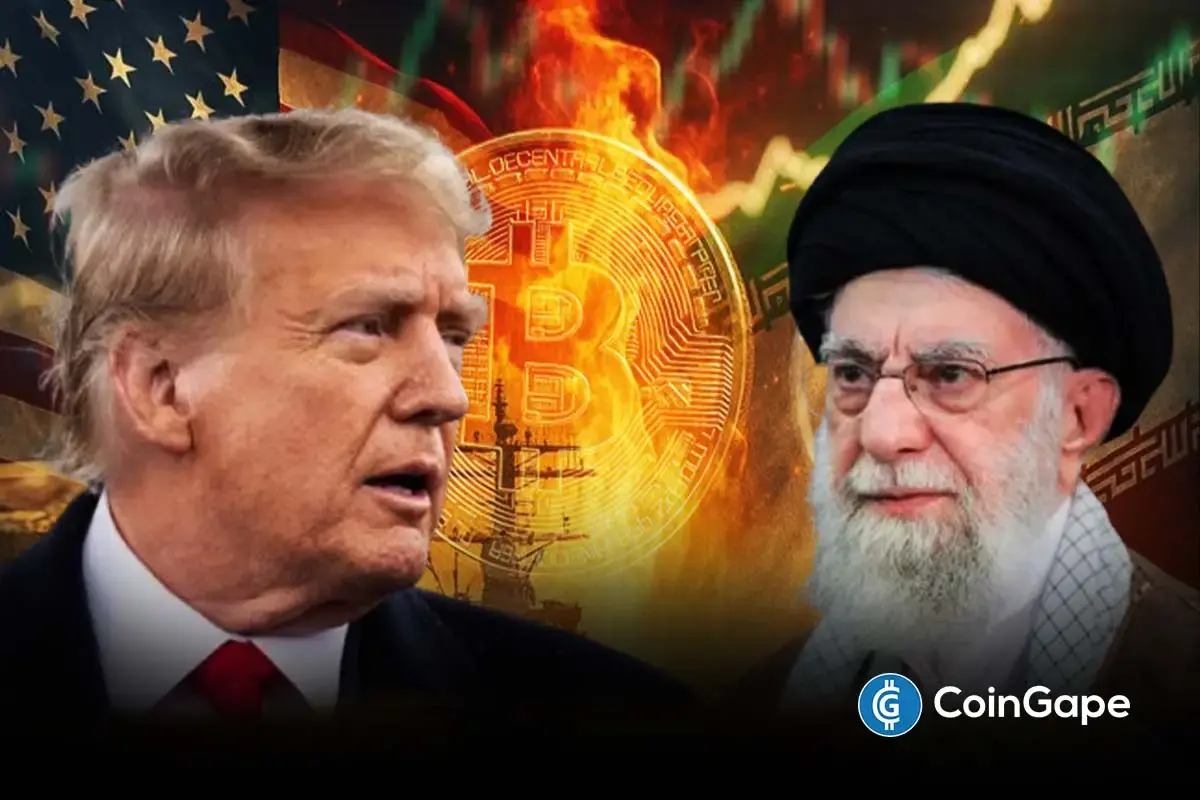
The escalating tensions between the U.S. and Iran, particularly the potential for military conflict, could have significant repercussions for global markets, including the cryptocurrency sector. Central to this is the Strait of Hormuz, a critical chokepoint through which approximately 20% of the world’s oil supply flows. Analyst Ted Pillows has indicated that if Iran attempts to close this vital transit route, it would lead to an immediate liquidity event that would cause energy prices to soar, thereby impacting inflation and delaying anticipated rate cuts. With rising oil prices historically correlating with inflationary pressures, the ramifications could extend well into the cryptocurrency market, which has already demonstrated vulnerability during periods of geopolitical uncertainty.
Oil Prices, Inflation, and Market Volatility
As tensions have escalated, oil prices have already jumped significantly, reaching levels as high as $72 per barrel. This is the highest price since July 2025, coinciding with previous military actions in the region. According to Pillows, a sustained rise in oil prices would likely lead to an “inflation shock,” exerting liquidity constraints on central banks and creating downward pressure on risk assets. Cryptocurrencies, which often serve as risk-on assets, could see further price declines as market participants reassess their positions in light of heightened volatility and economic uncertainty. Pillows contends that while traditional markets may initially experience a repricing of equities, high-risk assets such as cryptocurrencies would feel the pinch first, potentially leading to steep losses.
Market Behavior in Times of Crisis
Despite the adverse conditions presented by rising oil prices and looming inflation, Pillows warns against projecting an instant market collapse. Instead, he predicts that market volatility will increase, potentially taking months for recession risks to materialize fully. Such a situation may prompt forced adjustments in investor positioning, leading to further fluctuations in both equity and crypto markets. Importantly, while immediate price corrections may occur, the broader implications for cryptocurrencies might be less straightforward, especially considering how market dynamics evolve in response to ongoing geopolitical events.
Expert Opinions: Can Iran Actually Close the Strait of Hormuz?
Challenging the prevailing narrative, economist Daniel Lacalle argues that Iran has historically been incapable of effectively closing the Strait of Hormuz. He asserts that nearly 80% of the traffic through the strait is destined for China, Iran’s largest trading partner. Thus, any move to hinder operations would be detrimental to Iran itself. Lacalle estimates that Iran currently produces about 3.3 million barrels of oil daily but only exports 1.5 million, mostly to China. If production were disrupted, he believes that other OPEC nations could compensate quickly, potentially stabilizing oil prices and mitigating the anticipated inflationary impact.
Existing U.S. Economic Conditions
Inflation remains a pressing concern in the U.S., with recent data indicating trends nearing the Fed’s target of 2%. With inflation hovering around 3%, a potential conflict with Iran could exacerbate these issues and push inflation beyond the 3% threshold. This economic landscape is compounded by concerns voiced by notable economists like Peter Schiff, who points to the declining state of the U.S. economy and labor market, suggesting that existing issues may intensify due to warfare in the Middle East. Schiff opines that such a situation may be leveraged politically, allowing blame for economic hardship to be shifted toward the conflict.
Conclusion: A Crucial Moment for Crypto and Global Markets
In summary, the interplay between geopolitical tensions, oil prices, and market conditions paints a complex picture for both traditional financial markets and the cryptocurrency sector. While analysts stress that an immediate collapse of crypto prices may not be inevitable, the increasing volatility could compel investors to rethink their risk exposure. As the global situation evolves, the interconnected nature of oil, inflation, and crypto underscores the importance of closely monitoring geopolitical developments. Investors should remain vigilant as the likelihood of heightened uncertainty looms, influencing economic trends and potentially reshaping the cryptocurrency landscape for the foreseeable future.