



Crypto Market Sees Retracement Amid Iran-U.S. Negotiation Claims
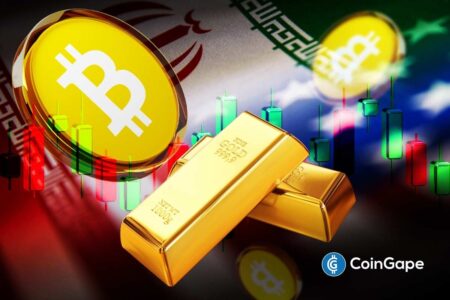
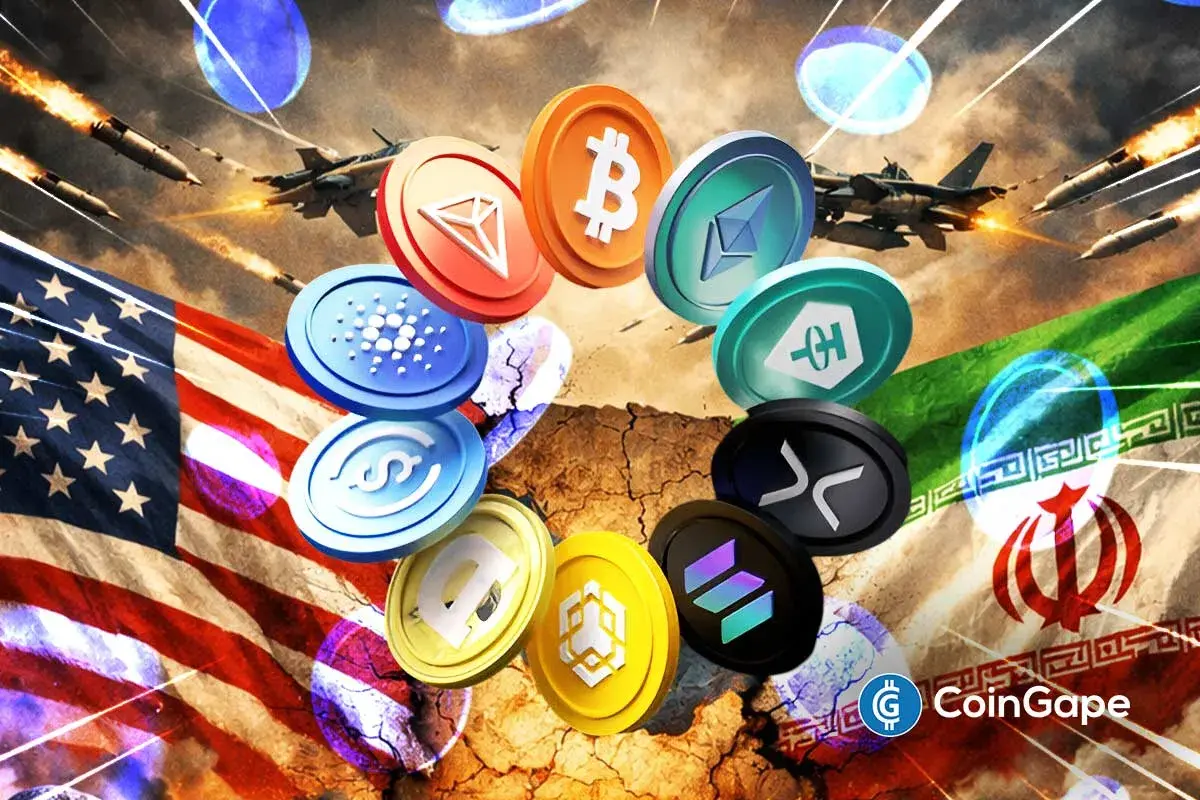
The cryptocurrency market experienced a pullback from earlier gains as uncertainty loomed over potential negotiations between Iran and the U.S. The Iranian parliament speaker, Mohammad-Bagher Ghalibaf, unequivocally denied claims of ongoing talks with the United States, igniting fears among investors. As a result, Bitcoin, which had briefly surged above $70,000, faces the risk of further decline as geopolitical tensions add to market volatility.
Impact of Ghalibaf’s Denial on Crypto
According to recent TradingView data, the total cryptocurrency market cap has dipped below $2.4 trillion, retreating from an intraday peak of roughly $2.42 trillion. The downward trend coincided with Ghalibaf’s statement, where he dismissed assertions of U.S.-Iran negotiations as “fake news,” alleging that such claims serve U.S. interests in manipulating both financial and oil markets. This statement not only impacted the price of Bitcoin but also reverberated throughout the broader crypto landscape, further complicating investor sentiment.
Market Reactions to Contradictory Claims
Earlier in the day, the crypto market had rallied following remarks from former President Donald Trump regarding U.S.-Iran discussions aimed at de-escalating the ongoing conflict. Trump suggested that negotiations were in progress during an event in Memphis, thereby providing a temporary boost to asset prices. However, Ghalibaf’s swift rebuttal has shifted the mood, leading to apprehension among traders awaiting more definitive developments in the situation.
The Broader Context of Negotiations
Market observers are weighing the likelihood of real negotiations despite Ghalibaf’s denial. The Kobeissi Letter, an influential market commentary platform, indicated that history has seen similar situations unfold before, particularly with the U.S.-China trade agreement. In that instance, initial denials gave way to successful negotiations, resulting in significant financial market reactions. Should a resolution occur between the U.S. and Iran, it could potentially reignite investor confidence and catalyze notable gains in the crypto market.
Iran’s Strategic Positioning in Peace Talks
The situation is further complicated by Iran’s strategic focus on leveraging its position within capital and energy markets to extract concessions from the U.S. As noted, Iranian officials aim to maintain pressure on the U.S. without allowing market stabilization until a more favorable deal is secured. This approach adds another layer of volatility to the market, keeping investors on edge as they anticipate evolving geopolitical dynamics.
Looking Ahead: Market Volatility and Investor Sentiment
While there remains a possibility of peace talks facilitating a resolution, uncertainty will likely dominate the crypto market in the interim. The Kobeissi Letter emphasized the importance of a clear agreement, asserting that until such a deal is reached, volatility will remain a defining characteristic of the market. The historical context suggests that, regardless of how negotiations play out, any resolution might eventually restore some stability and investor confidence, allowing room for price recovery in the crypto sector.
In summary, as the crypto market tries to navigate between bullish and bearish signals, the implications of these geopolitical events on Bitcoin and other cryptocurrencies remain profound. The dynamic nature of negotiations, coupled with market sensitivity to political statements, has created an environment ripe for both risks and opportunities for astute investors.