



The CLARITY Act: Navigating the Tension between Crypto Firms and Banks
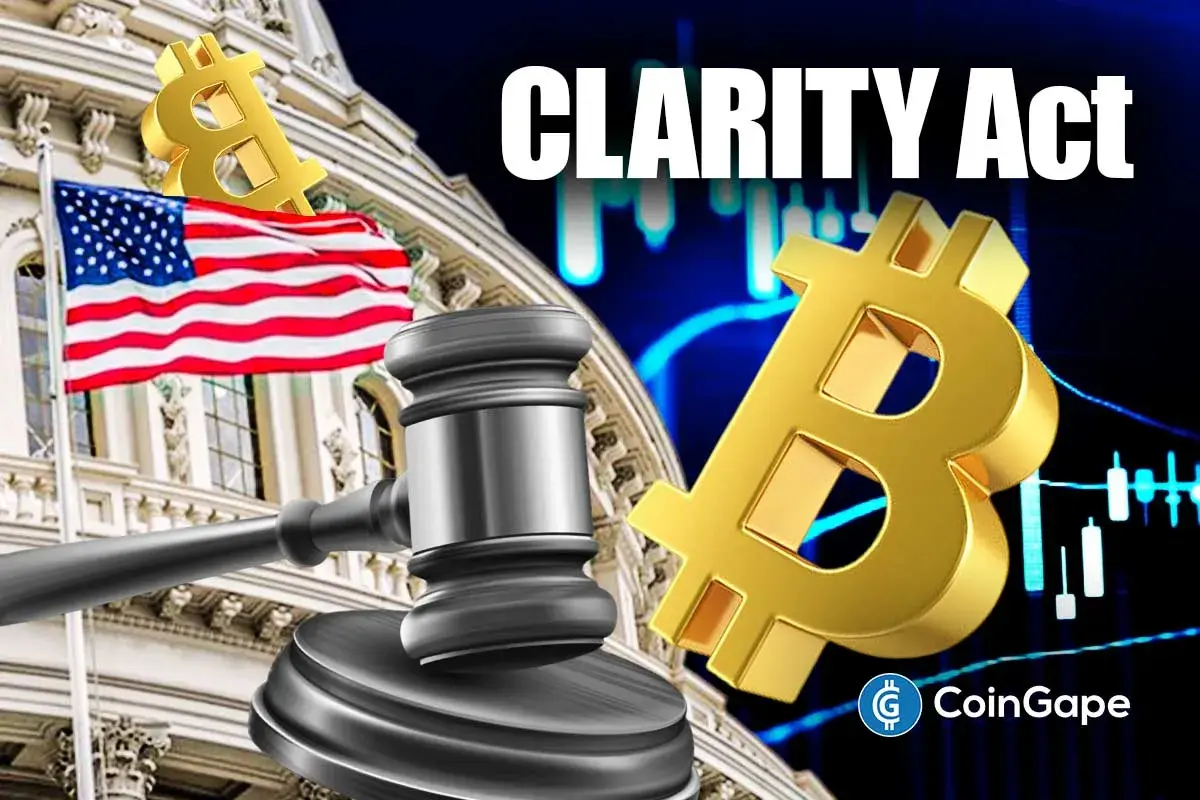
The ongoing debate surrounding the CLARITY Act continues to unfold, showcasing a dynamic clash between traditional banking institutions and the burgeoning cryptocurrency sector. Recently, a crypto advocacy group, the Digital Chamber, has challenged the banks’ proposals related to the legislation by putting forth a new set of principles that aim to address concerns surrounding stablecoins and their regulation. As discussions intensify, both parties are seeking a compromise that would benefit the regulatory framework for cryptocurrency in the U.S.
Digital Chamber’s Vision for Stablecoin Regulation
In a proactive response to the banking industry’s stance on the CLARITY Act, the Digital Chamber has released guiding principles to illuminate the road ahead in the stablecoin yield debate. The organization emphasizes that while a two-year study on the impact of stablecoins is agreeable, it should not automatically lead to regulatory rulemaking that could stifle innovation. The Digital Chamber is calling for a stable regulatory framework that can sustain the growth of a market structure for digital assets, ensuring the U.S. remains a leader in the global crypto revolution.
Banks’ Concerns regarding Stablecoin Yields
At a recent meeting convened by the White House, banks maintained their position against any form of yield or reward associated with stablecoins. They articulated that such yields could adversely affect the depository function of the U.S. banking system, jeopardizing its stability. In a bid to influence the version of the CLARITY Act moving through Congress, banks distributed a document laying out their proposals. This tension between the banks and crypto firms remains unresolved, as both parties strive to articulate their positions clearly.
The Digital Chamber’s Concessions
In an effort to facilitate discussions, CEO Cody Carbone of the Digital Chamber communicated a willingness to compromise on aspects of yield. He highlighted that the industry is prepared to forgo rewards that resemble traditional interest payments for stablecoins, akin to savings account mechanics. This concession is a significant move aimed at bridging the gap between the two sides while allowing crypto firms to continue offering rewards for engagement in transactions. Carbone’s call for renewed discussions points towards a desire for collaboration rather than confrontation.
Political Implications and the Urgency for Action
The political landscape is shifting, and the window for passing the CLARITY Act is narrowing. Patrick Witt, Executive Director of the President’s Council of Advisors for Digital Assets, emphasized the urgency of reaching a consensus before midterm elections shift focus away from crypto legislation. The need for agility between the cryptocurrency sector and traditional banking has never been more pronounced. The White House’s proactive engagement with stakeholders underscores the importance of continued dialogue.
The Future of Crypto Regulation
As both parties navigate the complexities of the CLARITY Act, the stakes are high for the future of cryptocurrency regulation in the U.S. A well-balanced regulatory framework could pave the way for innovation in the digital asset space, while failure to reach an agreement may result in a regulatory environment that stifles growth. The Digital Chamber’s recent proposals, along with the banks’ concerns, highlight the importance of collaborative efforts to work towards a stable and secure market structure for stablecoins.
Conclusion
The clash between traditional banks and the cryptocurrency sector continues to evolve as the CLARITY Act undergoes scrutiny and negotiations. While the Digital Chamber presents a more accommodating approach to regulations, banks remain cautious regarding the implications of stablecoin yields. Stakeholders must continue to engage in open dialogue to ensure a balanced regulatory framework that allows for growth in both the banking and cryptocurrency landscapes. As the political timeline progresses, the need for compromise becomes increasingly crucial to the future of digital assets in the United States.