



US Crypto Regulation: Key Developments on the CLARITY Act and Stablecoins
As the debate over cryptocurrency regulation heats up in the United States, Congress is gearing up for its third meeting on the market structure bill, scheduled for February 20, 2026. This meeting is anticipated to delve into the implications of stablecoin yield, a critical factor influencing both the traditional banking industry and the burgeoning crypto market. With influential voices from the sector, such as Coinbase CEO Brian Armstrong, advocating for the passage of the market structure bill, the urgency around regulatory clarity has never been greater.
The Focus on Stablecoin Revenue
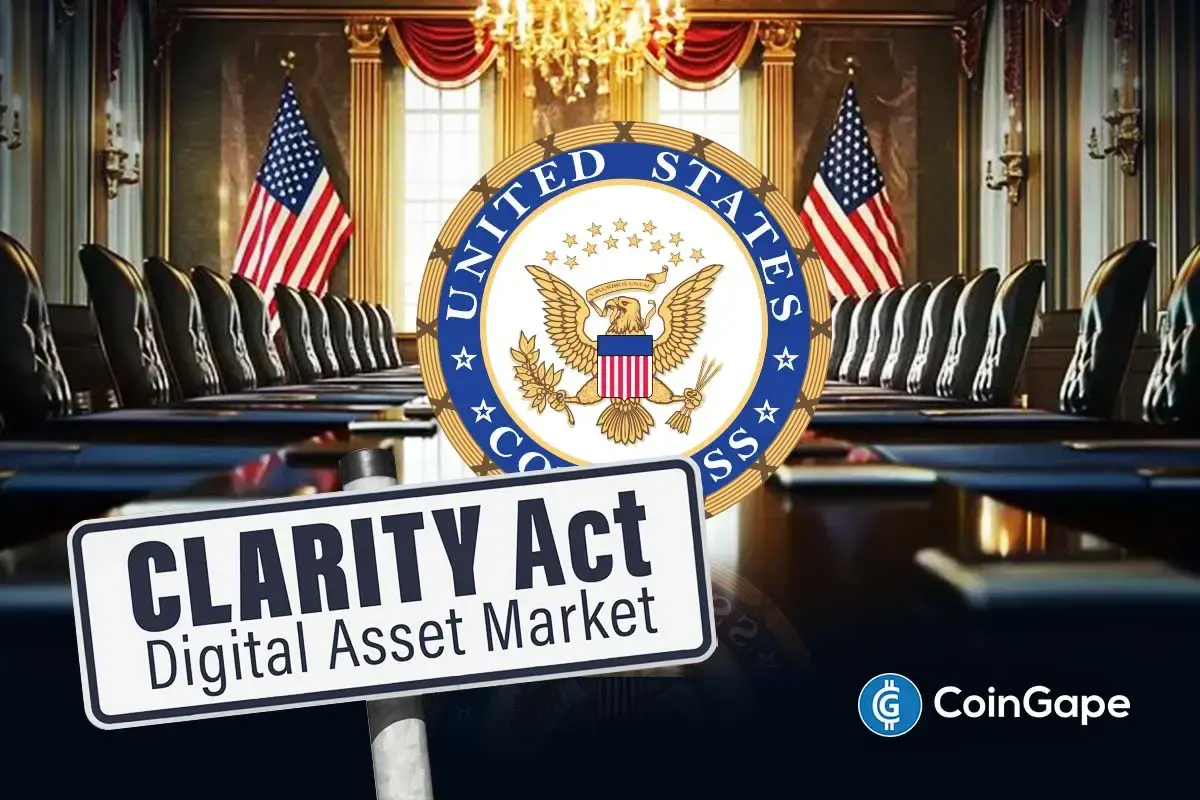
At this pivotal juncture, the White House is poised to engage in discussions surrounding the CLARITY Act, which is expected to underscore the importance of stablecoin revenue. This forthcoming meeting signifies a concerted effort by U.S. lawmakers to lay down clear regulations for the crypto industry. The House of Representatives had previously passed the crypto bill in July 2025, yet the bill’s final approval has stalled. The delay primarily stems from contentious debates surrounding stablecoin yield provisions. Lawmakers are grappling with differing viewpoints from both banking and crypto experts on how best to regulate stablecoins.
Banking Concerns vs. Crypto Innovation
One of the core issues at hand is the apprehension from traditional banks regarding the competitive threat posed by stablecoin yields. Banking representatives argue that allowing stablecoin rewards could siphon deposits away from financial institutions, negatively impacting lending practices and potentially destabilizing the banking sector. Conversely, crypto advocates argue that imposing strict regulations on stablecoin revenue would quash innovation and reduce options for consumers. This clash of interests underscores the necessity for dialogue and compromise among stakeholders in the financial ecosystem.
The March 1 Deadline: A Crucial Turning Point
The urgency of these discussions has been amplified by a looming deadline. The White House Crypto Council recently convened for its second meeting to address the market structure bill, with leaders from both the banking and crypto industries participating. While the meeting was labeled "productive," it yielded no concrete agreements. A significant point of contention was a proposal from banks aimed at prohibiting any form of interest or rewards linked to stablecoins. This proposal, outlined in the “Yield and Interest Prohibition Principles,” has been met with fierce opposition from the crypto industry.
The Call for Comprehensive Solutions
The stakes are high as the deadline for negotiations approaches on March 1, 2026. Both sides are being urged by the White House to seek common ground, as the outcome of these negotiations not only influences regulatory clarity for stablecoins but also impacts the broader market structure bill. Achieving an amicable resolution could pave the way for faster implementation of regulatory frameworks, fostering a stable environment for innovation in the crypto space.
Industry Perspectives and Proposals
Experts from across the crypto industry have emphasized the need for balanced regulations that recognize the unique characteristics of stablecoins. Notably, leaders from prominent firms, such as Ripple, have expressed optimism regarding the progress of the CLARITY Act and its potential to bring much-needed clarity to stablecoin regulation. As discussions continue, the focus remains on how to delicately balance the interests of both traditional finance and the rapidly evolving crypto landscape.
A Path Forward for Crypto Regulation
In conclusion, the third meeting on the market structure bill represents a critical step in the ongoing discourse on cryptocurrency regulation in the U.S. As both banking and crypto industries strive to reach an understanding, the implications of stablecoin yield remain a central theme. The impending March 1 deadline acts as a catalyst for collaboration, urging stakeholders to come to a consensus that fosters innovation while addressing legitimate concerns of the banking sector. The outcome of these negotiations will likely set the tone for the regulatory landscape in the crypto industry, impacting the future of both traditional finance and cryptocurrency innovation.