



Coinbase Directors Facing Insider Trading Lawsuit: A Closer Look
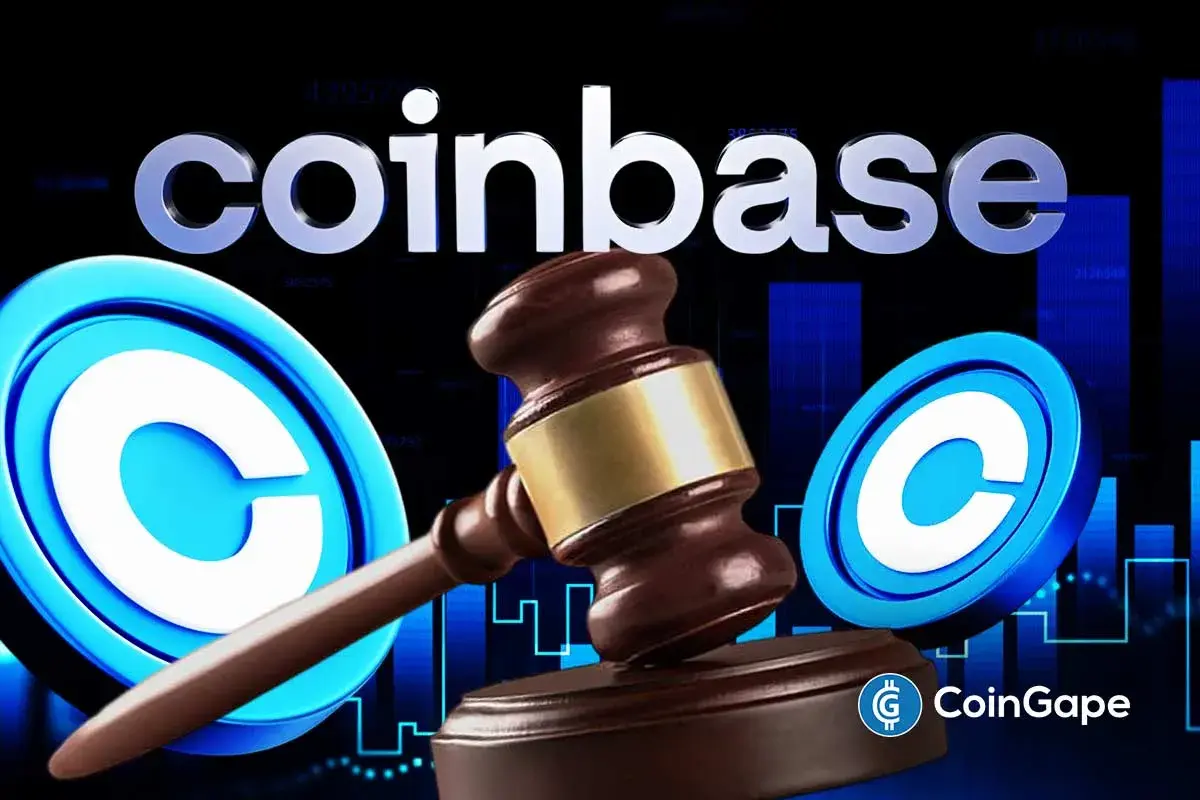
Coinbase, one of the leading cryptocurrency exchanges, finds itself embroiled in a class action lawsuit that alleges insider trading by its directors, including CEO Brian Armstrong and board member Marc Andreessen. This legal battle continues despite a comprehensive investigation that cleared the directors of any wrongdoing. The ongoing litigation raises critical questions about the integrity and transparency of insider trading regulations in the fast-evolving world of cryptocurrencies.
Allegations and Background
The class action lawsuit was initiated by a Coinbase shareholder last year, who claimed that the company’s directors used non-public information to sidestep losses estimated at over $1 billion. Specifically, the lawsuit alleges that these executives sold Coinbase shares worth upwards of $2.9 billion prior to the company’s public listing. Notably, Armstrong alone is accused of offloading shares valued at approximately $291.8 million. The issues surrounding insider trading in cryptocurrency have gained traction, particularly as regulators and market participants scrutinize the operational frameworks of platforms like Polymarket.
Direct Listing vs. IPO Dynamics
A crucial aspect of this case revolves around Coinbase’s decision to go public via a direct listing rather than a traditional Initial Public Offering (IPO). In an IPO, there is typically a lock-up period, restricting existing shareholders from selling their shares for a set time. Conversely, the absence of such a lock-up in a direct listing allows insiders to sell their stocks immediately, a fact that has been central to the allegations. Critics argue that this structure can potentially disadvantage retail investors who lack the foresight or access to non-public information that insiders may have.
Defense Strategies
In response to the allegations, attorneys representing the directors have strongly denied any claims of insider trading. They argue that the plaintiff has failed to provide sufficient evidence demonstrating that the defendants had access to material, non-public information that influenced their stock-selling decisions. A key part of their defense hinges on the assertion that selling shares was motivated by a desire to create liquidity in the market, rather than a need to avoid losses based on privileged information.
Investigation Findings
The court case was temporarily postponed while a special committee from Coinbase conducted an exhaustive investigation into the claims made in the lawsuit. After a span of 10 months, this committee recommended that the case be dismissed, asserting that the allegations lacked sufficient merit. They noted that it is inherently challenging to trade stocks based on non-public information given that Coinbase’s stock price is closely correlated with Bitcoin—a point that complicates any argument surrounding insider manipulation.
Perspectives on Market Integrity
While the litigation committee concluded that the allegations were unfounded, the ongoing class action lawsuit raises broader questions about market integrity in the cryptocurrency space. As the financial landscape evolves, so too does the regulatory scrutiny on companies like Coinbase. The case illustrates not only the challenges of navigating legal frameworks in the crypto industry but also highlights the need for clear guidelines on insider trading, particularly in markets that operate 24/7.
Conclusion
Coinbase’s legal predicament serves as a pivotal moment for the cryptocurrency industry, highlighting the complexities of direct listings, insider trading allegations, and shareholder rights. As the lawsuit progresses, all eyes will remain on the court’s rulings and the implications they may have for both Coinbase and the wider crypto market. The outcome could set a precedent that influences how cryptocurrency companies approach their public listings, compliance with insider trading regulations, and the overall trust of investors in this rapidly changing environment. As discussions around transparency and regulation continue, stakeholders must be vigilant to ensure that market integrity is upheld.