




The Federal Reserve’s Dilemma: Rate Cuts, Jobs Reports, and Inflation Insights
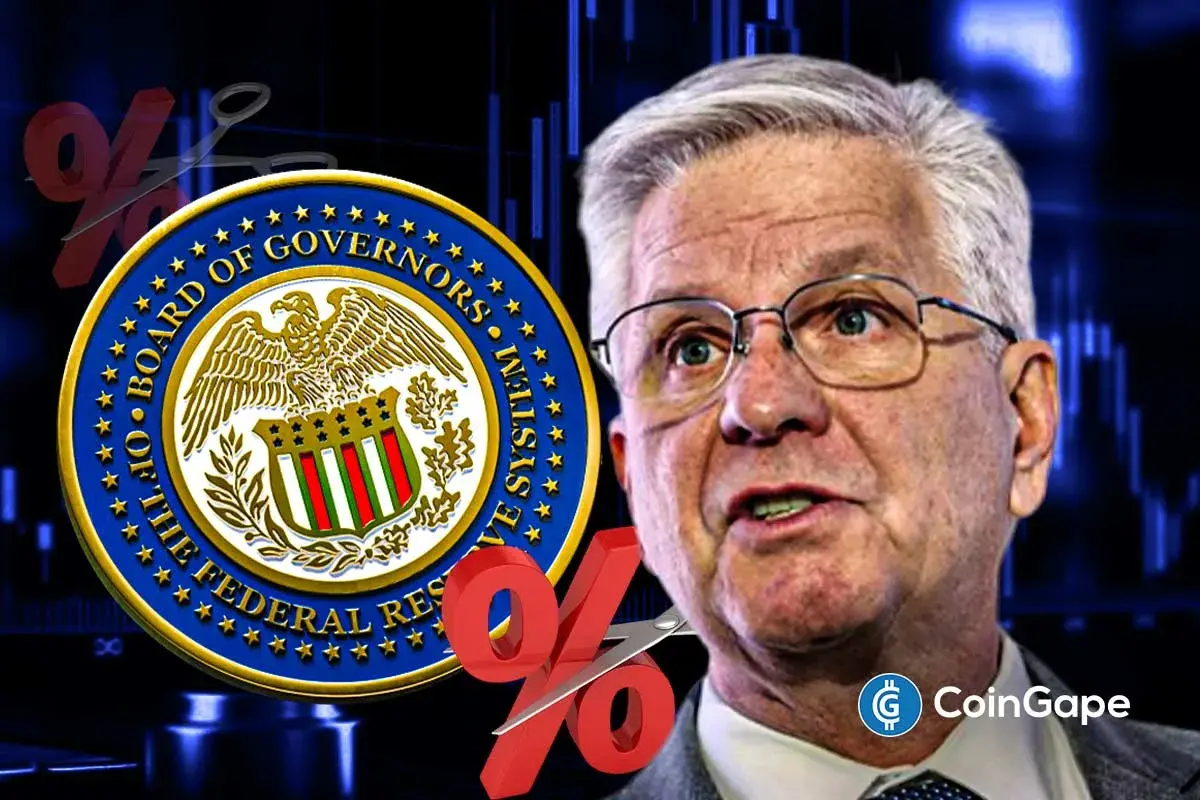
As the Federal Reserve navigates a complex economic landscape, the spotlight is on Governor Chris Waller’s crucial stance regarding a potential rate cut in March. His support hinges significantly on the upcoming February jobs report, particularly following the surprisingly positive January figures. While this growth in job numbers may suggest a slow recovery, Waller emphasizes that a single month’s success doesn’t equate to an overarching trend in the labor market. This meticulous analysis is pivotal, especially considering the Federal Reserve’s ongoing influence on financial markets, including the ever-volatile cryptocurrency sector.
Waller’s Position on March Rate Cuts
In a recent address in Washington, Waller outlined conditions under which he would back a reduction in the Fed’s interest rate. He expressed openness to a rate cut if the February jobs report weakens the narrative of a labor market turnaround and reflects a continuation of the weaknesses experienced in 2025, which he described as extraordinarily lackluster for job creation. Conversely, if the incoming data portrays improvements in job figures and indicates progress toward the Fed’s 2% inflation target, his outlook may shift toward supporting a pause in rate changes. This delicate balancing act underscores the Fed’s commitment to both job growth and stable inflation.
Upcoming Reports that Matter
The February jobs report, set for release on March 6—just before the crucial Federal Open Market Committee (FOMC) meeting on March 17-18—holds significant weight in determining Waller’s stance. Additionally, the Consumer Price Index (CPI) report, scheduled for March 11, will also provide essential insights into inflation dynamics. Waller’s recent dissent at the January FOMC meeting, where he championed a rate cut, illustrates his cautious yet proactive approach to navigating economic data as he reads the intricacies of the labor market and inflation rates.
January Job Growth: A Mixed Bag
The January jobs report, which recorded a rise in nonfarm payrolls by 130,000—well above the anticipated 65,000—has offered some positive indicators. However, Waller emphasizes that this data alone cannot be deemed conclusive. He remarked, “One month of good news does not constitute a trend, but a year does.” With last year being among the weakest for job creation since 2002, it’s essential for Waller and the Fed to ascertain whether this uptick is a fleeting moment or indicative of a more sustained recovery.
Potential Revisions and Market Impacts
Waller also highlighted the possibility of downward revisions to the January figures or contradictory data from February, either scenario strengthening the case for a rate cut consideration. Such developments could reaffirm his earlier position advocating for a 25-basis-point cut. The intricate interdependencies between labor statistics and Fed policies could incite fluctuations across various markets, particularly impacting investor sentiment in sectors like cryptocurrencies that are sensitive to regulatory and fiscal changes.
Inflation Concerns and Future Directions
Attention is also shifting to the upcoming Producer Price Index (PPI) inflation report, due on February 27, which will provide further clues into the current inflationary environment. Recent Core Personal Consumption Expenditures (PCE) data showcased a rise to 2.9%—higher than expected—pushing back against the narrative of easing inflation. Consequently, market predictions concerning a rate cut in March diminished, with CME FedWatch reflecting a robust 96% likelihood of rates remaining unchanged, a sentiment echoed by various FOMC voting members who have expressed concerns about inflation not trending toward its target.
The Ongoing Inflation Challenge
FOMC members such as Fed Presidents Lorie Logan and Beth Hammack have been vocal about their reluctance to support additional rate cuts without clear signs of inflation moving closer to the 2% goal. The decision to raise rates may become essential if inflation persists above target levels, reflecting the Fed’s stern vigilance over economic indicators. As these discussions unfold, financial markets will remain on edge, mindful of how the Fed’s decisions could reverberate through multiple sectors, particularly as they grapple with conflicting economic signals.
Conclusion
In essence, the path forward for the Federal Reserve amid uncertainties in the labor market and stretching inflation concerns remains delicate. With critical reports just around the corner, the interplay between employment data and inflation will shape the Fed’s policy direction. Governor Waller’s emphasis on thorough data analysis before supporting any rate cuts underscores the nuanced economic terrain the Fed must traverse. As stakeholders prepare for the March FOMC meeting, the outcomes of these economic reports will be pivotal, guiding not only monetary policy but also influencing broader markets, including the crypto arena. The ongoing discussion reflects the urgency of aligning economic realities with policy decisions in a dynamic and evolving market landscape.