


Fed Rate Cut Odds Surge Amid Political Pressure on Jerome Powell
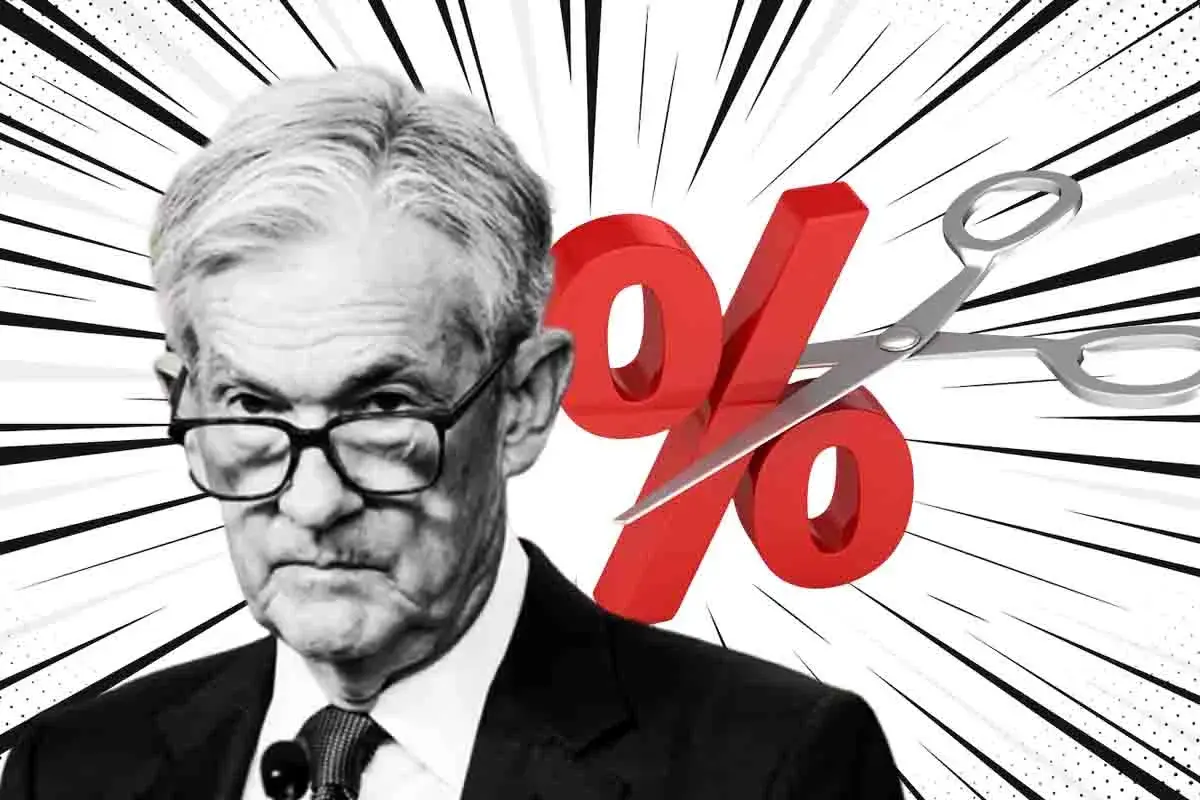
The financial landscape is shifting as the odds of a Federal Reserve rate cut in July have surged to 23%, following mounting political pressure on Fed Chair Jerome Powell. Recent market analysis indicates that concerns regarding Powell’s testimony in Congress may be leading to increased scrutiny, including a potential investigation initiated by the Federal Housing Finance Agency (FHFA). This article explores the implications of these developments and the overall economic context.
Rising Odds for a July Rate Cut
According to the latest data from the CME FedWatch tool, expectations for a July interest rate cut have increased significantly, climbing 3% in just a week. Economists now predict a range adjustment to 400-425 basis points at a probability of 23.3%. This uptick follows the Federal Reserve’s decision to maintain interest rates during its June meeting—a move that has not only raised eyebrows but also ignited political outcry. Notably, former President Donald Trump has publicly criticized Powell, attributing economic stagnation to his refusal to cut rates.
Political pressure is mounting not just from Trump but also from members within the Federal Open Market Committee (FOMC). Among them, Federal Reserve Governor Christopher Waller has suggested that rate cuts may commence as soon as July, citing encouraging inflation and employment metrics. However, the prevailing sentiment within the remaining FOMC suggests a significant likelihood of rates staying steady, with 76% predicting the Fed will maintain rates in the 425-450 basis point range.
Political Pressure: The Trump Factor and Beyond
Former President Trump’s vocal criticism has amplified the already increasing pressure on Jerome Powell. He has urged Powell to resign, arguing that the Fed Chair’s decision to maintain interest rates is detrimental to the U.S. economy. This public call for resignation symbolizes a broader discontent and exposes the fragile relationship between the Federal Reserve and the political realm. As economic performance indicators remain mixed, the fear of public backlash looms large over Powell and his team.
Moreover, external pressures are mounting from other political figures. Fed officials and lawmakers are weighing in, expressing their belief that the economy may necessitate prompt intervention through rate adjustments. This sense of urgency from both parties indicates an evolving narrative surrounding the Fed’s influence on economic growth and stability.
The Role of FHFA and Congressional Investigation
Compounding Powell’s challenges, the Federal Housing Finance Agency (FHFA) has initiated a call for Congress to investigate the Fed Chair for alleged discrepancies in his Senate testimony. FHFA Director William Pulte alleges that Powell’s statements contained inaccuracies related to a $2.5 billion building scandal and his portrayal of market conditions. This claim carries significant weight, as misrepresentations in formal settings can lead to serious ramifications, including potential removal from office.
The narrative around Powell has been amplified by bipartisan concerns regarding transparency and accountability in the Federal Reserve’s decision-making processes. Senator Cynthia Lummis has aligned with Pulte, questioning Powell’s purported political bias and demanding scrutiny of his actions. The political landscape is becoming increasingly contentious, reflecting broader concerns regarding the integrity of the financial system.
Market Expectations and Future Predictions
Despite the current political turbulence surrounding Powell, market analysts remain cautiously optimistic. Goldman Sachs reports that investors are pricing in potential interest rate cuts, anticipating as many as three reductions before the year concludes. This expectation indicates a delicate balancing act between maintaining economic stability and reacting to external political pressures. With inflation data trending positively, FOMC members may find increasing justification for easing rates, even as Powell faces scrutiny.
While markets are skeptical, prevailing sentiment suggests an impending shift in monetary policy aimed at bolstering economic growth. Investors must evaluate these shifts in context, as they have broad implications for various sectors, ranging from housing markets to consumer spending.
Implications for Investors and the Economy
As the economic landscape evolves with these developments, investors should remain vigilant. The potential for rate cuts could stimulate borrowing and spending, positively impacting various sectors of the economy. However, ongoing political controversies raise questions about the stability of the Fed’s leadership, which might lead to market volatility.
In addition, individuals looking to invest must approach the situation with caution. Fluctuations in interest rates may influence financial products, including mortgages and loans. Consequently, maintaining an informed perspective on these dynamics can empower investors to make sound financial decisions.
Conclusion: Navigating Uncertainties Ahead
As Jerome Powell faces mounting pressure and scrutiny, the future of U.S. monetary policy hangs in the balance. The spike in odds for a July rate cut indicates a potential shift towards easing, fueled by political demands and economic indicators. However, the ongoing investigation instigated by the FHFA and legislative calls for accountability may complicate Powell’s ability to navigate this landscape effectively.
As we move forward, both investors and policymakers must remain adaptable and informed. Understanding the intricate relationship between the Federal Reserve, political dynamics, and economic performance is crucial, especially in a period of heightened uncertainty. Keeping a close watch on developments in interest rates and economic data will be essential for making informed decisions in this rapidly evolving financial environment.