


US Senators Introduce Bipartisan Bill to Ban Sports Betting on Prediction Markets
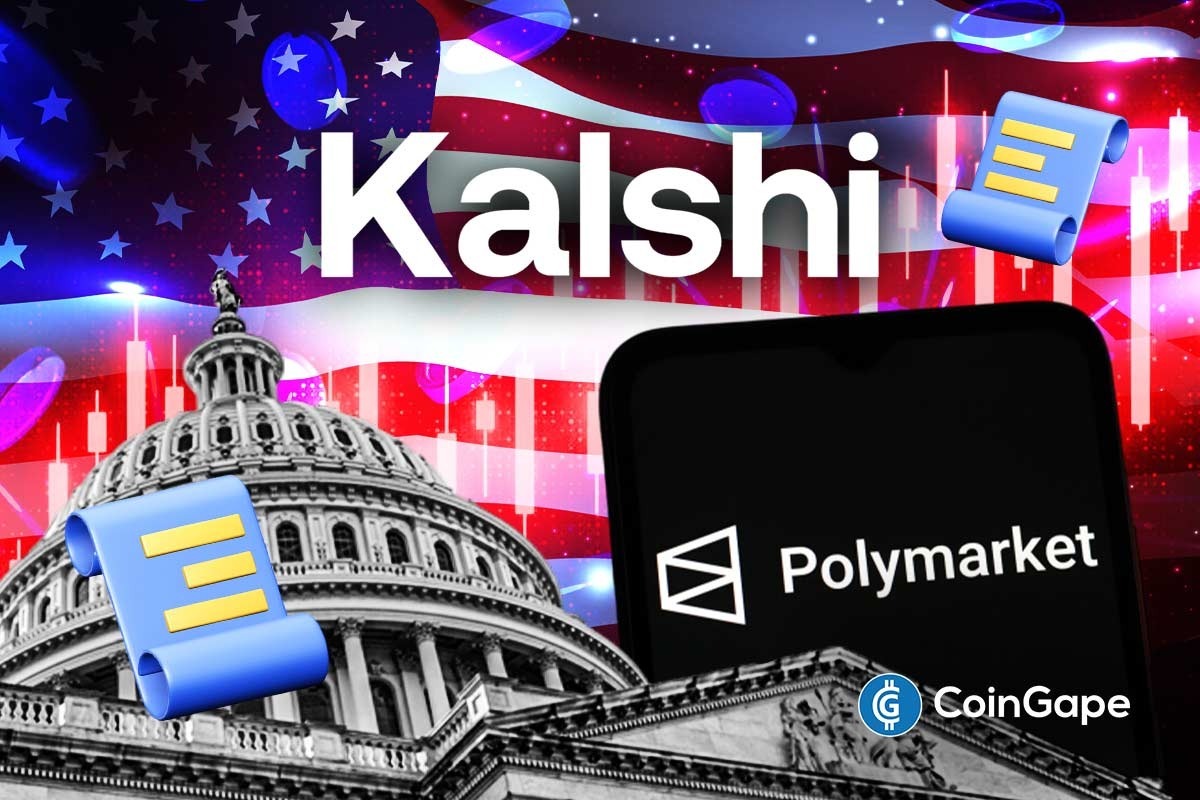
In a significant legislative move, U.S. Senators Adam Schiff (D-Calif.) and John Curtis (R-Utah) have announced plans to introduce a bipartisan bill aimed at banning sports betting on Commodity Futures Trading Commission (CFTC)-regulated prediction markets, including popular platforms Kalshi and Polymarket. As prediction markets have gained traction, they have also faced increasing scrutiny and legal challenges concerning issues like insider trading, market manipulation, and the potential circumvention of state gambling laws. This article explores the implications of this proposed legislation and the ongoing concerns surrounding prediction markets.
The Legislative Proposal
Scheduled for introduction soon, the bipartisan bill not only seeks to prohibit sports-related contracts in prediction markets but also aims to ban "casino-style games" such as video poker, blackjack, and bingo on these platforms. Senator Schiff expressed his concerns by stating, "The CFTC is greenlighting these markets and even promoting their growth. It’s time for Congress to step in and eliminate this backdoor which violates state consumer protections." The introduction of this bill marks an important first in federal efforts to regulate prediction markets, reflecting growing unease about their impact on gambling practices in the U.S.
Risks Associated with Prediction Markets
The legislators have highlighted multiple risks tied to prediction markets, particularly the increasing exposure of young individuals to addictive sports betting and casino-style gaming. With platforms like Kalshi and Polymarket allowing yes-or-no wagers on a variety of events, including professional and college sports, concerns arise over the potential for trivializing gambling. Senator Curtis has emphasized that the regulatory environment can lead to higher risks as these activities primarily fall under state control, raising questions about the efficacy of federal oversight. This highlights a contrasting trend where decentralized sports betting platforms are swiftly gaining popularity among traders, complicating the regulatory landscape further.
Growing Congressional Pushback
The bipartisan bill is part of a broader wave of legislative action addressing the potential hazards associated with prediction markets. A series of bills have emerged in Congress that propose banning contracts related to terrorism, military actions, and other sensitive events. These efforts aim to alleviate concerns over corruption and manage national security threats. For example, Senator Chris Murphy and his colleagues have advocated for the BETS OFF Act, a bill designed to curb wagering on governmental actions and events that exhibit a higher risk of being manipulated. This growing scrutiny reflects a commitment among lawmakers to ensure the integrity of markets and protect consumers.
Support and Opposition
Interestingly, while there is bipartisan support for stricter regulations, some disagreements persist, particularly around the role of federal versus state oversight. The Trump administration previously advocated for platforms like Kalshi, defending them in legal challenges related to state restrictions. This divergence illustrates the complexities surrounding the regulation of prediction markets. Supporters of these platforms argue that they foster innovation and offer new forms of market engagement, while critics cite concerns about the potential for exploitation and disturbances to state-imposed gambling laws.
Global Perspective on Regulation
The conversation about prediction markets is not confined to the U.S.; other countries are taking note and acting accordingly. For instance, Argentina has become the second Latin American nation, following Colombia, to impose a ban on Polymarket, citing alleged illegal gambling practices as justification for its decision. This illustrates a rising global trend toward stricter regulatory measures for prediction markets, suggesting that concerns about these platforms are not unique to the U.S. market.
Conclusion
As U.S. Senators seek to introduce a bipartisan bill to regulate prediction markets by banning sports betting and casino-style games, the conversation underscores an urgent need to balance innovation with consumer protection. With growing pressure from both lawmakers and citizens alike, the future of platforms like Kalshi and Polymarket hangs in the balance. As these discussions evolve, they will likely shape the legislative landscape surrounding prediction markets, potentially influencing how they operate both in the United States and globally. The proposed legislation highlights a critical juncture where regulators must carefully consider the implications for market integrity, public safety, and consumer welfare.