




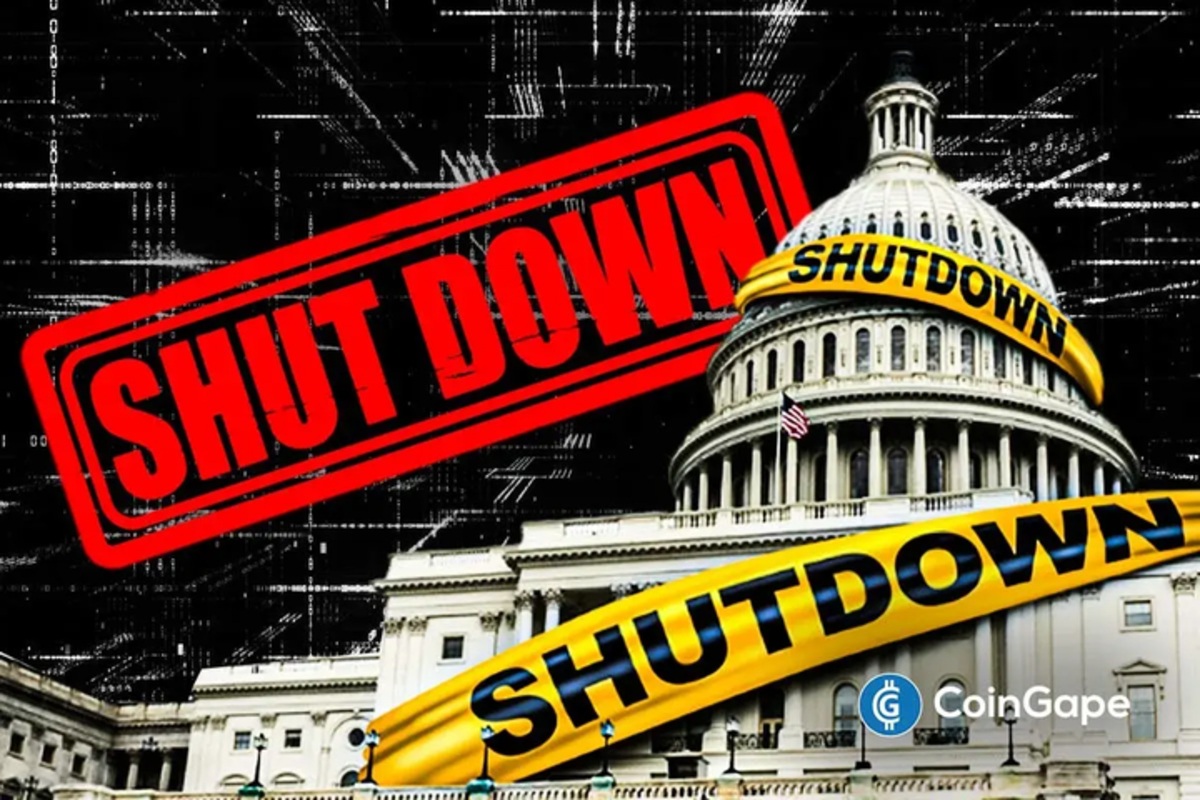
The Looming Government Shutdown: Current Challenges and Implications
With the U.S. Congress departing Washington for the Christmas recess, a government shutdown looms ever closer. Lawmakers left without agreeing on a budget deal or a voting framework, leading to increased uncertainty around federal operations. As the January 31 deadline approaches, the ongoing failure to finalize a funding package raises concerns over a potential government shutdown that could disrupt crucial services and funding.
Funding Talks Stall: A Stalemate in Congress
Recent reports indicate that Senate leaders have abandoned efforts to advance a much-needed spending package before the recess. Despite weeks of negotiations, they were unable to sway objecting committee members or garner the necessary votes. Both chambers of Congress find themselves at a standstill, and without detailed negotiations on the remaining nine spending bills, the risk of a temporary funding extension or an outright government shutdown is heightened.
In an effort to break this stalemate, top House and Senate appropriators reached an agreement on overall spending caps. This rudimentary agreement establishes high-level totals for the remaining bills but fails to resolve the contentious disagreements regarding fund allocation. The lack of consensus leaves lawmakers without a clear path forward, further complicating negotiations.
Frustrations Mount Over Legislative Progress
Frustration among Democrats is palpable as the pace of legislative progress stagnates. Many party members express concern that the previous months have been consumed drafting partisan bills instead of fostering bipartisan compromise. Democratic appropriators are ready to move forward under the agreed spending caps, aiming to expedite the legislative process.
However, Republican divisions continue to hinder progress, creating an even more complicated landscape. Fiscal conservatives within the party demand flat funding levels across all agencies, insisting on no increases beyond current spending levels. This intra-party conflict complicates negotiations and poses a significant barrier to any potential agreement on funding.
Deadline Pressure: The Speaker’s Hope for a Resolution
House Speaker Rep. Mike Johnson has emphasized the urgency of finalizing all funding bills by January 30. As the deadline approaches, mounting pressure on party leadership intensifies, with several lawmakers openly warning of the potential for another government shutdown. While some members hint at a possible short-term funding patch, others are less optimistic, indicating that if the deadline passes without a resolution, Congress may be faced with a shutdown with minimal time to react.
Challenges in the Senate: Earmark Opposition and Delays
The Senate faces its own unique set of obstacles, with conservative senators refusing to support funding packages primarily due to their opposition to earmarks. Additionally, Democrats have stalled progress over a disagreement linked to a federal climate research center, further complicating the appropriations process. Despite these challenges, Senate leaders Chuck Schumer and John Thune remain hopeful they can navigate through the appropriations process before the looming deadline.
Congressional staff have been instructed to continue working during the recess, and informal negotiations may take place before lawmakers reconvene. However, time is the enemy. When Congress returns on January 5, both chambers will have only about three working weeks until the crucial deadline, with the House being out of session for one of those weeks.
The Economic Stakes: Impacts of a Potential Shutdown
The potential for another government shutdown carries significant economic implications. Previous shutdowns have severely disrupted economic data and the operations of various federal agencies. As the U.S. grapples with an already fragile macroeconomic environment, a funding delay could exacerbate existing tensions and negatively impact federal services that millions rely on.
The coming weeks will be critical in determining Congress’s ability to either avert a shutdown or contend with yet another crisis in federal funding. As negotiations continue, the stakes have never been higher for both parties and the American public.
Conclusion: A Critical Juncture for Congress
As the deadline nears, the path forward for Congress remains exceedingly uncertain. With bipartisan tensions rising, a potential government shutdown could have dire ramifications for federal operations and the U.S. economy. The effectiveness of Congressional leaders and appropriators will be tested, as they face the urgent task of reaching consensus amidst a politically charged landscape. The country will be closely watching how lawmakers handle this critical juncture and whether they can forge a path to avoid yet another shutdown.