



XRP Ledger Dominates Tokenized US Treasury Bills: Insights into Current Trends and Future Prospects
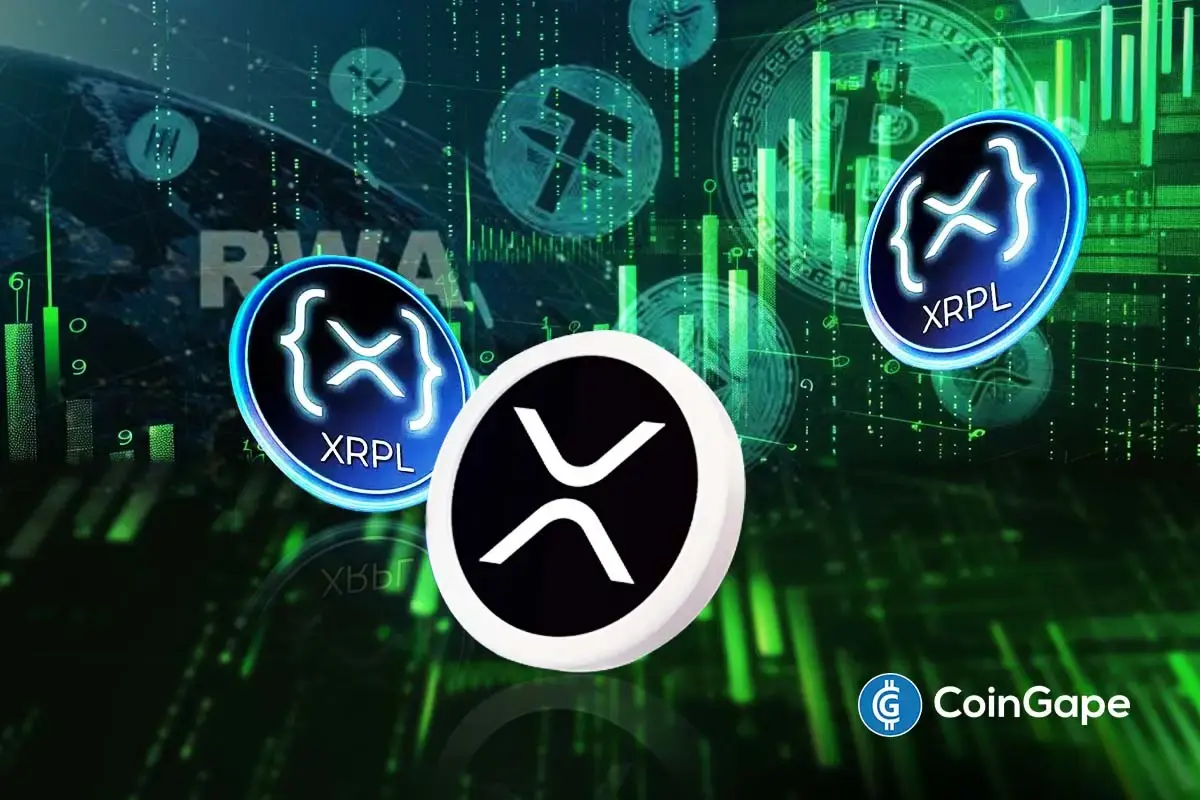
The XRP Ledger (XRPL) is making waves in the blockchain ecosystem by establishing itself as the leading platform for tokenized US Treasury bills. Recent data indicates that XRPL now holds approximately 63% of all tokenized treasury bills, a significant achievement that showcases its potential in the evolving landscape of digital finance. This substantial market share translates to an impressive issuance volume of 54.41 million treasury tokens on XRPL, surpassing major competitors like Ethereum. Such milestones not only highlight the capabilities of the XRPL but also set the stage for deeper explorations into its potential.
Despite its robust issuance numbers, the XRP Ledger faces a major challenge: minimal transfer activity. Recent reports indicate that the monthly transfer volume of treasury bills on the XRPL is just $200. In stark contrast, Ethereum and other dominant blockchains process millions in transactions each month. This reflects a troubling reality—the XRP Ledger, while leading in issuance, is witnessing only a marginal 0.003% transaction activity. As a result, the platform’s treasury tokens have yet to gain traction in terms of everyday usage, raising questions about their utility and appeal among users.
The current landscape also highlights some strategic moves that may influence the future of XRPL’s treasury tokens. A recent development includes Binance’s listing of XRPL’s RLUSD stablecoin, further embedding the XRP Ledger in the broader cryptocurrency ecosystem. Coupled with significant collaborations like that between Aviva Investors and Ripple, which focuses on exploring fund tokenization on the XRPL, there is potential for renewed interest and activity on the platform. These partnerships aim to bolster the liquidity and visibility of tokenized assets, potentially paving the way for greater adoption.
Furthermore, a notable collaboration was announced between Doppler Finance and OpenEden, which aims to integrate tokenized real-world asset infrastructure into Doppler’s yield protocol. This partnership opens new avenues for yield opportunities for XRP and RLUSD holders, significantly enhancing the appeal of XRPL. By fostering a more robust ecosystem of real-world assets tokenization, these initiatives could stimulate interest within the community, ensuring that the platform remains competitive.
Looking ahead, industry experts have identified the upcoming one to three months as critical for the XRPL’s trajectory in the tokenized treasury market. Stakeholders are keenly observing market activity, with hopes that XRPL will initiate a surge in transfer volumes similar to those seen on Ethereum and other platforms. Furthermore, there is anticipation regarding the potential launch of new direct products on XRPL that can stimulate greater use of treasury tokens. The community remains particularly interested in whether Aviva will transition from planning to execution, bringing a tokenized fund to fruition backed by clear investor numbers and official documentation.
In conclusion, while the XRP Ledger currently leads in tokenized US Treasury bills by a significant margin, it must address the challenge of low transfer activity to unlock its full potential. The combination of strategic partnerships, anticipated new product launches, and community engagement may provide the momentum XRPL needs to shift from mere issuance dominance to active utility in the real world. The coming months are crucial for understanding whether XRPL can turn these challenges into opportunities, ultimately enhancing its position in the rapidly evolving blockchain market.