




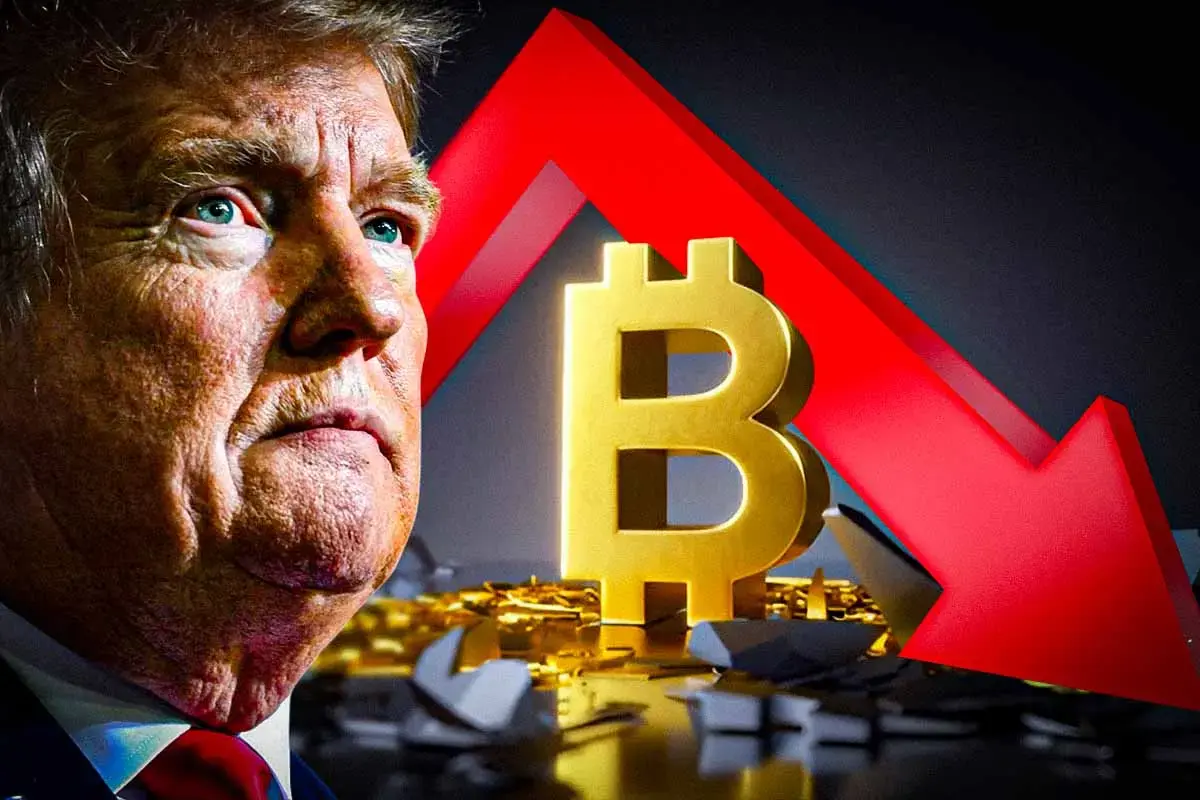
Bitcoin Price Decline: Analyzing the Current Trends and Future Projections
In the recent trading hours, Bitcoin witnessed a significant drop of over 3%, plunging to a low of $92,089. This sharp decline was largely attributed to the announcement of new tariffs by U.S. President Donald Trump on eight European countries. As tensions mount over the Greenland standoff, market participants are responding with heightened volatility. Concurrently, gold prices surged, reaching a new high, as risk-off sentiment permeated the markets. This article delves into the reasons Bitcoin’s price could remain subdued in the coming week, providing insights for traders and investors.
Bitcoin’s Price Fluctuations Amid Tariff Uncertainty
The recent imposition of tariffs has led to considerable instability in the cryptocurrency market. Following Trump’s declaration of a 10% tariff on Denmark and seven other European nations, Bitcoin’s price dropped sharply while gold rose to an unprecedented $4,670. The retaliatory measures from the European Union, which include nearly $100 billion in tariffs and restrictions on U.S. businesses, are creating a ripple effect that has raised concerns globally. The resulting market chaos led to the liquidation of millions in leveraged positions, further exacerbating Bitcoin’s decline. CoinGlass data revealed that about $850 million in cryptocurrency positions were liquidated within a single day, with Bitcoin itself accounting for nearly $250 million of that total.
The Impact of Leveraged Positions on Market Dynamics
Despite Bitcoin’s previous rally towards $98,000, the upward movement was primarily driven by derivatives trading rather than strong demand from significant investors or "whales." Recent reports indicate that whales are closing their long positions, shifting market dynamics away from bullish sentiments. This is evidenced by the increased opening of short positions among these large investors. Additionally, experts from 10x Research pointed out that the rally lacked substantial leverage, indicating that recent market behavior is more akin to a bear market rally than a genuine upward trend. As market speculation rises, the situation suggests that many traders are reassessing their strategies amid a fluctuating economic climate.
Current Market Sentiment and Future Concerns
The sentiment within the cryptocurrency space reflects considerable caution, particularly as Bitcoin remains below its 365-day moving average near $101,000, a historical threshold often indicative of market regimes. CryptoQuant analysts noted that weak demand and rising exchange inflows combined with a low implied volatility for Bitcoin indicate an uncertain market. Many traders are seeking downside protection, suggesting an overarching hesitance to re-enter the market amid shifting conditions. This apprehension may hinder Bitcoin’s ability to reverse its course toward the $100,000 milestone, which many have been anticipating.
Bank of Japan’s Rate Hike: A Catalyst for Bitcoin’s Further Decline?
The increasing wariness among investors is also partly due to the impending interest rate decisions from the Bank of Japan (BOJ). Recent statements from BOJ Governor Kazuo Ueda regarding potential rate hikes have prompted concerns that rising bond yields could lead to a destabilization of the cryptocurrency market. As Japan’s 30-year government bond yield reached historic highs, worries about carry trades unwinding intensified. If the BOJ decides to raise its rates, it could have a cascading effect, leading to further liquidations within the Bitcoin market.
How Tariffs and Economic Policies Are Shaping Market Behavior
The combination of new tariffs and global economic uncertainty is putting pressure on Bitcoin and other cryptocurrencies. Increased tariffs may be uniting foreign nations against the U.S., potentially jeopardizing the status of the U.S. dollar as the world’s primary reserve currency. Analysts like Peter Schiff have raised alarms, suggesting that the consequences of Trump’s aggressive policies could backfire, affecting not only Bitcoin but also other financial markets. The correlation between the actions of major world economies and Bitcoin indicates that the digital asset cannot operate in a vacuum.
Conclusion: Navigating the Current Crypto Landscape
As Bitcoin grapples with ongoing market volatility and geopolitical uncertainties, traders must remain vigilant. With external factors such as tariff announcements and central bank decisions weighing heavily on market sentiment, it is imperative for investors to stay informed and adaptable. Despite the recent downturn, the longer-term outlook for Bitcoin will heavily depend on macroeconomic conditions and investor behavior. Those considering entering or exiting positions should carefully analyze market trends and potential implications of incoming news. In these tumultuous times, prudent decision-making becomes essential for navigating the ever-evolving cryptocurrency landscape.