



The Rise of Altcoins: How Institutional Adoption is Shaping the Crypto Landscape
The cryptocurrency market is undergoing a significant transformation, marked by an unprecedented wave of institutional adoption. As exchange-traded funds (ETFs) enter the market, the spotlight is shifting from Bitcoin (BTC) to altcoins, with Solana (SOL) emerging as a frontrunner. This article explores the recent developments in the crypto space, particularly the influx of institutional investment into altcoins and the implications for the market.
Institutional Interest in Altcoins
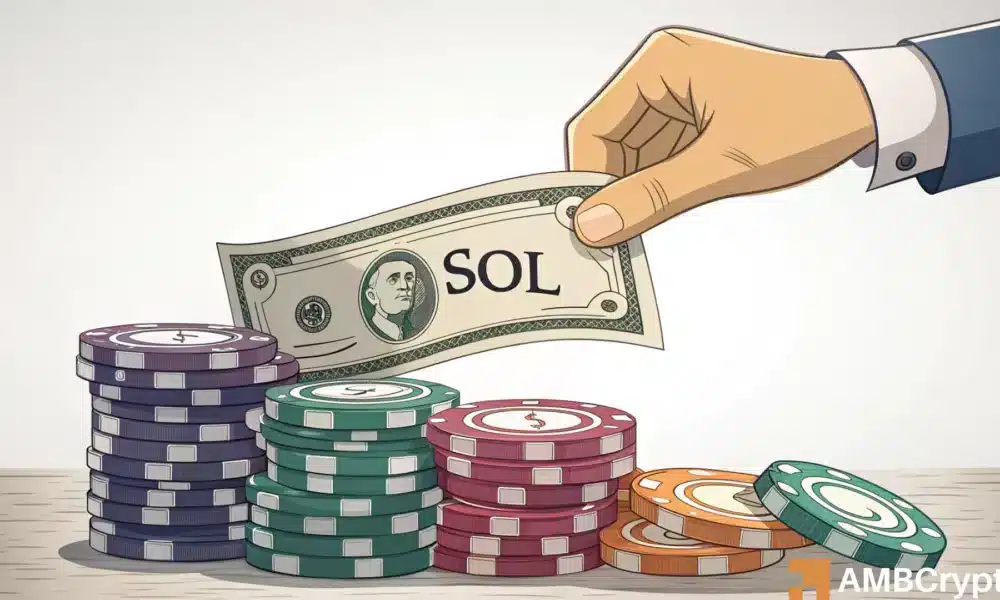
The advent of multiple ETFs, particularly for altcoins, indicates a robust institutional interest in diversifying crypto portfolios beyond Bitcoin. Solana specifically has made waves by launching six spot SOL ETFs in the final quarter of the year, amassing approximately $622 million in inflows. A remarkable 95% of this capital has funneled into the Bitwise BSOL ETF, which has effectively become a heavyweight in the Solana ecosystem. Such momentum may not yet confirm the onset of an "altcoin season", but data clearly exemplifies a shift in focus to altcoins.
Vanguard’s Strategic Shift
One of the most notable players in this landscape is Vanguard Group, one of the world’s largest asset managers with over $11 trillion in assets under management. The firm recently reversed its long-standing opposition to crypto ETFs, announcing on December 2 that it has opened its platform to include crypto ETFs like Solana. This strategic pivot showcases Vanguard’s recognition of the growing institutional demand for cryptocurrencies. The decision to include Solana underscores its potential alongside other major players like Ethereum (ETH), which had previously dominated the crypto ETF scene.
Understanding Vanguard’s Confidence in Solana
Despite facing headwinds in terms of price performance, Vanguard’s endorsement of Solana points to a deeper belief in the fundamentals of the asset rather than merely short-term price gains. Solana’s price action has been tumultuous, with the asset known as one of the "worst-performing" cryptocurrencies of the year, dropping 28% and echoing its infamous 95% plunge in 2022. This backdrop raises questions about why a major institution like Vanguard would bet on Solana now.
Strong Fundamentals Support Stronger Investment
The answer lies in the scalability and efficiency of the Solana blockchain. Recent data has highlighted that Solana’s real-time transactions per second (TPS) rose to 798.5, with a transaction finality time of just 12.8 seconds. These metrics place Solana among the most efficient high-cap blockchains, making it an attractive option for institutional investors. Vanguard’s confidence signals a long-term investment approach based on Solana’s technological advancements, especially with the upcoming Alpenglow upgrade expected in Q1 2026.
Future Prospects for Solana
With institutional backing and ongoing upgrades in network capabilities, Solana could see significant upside potential in the coming years. Analysts are contemplating targets as high as $500—approximately a 270% gain from current prices—as market conditions evolve. Through continual enhancements in scalability and the rising interest from institutions, Solana is set to become a major player, attracting diverse portfolios eager for robust investment opportunities.
Conclusion: Toward a New Crypto Era
The evolving landscape of institutional adoption underscores a newfound confidence in altcoins, especially Solana. Vanguard’s policy reversal serves as a bellwether, reflecting a shift towards a more diversified crypto investment environment. While Solana continues to grapple with price volatility, its fundamental strengths suggest a future marked by recovery and growth. The convergence of network upgrades, improved scalability, and institutional interest positions the altcoin for a potentially prosperous year ahead.