



Understanding the Current XRP Market Dynamics: Supply, Demand, and Price Volatility
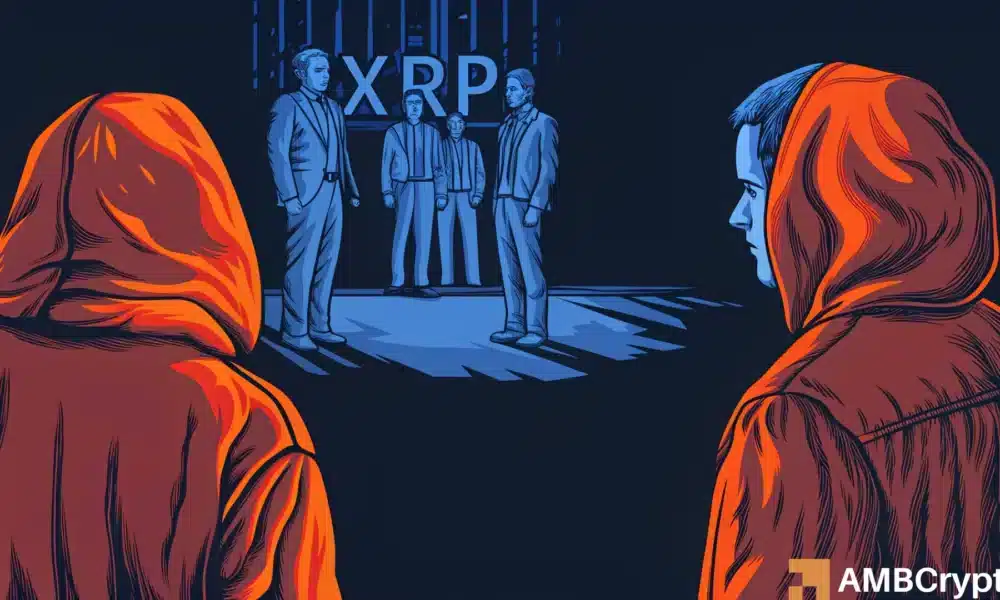
Ripple’s XRP has garnered attention not just for its technology but also for its unique market dynamics. While the token boasts a substantial total supply, the reality of accessibility and liquid tradeable amounts paints a different picture. Many small holders are trapped with minimal holdings, while actual market liquidity diminishes. This article delves into the current situation of XRP, focusing on the implications of selling pressure, retail participation, and the broader consequences for market volatility.
The Selling Pressure on XRP
XRP is currently grappling with significant selling pressure, particularly following a notable price decline. The token, which had surged to heights of approximately $3.66, has plummeted nearly 50% to about $1.85. This sharp downturn triggered increased exchange inflows, particularly on Binance, which dominates the XRP trading market. Such heightened sell activity signifies a reactive market where traders are eager to liquidate their positions amidst falling prices.
Between mid-December and the present, daily transfers of XRP to Binance surged from levels between 35 million to 116 million. This inflow indicates a market sentiment leaning towards selling rather than buying, which may compel traders with small holdings to offload assets, further exacerbating the price dip. Despite this pronounced sell pressure, total XRP held on exchanges continues to decline, currently resting at around 1.5 billion XRP. This contradiction highlights a complex market environment where selling occurs, yet the exchange supply is contracting.
The Retail Investors’ Dilemma
The distribution of XRP significantly influences how various market participants are feeling the brunt of current price movements. Recent statistics reveal that over 6 million wallets hold 500 XRP or fewer, placing the majority of market participants in the small-holder bracket. Meanwhile, a limited number of wallets hold substantial amounts, effectively controlling a major portion of the total supply.
While XRP’s total circulating supply appears robust, these figures can be misleading. The significant portion of XRP remains locked in escrows, reserves, and protocol-related stipulations, which restricts its availability for trading. Consequently, the actual liquid supply in the market is far smaller. This reality limits retail participation as most investors find themselves unable to capitalize on favorable conditions.
Rising Costs of Accumulating XRP
As XRP has gained prominence, the costs associated with acquiring it have escalated dramatically. The price of purchasing 1,000 XRP has risen from an approximate $500 just over a year ago to about $1,750 presently. This substantial increase in entry costs effectively discourages new retail investors from entering the market, especially during price pullbacks. In a trading environment that demands capital-intensive investments, the remaining retail participants are often unable to compete against larger holders and institutional investments.
In addition, the functional lock on a significant portion of XRP, due to network states and account reserves, further complicates the landscape for retail investors. The barriers to entry, coupled with limited access to liquid XRP, create a scenario where potential buyers may shy away from the market entirely.
Implications for Market Dynamics
The conundrum presented by XRP’s supply and demand dynamics is multifaceted. The ongoing sell pressure and declining exchange balances form a contrasting tableau, suggesting that even modest upticks in demand could yield considerable price volatility. Given that a large segment of XRP remains tied up and small holders have little leverage, any return to demand could drastically tighten the available supply in the market.
As retail investors find themselves priced out and liquidity continues to shrink, the potential for price spikes becomes increasingly pronounced. When sentiment shifts, and particularly if larger holders decide to sell less, the market could experience rapid movements, reflecting a tighter supply and increased demand.
Final Thoughts on XRP’s Future
In summary, XRP finds itself entrenched in a challenging yet opportunistic market scenario. Despite the heavy selling pressure evident in current trends, the diminishing exchange balances indicate that supply is on a shrinking course. As retail participation dwindles and the accumulation of XRP becomes increasingly costly, the market may become susceptible to abrupt price changes with even slight increases in demand.
Understanding these dynamics is crucial for investors as they navigate the complexities of XRP’s current landscape. With liquidity factors at play, potential investors and traders must remain vigilant, ready to adapt to rapidly evolving market conditions. Whether XRP’s fundamentals will guide a recovery or further decline remains to be seen, but it is clear that upcoming market shifts could set the stage for exciting developments in the cryptocurrency’s journey.