



Market Turbulence: Trump’s Tariff Warnings and the Crypto Landscape
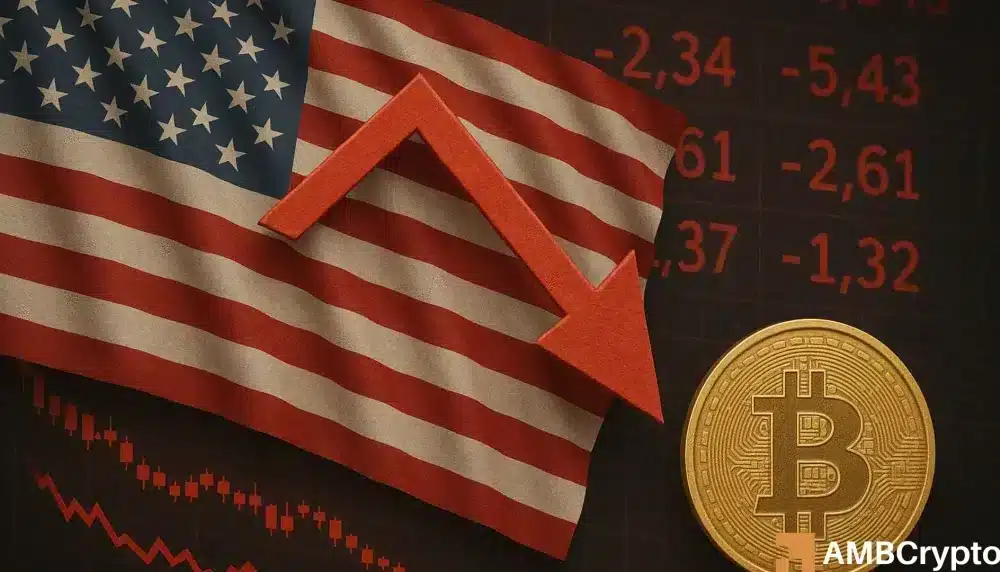
In a dramatic turn of events earlier this week, President Donald Trump’s unwavering stance on tariffs triggered a wave of volatility in both traditional financial markets and cryptocurrencies. His refusal to delay the impending July 9th tariff deadline reshaped investor sentiment, leading to sharp declines in major asset classes, particularly cryptocurrencies. Despite this turmoil, data indicates that a significant portion of Bitcoin holders remains in profit, reflecting underlying resilience in the cryptocurrency market.
Trump’s Firm Tariff Policies
In a recent statement on Bloomberg TV, President Trump reiterated his commitment to imposing strict tariffs, firmly stating, "No, I’m not thinking about the pause." This statement comes as ongoing trade negotiations with several countries, including Japan, seem to be at a standstill. The implications of Trump's tariff plans are significant, particularly as they contribute to a heightened sense of uncertainty in global markets. Investor confidence has dwindled, evidenced by a notable decline in U.S. equities, with the S&P 500 falling by 14 points shortly following Trump’s remarks.
Impact on Financial Markets
The immediate consequence of Trump’s tough trade rhetoric reverberated through various sectors. Following his comments, the cryptocurrency market was not immune to the turmoil. Bitcoin (BTC) experienced a downturn, witnessing a decline of over 1.5%, while Ethereum (ETH) faced an even steeper drop of 4%. Altcoins suffered more pronounced losses: Ripple (XRP) fell to $2.17—a drop of 5.24%—and Dogecoin (DOGE) slipped to around $0.75, down 3.5%. This market reaction underscores the sensitivity of investors to geopolitical developments, particularly those related to international trade.
Cautious Optimism in Other Markets
Despite the immediate sell-off in cryptocurrencies, signs of a cautious recovery began to emerge. The crypto community was abuzz with reactions to Trump’s statements, with one user remarking, “Great so we won’t have any deal, markets are gonna crash, economy is gonna be in the gutter… ‘Art of the deal’”. Yet, amid this apprehension, there was also speculation about potential trade breakthroughs, particularly with India. Trump mentioned a "different kind of deal" might be possible, suggesting a potential shift in negotiations that could favor U.S. economic interests without exacerbating trade tensions.
Economic Justification for Tariffs
Amid this uncertainty, some analysts are shedding light on the economic rationale behind Trump’s tariffs. A recent CNBC report highlighted that the tariffs have generated over $121 billion for the U.S., challenging previously held doubts about their efficacy. Advocates of the tariff policies argue that they are part of a broader strategy to ensure fair trade and competitive opportunities for U.S. businesses. This perspective is consistent with statements from figures like economist Robert Kiyosaki, who views the current dip in Bitcoin prices as a temporary setback rather than a long-term decline.
Bitcoin’s Resilience Amid Volatility
Despite recent market challenges, a compelling statistic has emerged: over 91% of Bitcoin holders remain in profit. This figure is a crucial indicator of the cryptocurrency’s underlying strength and the confidence of long-term investors in its potential recovery. Interestingly, fewer than 2% of BTC holders are currently facing losses, suggesting a robust bullish sentiment in the market. The resilience of Bitcoin and the broader crypto landscape indicates that investors are not solely influenced by short-term market volatility but are also positioning themselves for long-term gains.
A Changing Landscape for Investors
The intersection of tariffs and cryptocurrencies creates a complex environment for investors. While current tensions may prompt immediate reactions, the enduring strength of Bitcoin holders reflects a broader trend toward confidence in digital assets. As geopolitical factors continue to influence market dynamics, investors may prefer to adopt a longer-term perspective, particularly indicated by Kiyosaki’s assessment of dips as buying opportunities. As the market navigates these turbulent waters, both traditional markets and cryptocurrencies will need to adapt to the changing economic landscape while keeping an eye on developments in trade negotiations.
In conclusion, as Trump’s tariff policies create waves of uncertainty in the markets, both traditional investors and cryptocurrency holders face a challenging but potentially rewarding environment. The resiliency of Bitcoin makes it a focal point for those seeking to capitalize on price fluctuations, illustrating the complexities of investing in an era characterized by geopolitical tensions and evolving trade relationships.