


Advancing Crypto Legislation in the U.S.: The Push for the CLARITY Act
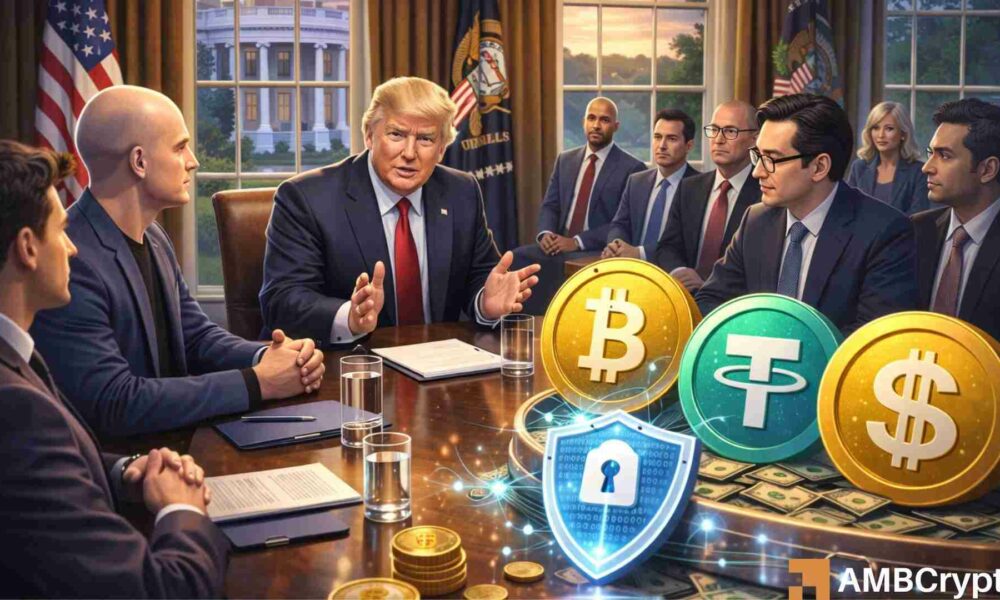
The U.S. crypto market is currently facing a pivotal moment as President Donald Trump seeks to advance the stalled crypto market structure bill known as the CLARITY Act. A meeting between the White House, crypto firms, and banks is scheduled for February 2nd. This dialogue aims to address the ongoing disputes concerning stablecoin yields, a contentious issue that has caused significant delays in the bill’s progression. By facilitating negotiations, the White House hopes to create a compromise that could reignite momentum for this critical legislation.
The CLARITY Act encountered a major setback in mid-January when Coinbase, a prominent cryptocurrency exchange, withdrew its support for the bill. The decision stemmed from what Coinbase described as "too many issues," including concerns over a proposed ban on stablecoin rewards and regulations surrounding tokenized securities. This withdrawal forced the Senate Banking Committee to postpone a previously planned vote on the draft bill. Such disagreements highlight the existing friction between crypto firms and traditional banking institutions, which has further complicated the legislative process.
In the aftermath of Coinbase’s withdrawal, the White House expressed its dissatisfaction and urged the exchange to reconsider its position and engage in negotiations. Amidst these developments, the Senate Banking group was redirected to focus on affordable housing policy, leaving the crypto bill sidelined. With various challenges such as winter storms, a looming government shutdown, and the upcoming midterm elections, many stakeholders worried that the CLARITY Act would face prolonged delays. However, recent updates suggest a renewed sense of optimism for progress.
The potential revival of the CLARITY Act signals a critical opportunity for the establishment of a comprehensive regulatory framework for the crypto industry. Experts identify this as one of the most significant regulatory efforts since the introduction of the stablecoin framework known as the GENIUS Act. Summer Mersinger, CEO of the Blockchain Association—a coalition that includes major crypto players like Coinbase, Kraken, and Ripple—expressed eagerness to work collaboratively with policymakers to achieve lasting market structure legislation. This sentiment reflects a growing optimism among industry leaders regarding the future of crypto regulations in the U.S.
During his 2024 campaign trail, Trump has garnered substantial support from the crypto sector and has pledged to deliver regulatory clarity for the industry. This political backing indicates that crypto firms are becoming increasingly influential in shaping legislation. To support pro-crypto candidates ahead of the midterm elections, the crypto super PAC Fairshake has amassed a war chest of $193 million. The funding dynamics of Fairshake, which has received financial backing from Coinbase, Ripple, and venture capital firm a16z, underscore the political potency of the crypto industry in the U.S. lobbying landscape.
In summary, Trump’s administration is focused on achieving a compromise regarding stablecoin yields to progress the CLARITY Act. The emergence of significant funding through the Fairshake super PAC highlights the strong support that pro-crypto candidates can expect in the upcoming November elections. The collective efforts of crypto firms and their political allies could lead to meaningful advancements in the regulatory landscape, marking a new chapter for the industry in the United States. As the industry navigates these challenges, the outcome of the CLARITY Act may define the trajectory of crypto regulations for years to come.