




Tether’s Major Support for Drift Protocol: A Path to Recovery After Exploit
Tether has recently announced its commitment to provide crucial support for the Drift Protocol following a significant exploit that occurred on April 1, which resulted in estimated losses of around $285 million. The stablecoin issuer is pledging up to $127.5 million as a part of a larger $150 million recovery plan aimed at revitalizing and relaunching the platform. This collaborative effort signifies a pivotal moment in Drift’s journey toward restoring user trust and operational integrity in the cryptocurrency landscape.
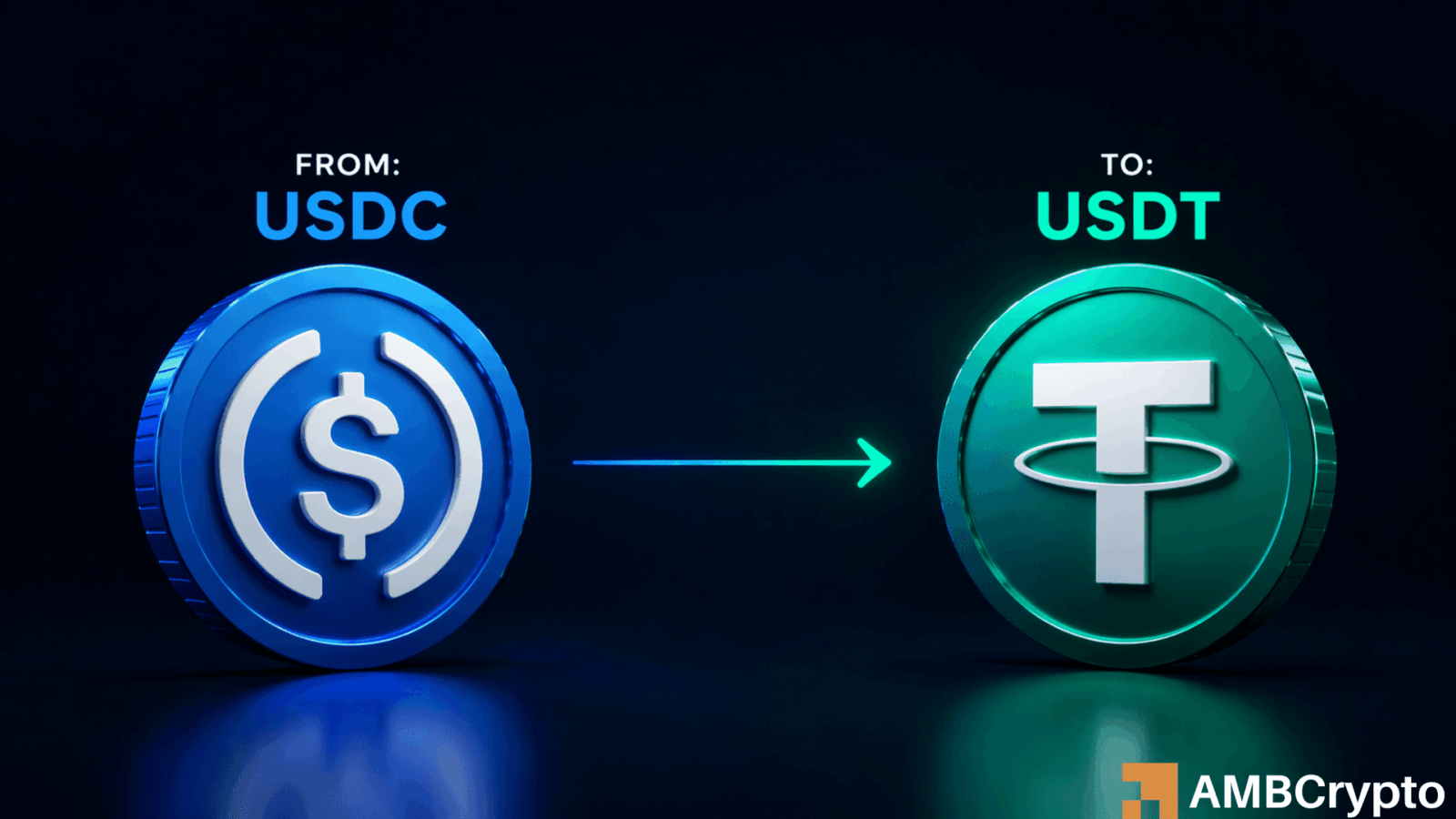
Transitioning from USDC to USDT
One of the most notable changes accompanying the recovery plan is the transition of Drift’s settlement infrastructure from USDC to USDT. This strategic shift will position USDT as the primary settlement asset within Drift’s trading ecosystem, particularly on the Solana blockchain. By integrating USDT, Drift aims to enhance liquidity access, which is crucial for attracting user activity post-exploit. This move reflects the platform’s responsiveness to the challenges posed by recent exploits and emphasizes the role of stablecoins in providing secure and efficient transactional capabilities.
A Revenue-Linked Recovery Model
Drift’s recovery strategy goes beyond merely relying on upfront funding. The framework is designed around a revenue-linked model that seeks to ensure affected users are reimbursed over time based on ongoing trading activity. By tying recovery directly to the exchange’s operational performance, Drift aims to create a sustainable pathway to financial restoration. This approach underscores the necessity for continued user engagement and trading volume, demonstrating that a full recovery may take time and is contingent on the platform’s successful relaunch.
Focus on Long-Term Stability
The restructured recovery process highlights the challenges Drift faces as it seeks to regain user confidence. The reliance on a revenue-linked model indicates an understanding that immediate payouts are not feasible in the wake of the exploit. Instead, Drift plans to progressively deploy additional funding based on its revenue, creating a situation where the users have the potential to see a gradual restoration of their balances. This strategic pivot highlights the importance of long-term planning in crisis recovery.
Addressing Stablecoin Scrutiny
In the wake of the exploit, the scrutiny of stablecoin infrastructures has intensified. Recent reports highlight concerns regarding how quickly stablecoin issuers can react to illicit fund flows, especially within cross-chain environments. By making USDT the primary settlement layer, Drift is acknowledging these concerns and is proactively positioning itself in a rapidly evolving regulatory landscape. This change aims to enhance the safety and efficiency of transactions on its platform, appealing to traders increasingly wary of security vulnerabilities.
Progress Toward Relaunch
Though Drift halted operations following the April exploit, recent announcements signal a positive trajectory toward relaunching. While a specific timeline has yet to be established for full operational resumption, the steps being taken indicate that the team is committed to recovering and enhancing its infrastructure. This journey not only involves financial recovery but also encompasses a broader commitment to user safety and operational stability.
Conclusion
In summary, Tether’s commitment of up to $127.5 million plays a significant role in Drift Protocol’s efforts to recover and relaunch following a catastrophic exploit. The transition from USDC to USDT as the primary settlement asset marks a strategic shift aimed at bolstering liquidity and user confidence. Furthermore, the revenue-linked recovery plan illustrates Drift’s innovative approach to restoring user balances while emphasizing long-term stability. As the platform gears up for its relaunch, ongoing developments will reveal how effectively it can navigate the challenges that lie ahead in the ever-evolving world of cryptocurrency.