



Can Solana Balance Scalability and Speed in a Quantum World?
The ongoing debate about whether blockchain technology can achieve both scalability and speed or if a compromise is inevitable has come to the forefront, particularly with Solana’s recent strategic moves. Known for its high-speed performance, Solana has capitalized on its capabilities to experience significant growth in its stablecoin market and transaction volume. The network’s ability to manage a high throughput and provide robust on-chain liquidity has allowed it to flourish, setting a standard in the decentralized finance (DeFi) sector. This article explores Solana’s de-dollarization efforts, technical fundamentals, and the recent challenges posed by quantum computing.
Solana’s De-Dollarization Push
Solana’s de-dollarization strategy highlights its ambition to diversify its stablecoin offerings and prepare for broader DeFi expansion. The latest data from Dune reveals a remarkable year-on-year increase, with unique senders of non-USD stablecoins on the network nearly tripling, driven primarily by the adoption of currencies like EURC and BRZ. This strategic pivot not only indicates Solana’s interests in mitigating reliance on the US dollar but also its commitment to becoming a key player in the global and decentralized financial landscape. This diversification supports an ecosystem that could potentially attract a wider user base, thereby accelerating Solana’s growth trajectory.
Technical Fundamentals of Solana
From a technical perspective, Solana’s robust infrastructure enables it to support complex financial activities while maintaining high performance. The network boasts impressive characteristics, such as high throughput, swift confirmation times, and strong on-chain liquidity—all essential for handling significant transaction volumes efficiently. According to metrics from Chainspect, Solana has processed 31 times more transactions than Ethereum, amassing an astonishing total of 106 billion transactions. With real-time transactions per second (TPS) reaching 1,191, compared to Ethereum’s 25.99 TPS, Solana has established itself as an industry leader in scalability and performance, making it an attractive option for developers and traders alike.
The Quantum Challenge
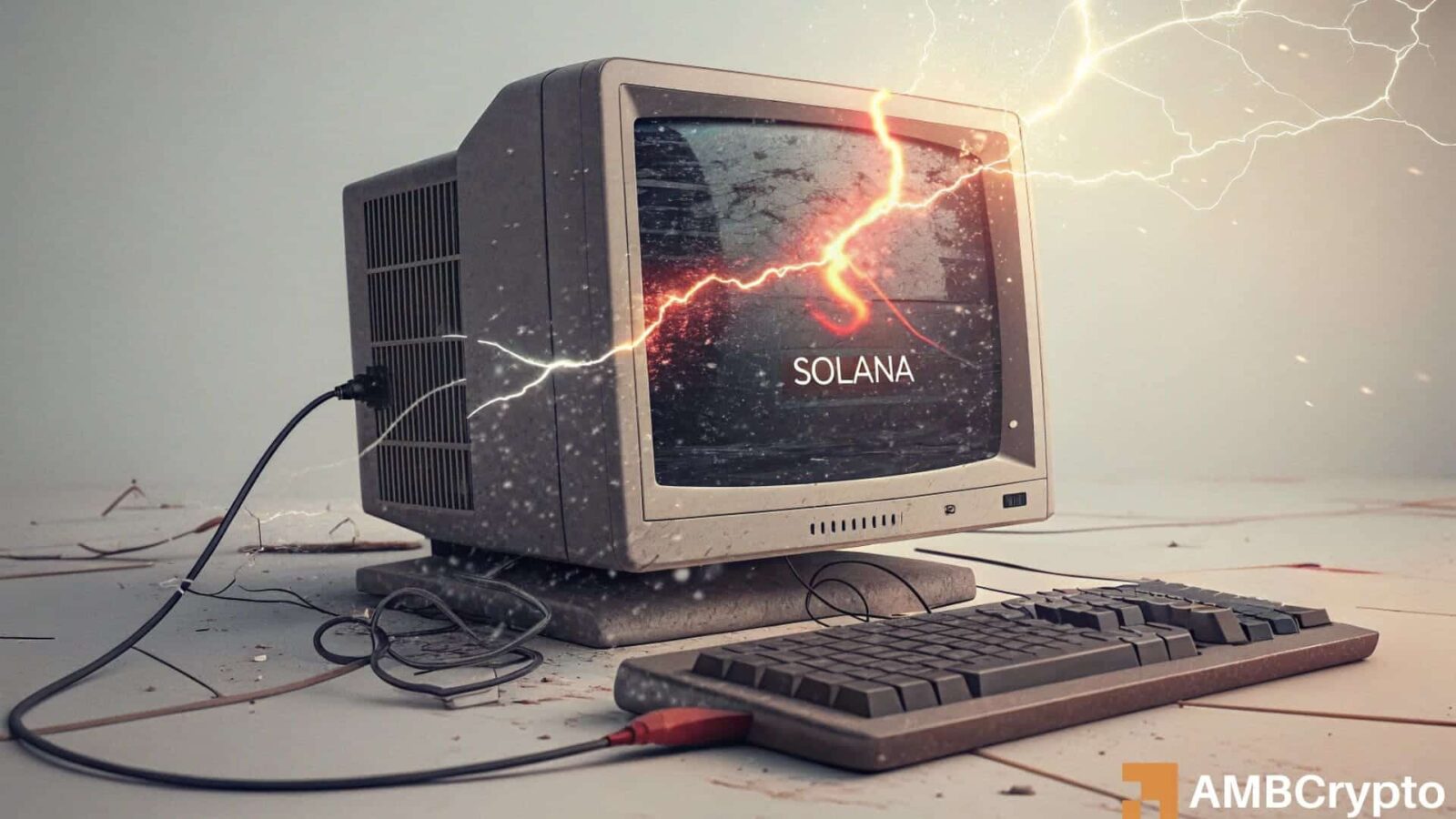
However, recent quantum testing has raised concerns about whether Solana can continue to maintain this edge while also focusing on security. The network’s collaboration with Project Eleven aims to implement quantum-safe signatures, protecting against potential threats from advanced quantum computing. Early tests indicate significant trade-offs, revealing that these signatures could lead to a transaction speed reduction of approximately 90%. This poses a profound challenge for Solana as it systematically confronts the prospect of compromising its defining attributes in the name of long-term security.
Speed vs. Security: The Big Trade-Off
As Solana navigates this delicate landscape, the trade-offs between speed and security become painfully evident. The network faces a critical decision: enhance security measures at the expense of speed or maintain its fast-paced transactions while accepting elevated risks. For a platform that has prided itself on speed as a core advantage, the implications of a 90% slowdown are substantial. This challenge may impede DeFi growth just as Solana competes against Ethereum and other blockchain platforms, calling into question its standing as a preferred choice in the crypto ecosystem.
Competing with Ethereum: A Tough Test
Solana’s scalability has previously translated into a competitive advantage over Ethereum across multiple metrics, from transaction volume to overall network performance. However, as the industry evolves, slowdowns could push Solana into a precarious position. If it cannot maintain its exceptional speed and robust security simultaneously, it risks ceding ground to rival blockchains that might adapt quicker to these emerging threats. Consequently, Solana is faced with the necessity to innovate and prove that it can remain fast, secure, and a leader in the fast-competitive landscape of decentralized finance.
Final Summary
In summary, Solana’s incredible capacity for high throughput and fast TPS has enabled it to handle significant transaction loads and support rapid DeFi growth, decisively outperforming Ethereum in critical metrics. Nevertheless, the recent pivot toward quantum-safe security introduces substantial challenges, with a potential 90% reduction in speed emphasizing the need for the network to find a balance between speed, scalability, and security. As the competition intensifies, particularly from Ethereum, Solana’s ability to adapt and innovate will determine whether it can maintain its leading edge in a rapidly evolving blockchain landscape.