




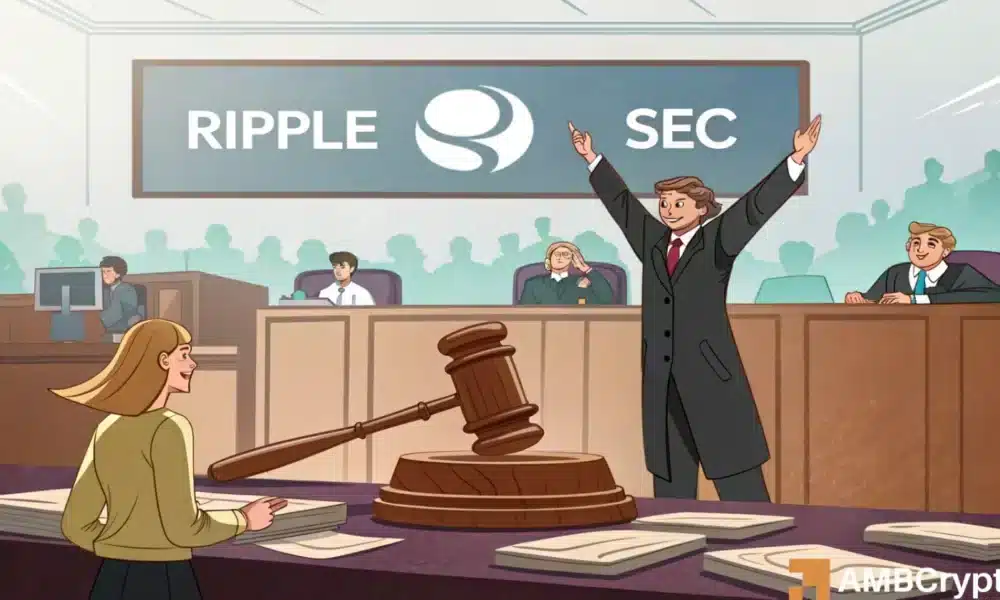
Ripple’s Legal Victory: A Turning Point for U.S. Crypto Regulation
Ripple Labs has recently emerged victorious in a pivotal legal battle against the U.S. Securities and Exchange Commission (SEC), creating ripples in the cryptocurrency landscape and setting a significant precedent for future regulatory frameworks. This momentous ruling not only underscores the complexities of crypto regulation in the U.S. but also highlights Ripple’s potential as a model for constructive industry collaboration and growth.
The Ripple-SEC Saga
The legal tussle between Ripple Labs and the SEC has been ongoing for more than four years, with Ripple accused of conducting an unregistered securities offering through its XRP token. However, the SEC’s recent decision to drop its case against Ripple signals a monumental shift in the regulatory environment. Stuart Alderoty, Ripple’s Chief Legal Officer, stated in a video that the SEC had effectively acknowledged the lack of clear legal definitions surrounding cryptocurrency. This revelation indicates not just a win for Ripple but for the entire crypto ecosystem, as it may pave the way for clearer legal guidelines moving forward.
Implications for Future Crypto Regulation
The SEC’s choice to step back from enforcement actions against Ripple and other crypto firms suggests that there is a newfound recognition of the urgent need for transparent rules. Ripple’s victory could prompt Congressional action aimed at developing comprehensive and intelligent regulations for the cryptocurrency industry. Alderoty emphasized that meaningful collaboration between industry stakeholders and lawmakers will be essential to create an environment that fosters innovation while safeguarding against fraud and misconduct.
Ripple’s Strategic Growth
While Ripple has found success in the courtroom, the firm is also experiencing notable growth in its business operations. Following the lawsuit resolution, Ripple made headlines with its $1.25 billion acquisition of Hidden Road, signifying its ambitions within the mergers and acquisitions space. As of the latest reports, XRP has shown slight fluctuations in its price, trading at approximately $2.20. This development is indicative of the broader optimism surrounding Ripple and its ability to navigate regulatory challenges effectively.
Delays in ETF Decisions
Despite Ripple’s commendable progress, the SEC’s ongoing delays regarding key crypto Exchange-Traded Funds (ETFs), including those for XRP and Solana (SOL), remain a point of contention. The SEC is expected to release decisions about Franklin Templeton’s spot ETFs by June 17. As both Ripple and the broader crypto market await these vital decisions, the outcomes could have critical implications for market dynamics and investor sentiment.
The Broader Crypto Landscape
Donald Trump’s return to the political sphere has undeniably affected the crypto landscape, prompting several firms to reassess their positions in light of shifting regulatory machinations. While many companies have embraced resolutions to longstanding disputes, Ripple’s fight illustrates the distinct challenges faced in this evolving arena. As the SEC grapples with how to regulate a rapidly changing market, Ripple’s legal win may serve as a catalyst for broader reforms that balance innovation with consumer protection.
A Future Driven by Collaboration
Ultimately, the resolution of Ripple’s legal case holds promise for a more structured approach to cryptocurrency regulation in the U.S. Chief Legal Officer Stuart Alderoty has called for intelligent and clear regulations to replace confrontation. This vision underscores the importance of collaborative policy-making as the industry moves away from litigation toward constructive engagement. As Ripple continues to forge ahead, it is poised to lead by example and catalyze a more favorable regulatory environment for all stakeholders in the crypto space.
In conclusion, Ripple’s victory not only strengthens its business narrative but also encourages a future where cryptocurrencies can thrive under clear and well-defined regulations. This shift could mark a turning point for the industry and help foster an environment conducive to innovation and ethical practices.