



NYSE Announces New Platform for Tokenized Securities Trading
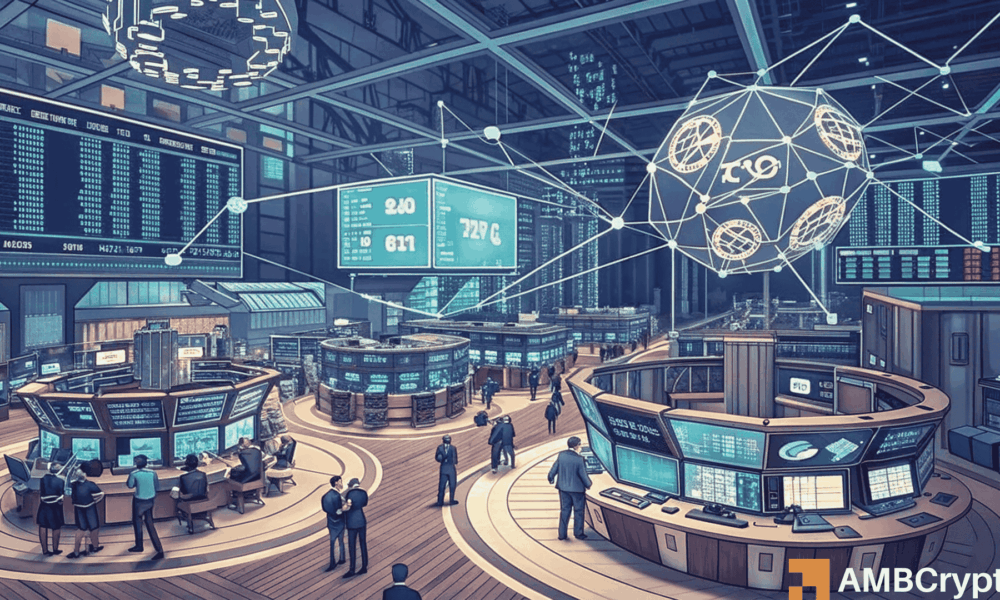
The New York Stock Exchange (NYSE) recently unveiled plans to create an innovative trading platform designed for the trading and on-chain settlement of tokenized securities. This strategic move aims to revolutionize U.S. equity and exchange-traded fund (ETF) trading by enabling 24/7 transactions, contingent upon regulatory approvals. As a key player in transforming traditional market structures, the NYSE is set to enhance accessibility and efficiency for investors through this groundbreaking initiative.
Continuous Trading and On-Chain Settlement
This new digital trading platform seeks to usher in a new era of continuous trading, eliminating the limitations imposed by traditional market hours that have long characterized the U.S. equities landscape. The NYSE anticipates that investors will benefit from the ability to trade tokenized securities around the clock, thereby expanding their opportunities and responsiveness to market fluctuations. Furthermore, utilizing blockchain technology will enable on-chain settlement, allowing for a much faster and more efficient process than conventional clearing methods.
Advanced Infrastructure and Multiple Blockchain Support
The NYSE’s infrastructure involves the integration of its advanced Pillar matching engine with state-of-the-art blockchain-based post-trade systems. This will support not only a seamless trading experience but also create a flexible environment adaptable to the evolving digital market landscape. The platform is expected to accommodate various blockchain technologies, including Solana and Ethereum, ensuring compatibility and versatility for its users as they conduct tokenized transactions.
Ensuring Fungibility and Investor Protections
One of the key features of tokenized shares on this platform is their full fungibility with traditionally issued securities. This means that each tokenized share will represent the same underlying asset, preserving the integrity and value of investments. Tokenized shareholders can expect to receive customary benefits such as dividends and governance rights, including voting powers, thus maintaining established investor protections. Access to the platform will be facilitated through qualified broker-dealers, ensuring that the distribution process adheres to non-discriminatory practices aligned with existing market structure principles.
A Strategic Move by Intercontinental Exchange
The initiative is part of a broader digital strategy outlined by Intercontinental Exchange (ICE), the parent company of the NYSE. ICE is preparing its clearing infrastructure to support this round-the-clock trading model and is also investigating the possibilities of utilizing tokenized collateral for margin and funding requirements outside conventional banking hours. By collaborating with major banking institutions like BNY and Citi, ICE aims to create a comprehensive ecosystem that allows clearing members to efficiently manage liquidity and funding across different time zones and jurisdictions.
Importance of Regulatory Approval
Despite the ambitious scope of the platform, it remains subject to regulatory approval—a key element in ensuring compliance with existing laws and investor safeguards. As emphasized by Lynn Martin, President of the NYSE Group, maintaining established regulatory standards while leading the industry toward “fully on-chain solutions” is paramount. As ICE executives highlighted, this venture symbolizes an ongoing shift towards blockchain solutions for every aspect of market infrastructure, encompassing trading, settlement, custody, and capital formation.
Conclusion: The Future of Market Infrastructure
The NYSE’s initiative signifies a pivotal transition in financial markets, moving away from pilot projects and establishing tokenization as an essential component of market infrastructure—rather than just a niche digital asset experiment. By prioritizing continuity between tokenized and traditional shares, the NYSE is not only enhancing accessibility for investors but is also reinforcing investor protection mechanisms. If successful, this platform may serve as a cornerstone for the future of trading in the digital economy, offering insights into how emerging technologies can reshape traditional financial markets.