


The Impact of One-Sided Trades: Analyzing Recent Market Movements
In the ever-changing landscape of the financial market, the impact of one-sided trades can create substantial ripples, as illustrated by recent shifts in precious metals and cryptocurrencies. In January, a significant influx of capital drove precious metals to multi-year highs, propelled by both safe-haven demand and speculative trading. However, as momentum waned and prices stabilized, the subsequent unwinding was swift. This resulted in gold experiencing an 8% pullback and silver facing a staggering 27% drop—a historical benchmark for a single day. In contrast, Bitcoin (BTC) maintained a relatively stable market position, suggesting a nuanced evolution in investor behavior and market sentiment.
Bitcoin Resilience: A Beacon Amidst Volatility
Despite the sharp declines in precious metals, Bitcoin exhibited remarkable resilience, drifting only 0.54% lower and holding above the critical $80,000 level. Furthermore, BTC dominance rose 0.70%, marking its strongest daily performance in two months. This resilience raises an intriguing question: could we be witnessing the initial phases of a capital rotation back into Bitcoin? An analysis of market sentiment reveals a growing inclination toward fear among investors. Additionally, on-chain data shows signs of capitulation as underwater BTC holders begin to exit their positions. Such indications could signify that investors are reconsidering their strategies, potentially shifting focus back to Bitcoin as an alternative store of value.
Altcoin Dynamics: A Cautionary Tale
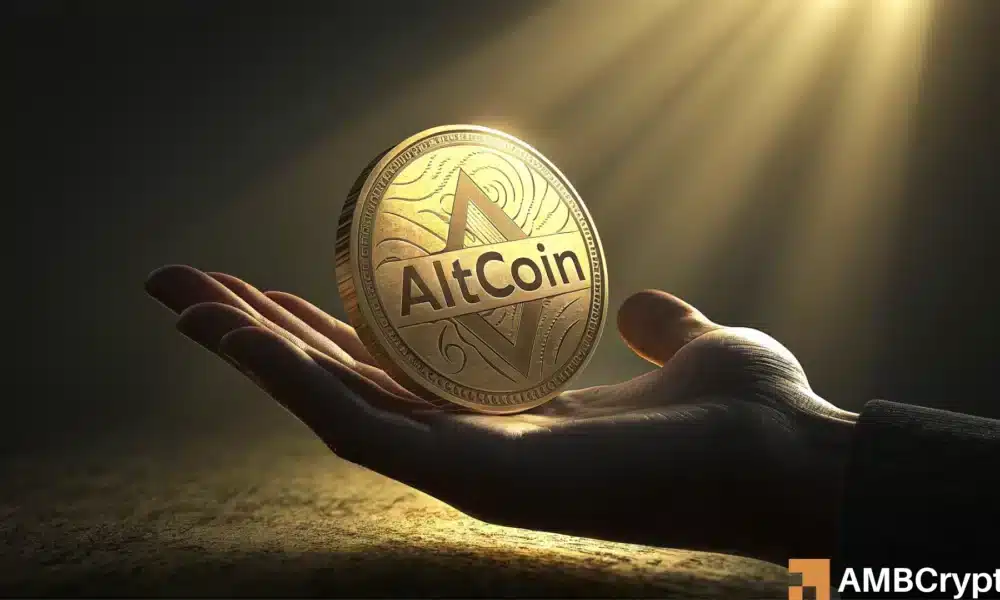
As the market recalibrates its risk-reward quotient, historical trends suggest that capital typically flows into altcoins when Bitcoin declines. However, this time around, the Altcoin Season Index remains hesitant, circling around 40, indicating a lack of risk appetite among traders. While past cycles saw altcoin investments surge during BTC downturns, the current scenario suggests that the market may be interpreting the recent downturn in metals as a reset rather than a migration towards cryptocurrency assets. Investors may be weighing the implications of the metals market reset too heavily to consider altcoins as viable short-term trades.
Technical Insights: What’s Next for Precious Metals?
The fundamental and technical analyses of precious metals, particularly gold, provide insightful perspectives amid the current market adjustments. Following a surge in buying pressure that pushed gold’s Relative Strength Index (RSI) above 90—an indicator of overbought conditions—the RSI has now settled around 50, suggesting that the market is aiming for equilibrium. This reset may not only stabilize the prices of precious metals, but it could also entice capital back into them over the short term. Importantly, if volatility persists, a revival in interest for metals could fortify their standing as a hedge against market turbulence.
A Cautious Outlook for Altcoins
As the market continues to absorb the repercussions of heavy sell-offs, it becomes increasingly clear that the current phase may be more of a corrective pause rather than a full-scale risk-off event. This context evidences that capital remains primarily aligned with precious metals. The ongoing capitulation in Bitcoin and the absence of a rotating influx into altcoins indicate that investors perceive the metals market’s volatility as a short-lived setback, delaying any significant rally for altcoins in the near future—especially as we look toward 2026.
Concluding Thoughts: The Future of Market Movements
The recent market behavior underscores a pivotal moment for both precious metals and cryptocurrencies. While significant outflows have occurred, the general sentiment hints at a corrective phase rather than a definitive shift away from risk assets. As Bitcoin grapples with internal capitulation dynamics, the market’s focus may remain squarely on metals for the time being. The hesitance to pivot into altcoins suggests that the anticipated altcoin rally in 2026 could face hurdles, leaving investors to strategically reposition within a redefined market landscape, eager to ascertain the stability of their investments.
In conclusion, the interplay between metals and cryptocurrencies is astutely influencing investor sentiment and market actions. Observers will need to keep a close eye on future trends in order to navigate the complex terrain of risk, reward, and overall market dynamics.