



The Rise of Lido’s Buyback Program: What It Means for LDO Investors
Lido, an Ethereum-based staking platform, has recently launched a buyback program that mirrors the strategies employed by other leading DeFi platforms like Uniswap. This decision signals an exciting shift in the token’s management and aims to enhance its long-term viability, all while catering to current market conditions. Understanding the rationale behind this move, how it affected the cryptocurrency’s price, and its implications for the wider DeFi landscape is crucial for investors and stakeholders alike.
Why Lido is Embracing the Buyback Trend
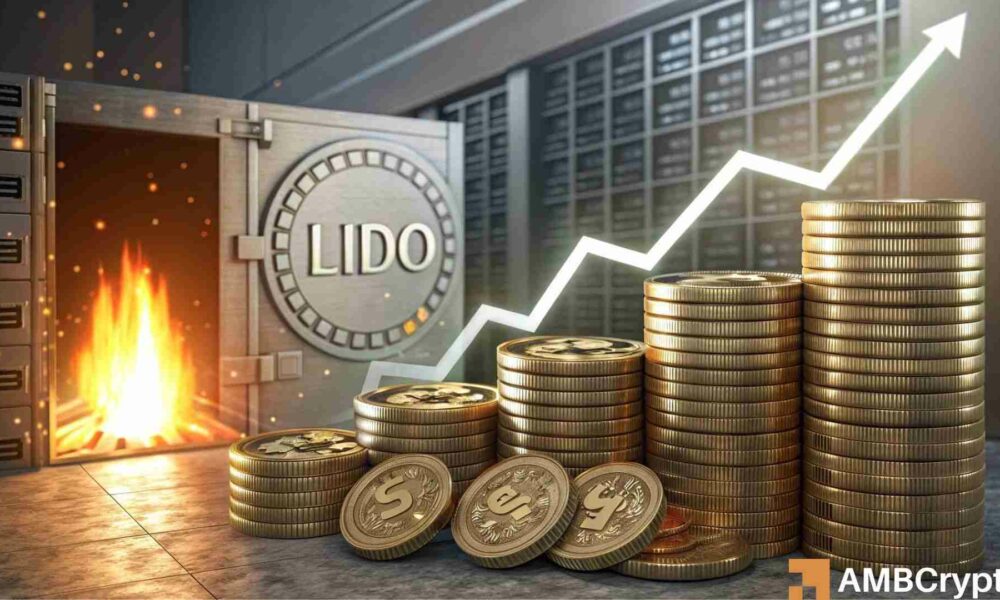
Lido’s buyback initiative is designed to strategically reduce the circulating supply of its LDO tokens and improve on-chain liquidity. Funded by staking revenue, the program is contingent upon specific market conditions: the price of ETH must remain above $3,000, the platform must generate revenue exceeding $40 million annually, and the buyback will be capped at $10 million. This approach follows an anti-cyclical strategy, allowing Lido to capitalize on bullish market conditions while being more conservative during downward trends. As the market fluctuates, the intention is to bolster the token’s stability and ensure its long-term health.
Market Reactions to the LDO Buyback Announcement
Following the announcement of the buyback program, the price of LDO saw a significant decline, dropping 9% in a sliding market. Despite this immediate downturn, on-chain data suggests a divergence in investor sentiment. Long-term accumulation trends indicate a bullish outlook among dedicated investors. Interestingly, while the LDO token’s price has slipped from $1.50 to below $1 in recent months, off-exchange supply has grown by 37 million tokens, totaling 865 million. This suggests that many investors are choosing to hold onto their LDO tokens, clearly indicating confidence in the asset’s future.
Accumulation Trends Among Investors
The buyback strategy has led to a notable increase in long positions among top traders on major exchanges like Binance; they increased their positions by 2%, bringing the total to 66%. This collective behavior underscores a shared positive sentiment toward LDO, hinting that experienced traders see potential in the token post-announcement. Such patterns of accumulation among long-term holders often point to a belief in an asset’s value, especially given Lido’s growing footprint in the liquid staking market.
Lido’s Growth and Market Positioning
Since its launch in 2020, Lido has continually positioned itself as a leading player within the decentralized finance (DeFi) space, allowing users to stake ETH, earn rewards, and leverage stETH for liquidity in DeFi protocols. At its peak, Lido commanded over 30% of the total ETH staked, a dominance that raised concerns about centralization in the Ethereum network. Today, Lido holds approximately 23% of the liquid staking market share and boasts impressive annual revenues of around $94 million, contributing to a cumulative total of $284 million since inception.
Long-Term Viability of the Buyback Program
The proposed annual buyback cap of $10 million raises important discussions regarding Lido’s long-term strategy. DeFi analysts estimate Lido will repurchase around $4 million worth of LDO tokens annually, equating to roughly $333,000 each month. Critics, however, argue that these targets seem relatively conservative compared to competitors eyeing over $30 million in monthly token purchases. The effectiveness of Lido’s buyback program largely hinges on achieving the stipulated revenue thresholds and maintaining a favorable price for ETH, which may impact the program’s overall success.
Conclusion: A Step Forward for Lido and Its Investors
Lido’s implementation of a buyback program signifies a strategic effort to stabilize its token’s market performance and improve liquidity under varying market conditions. While the immediate impact saw LDO prices drop, the longer-term outlook appears positive among investors who continue to accumulate. As Lido navigates its role in the ever-evolving DeFi landscape, the success of this buyback initiative may set precedents for similar strategies across various platforms, ultimately benefiting Lido’s ecosystem and its investors in a manner that fosters both resilience and growth.
This buyback program not only positions Lido favorably against its competitors but also enhances its reputation among investors seeking stable and profitable investment avenues in the DeFi space. With its focus on long-term sustainability, Lido aims to create a robust foundation for continued success in the rapidly changing world of cryptocurrency.