



Grayscale’s Bold Move: Confidence in AI Token and the Rising Bittensor Subnet Economy
In an impactful announcement, Grayscale Investment has expressed a significant vote of confidence in the AI token, TAO. Despite maintaining a stable composition for its investment fund—without adding or removing other assets—the firm has raised the allocation for TAO from 31.35% to an impressive 43.06%. This strategic decision highlights the growing importance of artificial intelligence within the cryptocurrency market and positions Grayscale as a key player in shaping the future of AI-driven assets.
While Grayscale’s adjusted focus on TAO is notable, the shifts among other assets in their portfolio are equally striking. The NEAR Protocol’s share declined from 26.54% to 24.43%, reflecting a loss of confidence that could be concerning for its investors. Similarly, Filecoin (FIL) saw its weight decrease from 13.77% to 9.86%, while The Graph (GRT) and Story (IP) also experienced reductions in their holdings. However, Render (RENDER) was an exception, experiencing a minor uptick to 15.77%. These fluctuations point towards a particular market sentiment favoring AI tokens over more traditional cryptocurrencies within Grayscale’s diverse portfolio.
Grayscale’s commitment to innovation is further demonstrated by its recent decision to file an updated registration statement with the U.S. Securities and Exchange Commission (SEC) for a Bittensor-based investment product. The proposed Grayscale Bittensor Trust aims to directly hold TAO tokens, paving the way for a future exchange-traded fund (ETF) once it gains regulatory approval. This strategic move underscores the increasing interest in decentralized technologies and AI among institutional investors and highlights the regulatory landscape’s critical role in this evolving sector.
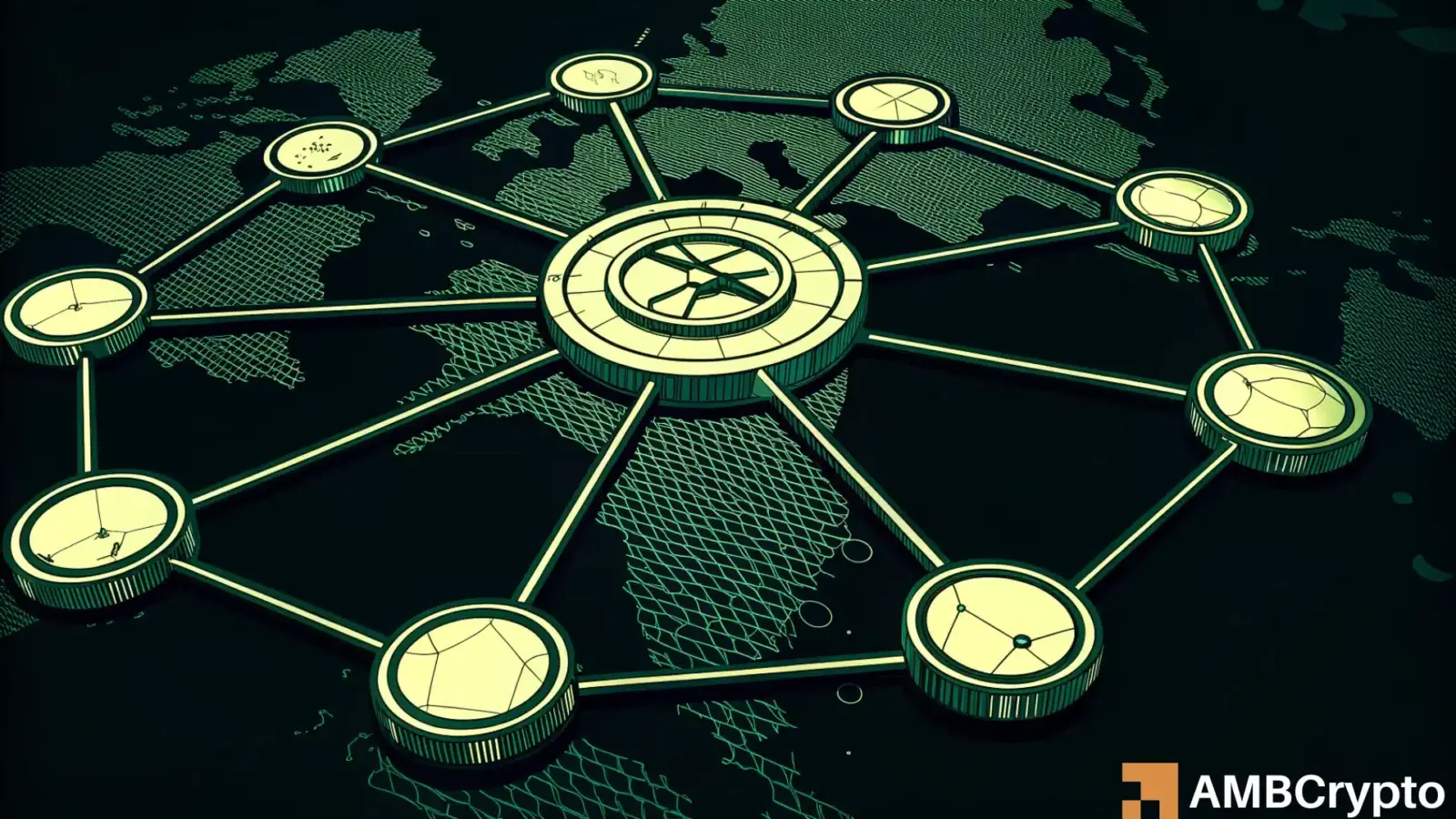
The backbone of this burgeoning interest is the expanding Bittensor subnet economy, currently boasting a valuation approximately at $6.2 billion. With the network now encompassing 128 independent AI-focused subnets, the utility narrative around TAO is becoming increasingly robust. For instance, Targon Compute, one of these subnets, recently reported generating $105,000 in revenue over just a week, hinting at an impressive annualized run rate of around $5.5 million against a modest fully diluted valuation (FDV) of $82 million. This indicates that even smaller players within the Bittensor framework can achieve significant financial success, enhancing the overall value of the ecosystem.
Currently, TAO has been trading around $321.74, marking a daily gain of 3.70%, although it peaked earlier at $329.95. While the overall upward trend initiated in mid-March remains intact, the price seems to be stabilizing just below the resistance levels of $330 to $360. Analysis from indicators like the Relative Strength Index (RSI) points to a potential bullish momentum without reaching overheating levels, indicating that traders may still have room for action. Conversely, the Moving Average Convergence Divergence (MACD) shows some weakness as the signal line overtakes the MACD line, creating a slight divergence that investors might want to watch closely.
In summary, Grayscale’s significant increase in TAO’s portfolio weight and the ongoing development of Bittensor’s subnet economy present a compelling case for an AI-focused future in cryptocurrencies. The systemic growth of TAO’s ecosystem, driven by independent subnets generating real revenue, lends credence to a bullish sentiment surrounding the asset. As AI continues to carve out its niche in the crypto space, stakeholders and investors alike will likely keep a close eye on these unfolding developments, striving to understand how this convergence may shape the landscape of digital assets moving forward.