



Title: IRS Proposes Overhaul of Crypto Tax Reporting: A Step Towards Streamlined Compliance
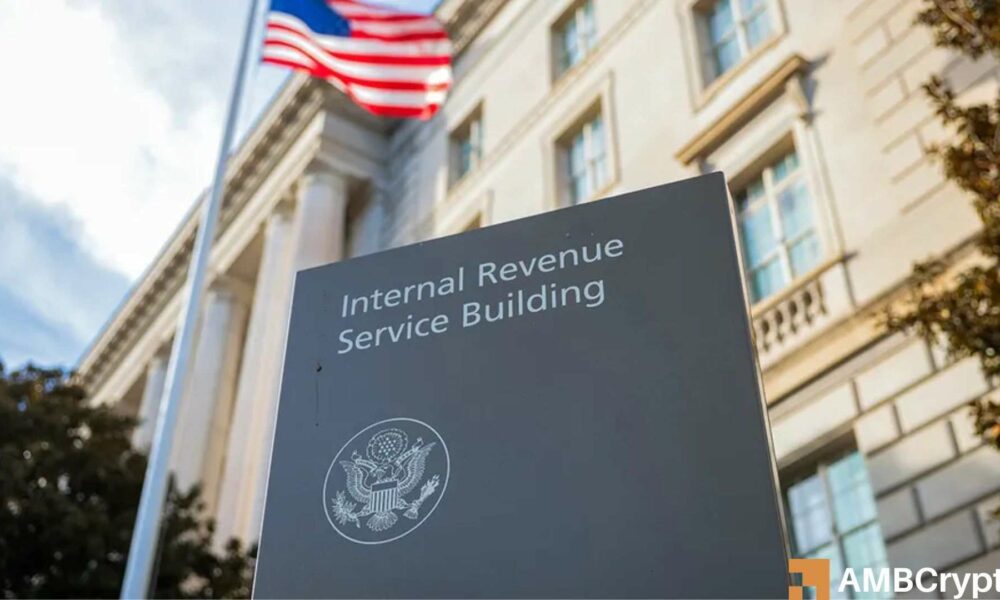
The U.S. Treasury and the Internal Revenue Service (IRS) are taking significant steps to rework the crypto tax reporting landscape, introducing a proposal that aims to ease the compliance burden on crypto brokers. Currently, the IRS mandates that brokers, which include exchanges and other cryptocurrency platforms, submit two separate tax forms—one to regulators and another to the customers. This existing system can become unwieldy, especially for platforms managing over a million users, necessitating the mailing of an overwhelming number of paper tax forms. The proposed change to electronic delivery by default could streamline this process and reduce costs for brokers, reflecting a necessary modernization in how crypto transactions are reported.
Under the new proposal, the IRS seeks to eliminate physical mailing of tax forms entirely, opting instead for default email delivery. This change comes as a welcome shift for many in the crypto space, aiming to simplify an otherwise complex and costly requirement for brokers. With stakeholders given a 60-day period to provide feedback on the proposed changes, it’s recognized that this initiative could significantly ease the regulatory burden. By reducing paper-based communication, the IRS not only minimizes environmental impact but also accelerates the distribution of essential tax information to users, fostering a more efficient reporting process in an increasingly digital economy.
Despite the proposed changes in tax form delivery, broader issues surrounding crypto taxation remain unresolved, particularly with respect to crypto staking. U.S. investors currently grapple with the challenge of double taxation on staking rewards, which could discourage participation in staking activities. As it stands, the IRS categorizes these staking rewards as taxable income upon receipt, meaning that if an investor earns one Ethereum (ETH) as a reward, they are immediately subject to income tax based on its current value, which could be around $2,000. If they later decide to sell that Ethereum for a profit, capital gains tax is also applied, resulting in a potentially steep tax burden on what seems like a single investment.
Congressman Mike Carey has emerged as a prominent advocate for reform in this area, urging the IRS and the U.S. Treasury to clarify the tax treatment of crypto staking. In a recent House committee hearing, Carey underlined the importance of making the U.S. the global hub for cryptocurrency by aligning tax codes to support initiatives in mining and staking. He emphasized that reform is crucial for promoting the growth of the industry domestically. In response, IRS CEO Frank Bisignano indicated that the agency would soon provide insights on ongoing reviews and the prospective handling of staking rewards for tax purposes. The outcome of this review may determine whether miners and stakers receive the tax relief they seek.
The push for tax reform comes at a time when criticisms regarding double taxation in the cryptocurrency space are increasing. Advocates assert that this punitive tax structure may drive investors towards offshore jurisdictions with more favorable tax regulations regarding crypto staking and mining, countering the U.S. government’s attempts to maintain a competitive landscape for cryptocurrency. The IRS’s consideration of these issues during its comprehensive review underscores a broader understanding of the dynamics at play in the cryptocurrency market.
To summarize, the IRS’s proposal for an electronic delivery system for crypto tax reporting represents an important and potentially transformative change aimed at reducing compliance burdens for brokers. However, it is equally important to address the lingering issues surrounding the taxation of crypto staking and mining rewards to create a more favorable environment for U.S. investors in the cryptocurrency market. Only by resolving these areas will the U.S. be able to establish itself as a thriving center for cryptocurrency innovation, as envisioned by industry advocates like Congressman Carey. As the IRS continues its review and stakeholders have their say, the future of crypto tax policy remains an area of keen interest and significant impact on the U.S. cryptocurrency landscape.