


Upbit Strengthens Security Measures in Wake of Solana Breach: A Turning Point for South Korea’s Crypto Industry
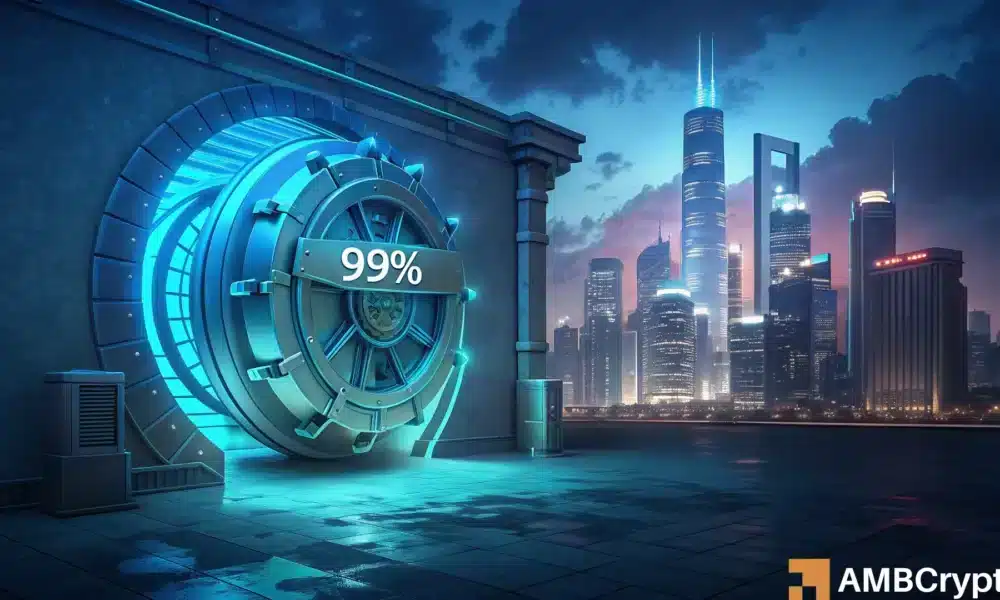
On December 10, 2025, South Korea’s leading cryptocurrency exchange, Upbit, made headlines by raising its cold-storage asset ratio to an impressive 99%. This decisive action comes in response to a recent multimillion-dollar breach involving Solana-based tokens, which saw hackers draining funds in a mere hour. Upbit’s proactive approach signifies a significant shift towards heightened security in the nation’s cryptocurrency landscape, as it propels its cold-storage holdings well above Korea’s legal requirement of 80%, placing it ahead of many global competitors like Coinbase and OKX.
A New Era of Security
Dunamu, the operator of Upbit, is taking a bold step by transferring nearly all customer assets into cold storage, thus minimizing the risk associated with hot wallets, which are more vulnerable to hacking attempts. Under the new strategy, Upbit aims to keep less than 1% of its assets in hot wallets, a move that not only prioritizes user security but also reinforces the importance of robust risk management in the volatile cryptocurrency market. This initiative is one of the most aggressive responses to cybersecurity threats within the crypto industry and highlights the growing recognition of the need prioritizing customer asset safety.
Regulatory Pressures for Enhanced Accountability
The breach at Upbit has prompted South Korean regulators to consider implementing stringent liability standards for cryptocurrency exchanges. The Financial Services Commission (FSC) is evaluating a framework that would require exchanges to compensate users for losses incurred due to hacking or system failures, even if the exchange is not directly at fault. Such regulations indicate a major step towards improving consumer protection within the digital assets sector, aligning it more closely with the accountability norms that banks and electronic payment firms adhere to. This shift in regulatory approach is crucial for enhancing user trust in the crypto ecosystem, especially following high-profile security incidents.
The Push for Stablecoin Regulations
In addition to tightening security measures, South Korean lawmakers are racing to finalize a comprehensive framework for stablecoins. As of the December 10 deadline, there were expectations of a draft bill being submitted, with warnings that the parliament might proceed without regulatory input if delays occur. The ruling party anticipates addressing the stablecoin proposal during the extraordinary session of the National Assembly in January 2026. While discussions have been held regarding the participation of banks in issuing a won-backed stablecoin, no final decisions have yet been made. Nonetheless, the urgency surrounding this legislation underscores the rising interest in integrating stablecoins into the broader financial ecosystem.
The Broader Implications for the Crypto Market
Upbit’s move towards stronger security protocols and the impending regulatory changes signal a broader transformation in South Korea’s cryptocurrency market. As exchanges adapt to the evolving landscape and new regulatory requirements, they will likely focus more on user protection and risk management strategies. This transformation is crucial for building a resilient cryptocurrency ecosystem where users feel secure and confident in their investments. Additionally, businesses that adapt quickly to these changes may establish a competitive advantage over their counterparts who lag in compliance and security measures.
Conclusion: A Security-First Future
Upbit’s decision to elevate its cold-storage ratio to 99% represents a pivotal moment in South Korea’s cryptocurrency market—a clear commitment to safeguarding user assets amidst growing cybersecurity threats. Coupled with potential regulatory frameworks that impose stricter liability on exchanges and the impending development of stablecoin regulations, the country is stepping into a new security-first paradigm. This evolving landscape is likely to forge a more reliable environment for both investors and traders, marking a significant progression in the maturation of the digital asset sector in South Korea. As this evolution unfolds, all eyes will be on how exchanges and regulators navigate this critical juncture, ensuring that security and consumer trust remain at the forefront of the cryptocurrency narrative.