



The Impact of Cryptocurrency on Iran’s Economic Strategy: A Deep Dive into USDT and Local Currency Dynamics
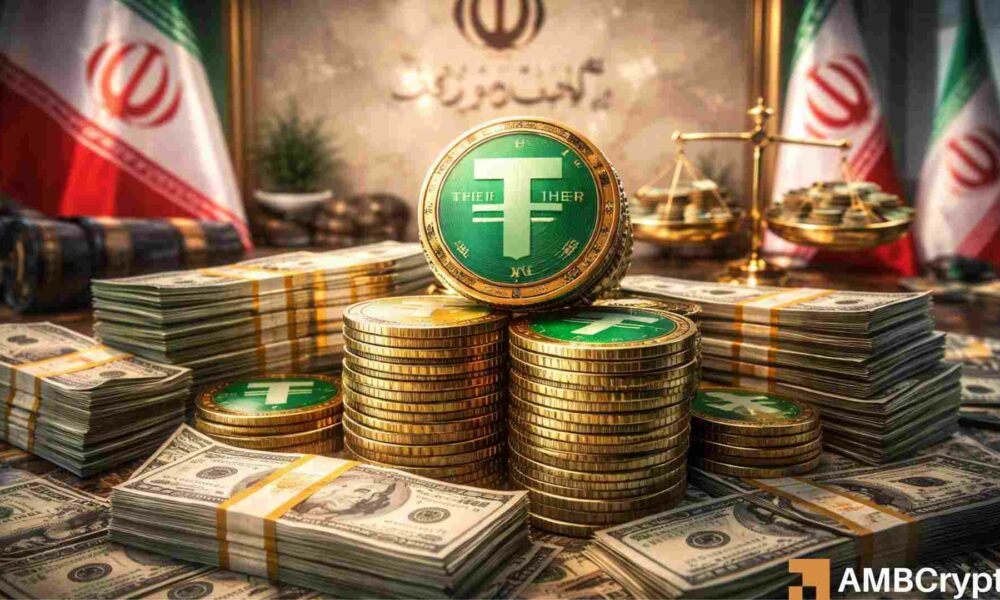
Iran’s ongoing economic crisis has led to innovative uses of cryptocurrency, particularly Tether’s USDT, a dollar-backed stablecoin. To combat the severe depreciation of its local currency, the Rial, the Central Bank of Iran (CBI) turned to USDT as a financial tool. According to recent research from analytics firm Elliptic, the CBI’s strategic decision to purchase $507 million in USDT aimed to bypass international sanctions while simultaneously supporting the ailing Rial. This burgeoning narrative reveals how crypto can serve as both a lifeline for citizens and a tool for government economic strategies amid challenging times.
Monetary Tool or Lifeline for the Public?
The CBI’s purchase of USDT was executed through Emirati Dirhams (AED) and transacted via Nobitex, Iran’s largest cryptocurrency exchange. This multi-step strategy allowed the central bank not only to acquire dollar liquidity but also to bolster the local foreign exchange market. The presence of USDT on Nobitex made it possible for users to save their holdings or exchange it for Rial, which played a significant role in stabilizing currency fluctuations. The report emphasizes that this route was aimed at injecting US dollar liquidity into the local economy, which had been struggling due to a staggering 50% depreciation over a short period.
The Nobitex Incident and Its Repercussions
While the initial strategy appeared to yield positive results, as evidenced by signs of Rial strengthening against the USD between April and May 2025, a major setback occurred in June of the same year. Nobitex fell victim to a significant hack attributed to a group with ties to Israel, resulting in over $80 million being stolen. This breach not only caused financial loss but also forced the CBI and everyday Iranians reliant on the platform to reevaluate their tactics. Compounding these issues, Tether took action by blacklisting several verified CBI wallets, freezing over $37 million USDT, further complicating the situation for the Iranian government.
Decentralization as a Countermeasure
In light of the Nobitex hack and the subsequent financial upheaval, the Iranian government quickly pivoted its strategy. They began exploring decentralized exchanges and diversifying their holdings by swapping USDT for other cryptocurrencies to circumvent sanctions more effectively. This move indicated a shift towards more resilient and less hack-prone financial structures, highlighting the evolving landscape of crypto as a tool for economic survival. Despite the precarious situation, the government’s experimentation underscores the versatility of cryptocurrency, acknowledging its potential for both sanction evasion and market stabilization.
Public Response: A Shift to Self-Custody
On the other hand, ordinary Iranians responded to the hacking incident with caution, transitioning their funds into more secure options such as Bitcoin and storing them in personal wallets. This shift symbolized a growing trend towards self-custody among the Iranian populace, demonstrating a desire for financial sovereignty amid a landscape plagued by government mismanagement and currency collapse. The uptick in local crypto volumes soared to over $7 billion during protests against government policies, illustrating how cryptocurrencies are increasingly seen as a buffer against local economic volatility.
The Irony of Transparency in Blockchain Technology
While cryptocurrencies like USDT provided a temporary reprieve for the Iranian government, they also introduced complications. The very nature of blockchain technology offers transparency, which poses challenges for state actors trying to bypass sanctions. The freezing feature of stablecoins like USDT made it evident that such resources were not immune from international scrutiny, revealing an inherent irony in the Iranian government’s attempts to exploit the technology for their economic benefit. It highlights the delicate balance between leveraging crypto and the controlling mechanisms that accompany it.
Conclusion: Lessons Learned
Through the Central Bank of Iran’s foray into cryptocurrency and its impacts on the Rial, we can observe both the immense potential and limitations of using digital assets as state-level economic tools. The acquisition of over $500 million in USDT briefly seemed a promising avenue for stabilizing the Iranian economy, but the traumatic events surrounding the Nobitex hack shattered that illusion. Moving forward, both the government and the Iranian public must navigate a complex interplay between innovative financial technology and the inherent risks associated with volatility and transparency, particularly in a landscape marked by sanctions and global economic pressures.
In summary, Iran’s unique blend of cryptocurrency application illustrates important lessons for countries navigating similar economic situations, emphasizing the need for resilience, security, and strategic adaptability in leveraging new financial technologies.