




Crypto Market Structure Bill: Current Status and Challenges Ahead
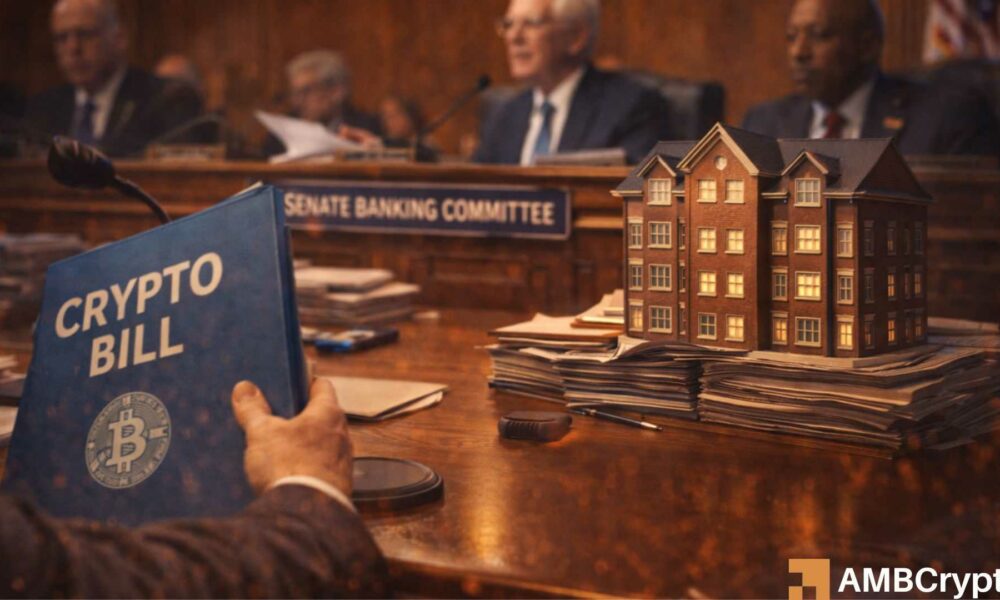
The anticipated crypto market structure legislation, known as the CLARITY Act, faces delays potentially extending to late February or March. The Senate Banking Committee, which oversees the securities and SEC components of the bill, is currently redirecting attention toward the affordable housing agenda spearheaded by U.S. President Donald Trump. Reports from Bloomberg suggest that this shift could push back the crypto legislation by several weeks, heightening uncertainties surrounding its passage.
The push for this significant regulatory framework initially encountered hurdles when Coinbase, a major player in the crypto space, suspended its support in mid-January. Coinbase cited numerous concerns, particularly regarding prohibitions on stablecoin yields, which has drawn divided opinions within the broader crypto community. Some stakeholders advocate for the "no bill is better than a bad bill" philosophy, reflecting a cautious approach to hastily passed legislation that may not align with the industry’s best interests.
Conversely, the banking sector has consistently raised alarms about the risks presented by stablecoin rewards, particularly their implications for community banks and rural financial institutions. This ongoing contention over stablecoin yields can be seen as a pivotal point in negotiations. The current focus on housing policy may allow legislators more time to deliberate and secure a compromise on this contentious issue, a move that could ultimately dictate the fate of the crypto bill.
David Sacks, the White House’s Chief of AI and Crypto, remains optimistic about the bill’s prospects. He emphasized the importance of finding a compromise that paves the way for the legislation to reach the President’s desk. Despite the current stalemate, Sacks insists that the bill isn’t “dead” and draws parallels to the GENIUS Act, which faced numerous challenges before finally becoming law. This commentary underlines the belief that obstacles can be overcome through effective dialogue, even when bipartisan consensus seems daunting.
In tandem with these developments, Patrick Witt, Trump’s crypto advisor, echoed the urgency for unity in the crypto community, urging leaders like Coinbase to avoid letting perfection hinder progress. Witt’s remarks emphasize the notion that some legislative framework, even if not flawless, is preferable to inaction. While discussions for a potential compromise are ongoing, specifics have yet to be made public, leaving the timeline for the bill’s approval uncertain.
Adding to the complications, the Senate Agriculture Committee, which is responsible for the commodity and CFTC aspects of the bill, failed to secure bipartisan support during its two-week markup delay. Chair John Boozman (R-AK) has expressed commitment to moving forward without Democratic input on January 27th. However, forging ahead without a broad consensus poses challenges in gathering the necessary 60 votes to pass the bill out of committee.
Conclusion
The road ahead for the CLARITY Act remains fraught with uncertainty. While White House officials advocate for compromises regarding stablecoin yields, the Senate Agriculture Committee’s inability to secure bipartisan support could hinder the bill’s momentum. With time running short, stakeholders will need to navigate complex political landscapes and work toward a solution that addresses both crypto and banking concerns. As discussions evolve, the hope remains that a clear, effective regulatory framework will emerge, balancing innovation with safety in the volatile crypto market.