



US Senate Agriculture Committee Advances Digital Asset Market Structure Legislation
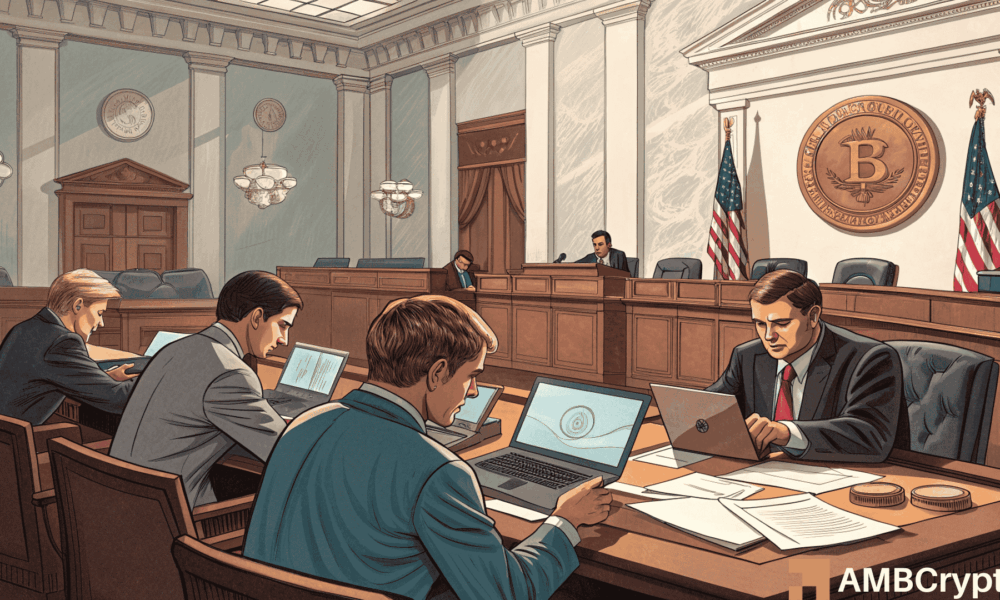
The US Senate Agriculture Committee has recently greenlit critical legislation aimed at establishing a clearer framework for digital assets in the market. This forward progress is encapsulated in the Digital Commodities Intermediary Act, which stands to significantly reshape the regulatory landscape for cryptocurrencies and digital commodities in the United States. Senator Cynthia Lummis announced the favorable vote on social media platform X, underlining that the approval brings the bill "one step closer" to reaching the President’s desk. As it moves beyond this essential committee stage, the legislation is now poised for broader debate in the full Senate.
Clear Regulatory Framework for Digital Commodities
The primary goal of the Digital Commodities Intermediary Act is to create a comprehensive regulatory structure around digital commodity intermediaries. Given the Senate Agriculture Committee’s oversight of commodities markets and the Commodity Futures Trading Commission (CFTC), the committee is positioned at the forefront of ongoing discussions regarding federal regulation of digital assets. The bill focuses notably on governance of the spot market, which has become increasingly pertinent as cryptocurrencies gain traction and prominence in the financial ecosystem. This clearer framework aims to mitigate ambiguity and promote smoother operations for market participants.
Key Amendments Enhance the Legislative Scope
The recent committee meeting, held on January 29, involved a thorough markup session where lawmakers assessed numerous amendments that expanded the original focus of the legislation. Some of these first-degree amendments introduced topics like ethics rules for federal officials, national security measures concerning foreign adversaries, and consumer protection protocols. Notably, additional amendments clarified the CFTC’s authority over registered intermediaries, enhancing regulatory oversight in an era where digital assets are rapidly evolving. These changes not only bolster the legislation but also reflect a broader understanding of the complexities associated with digital commodities.
Progress Toward Full Senate Consideration
The approval from the Senate Agriculture Committee marks a pivotal procedural achievement, allowing the Digital Commodities Intermediary Act to move closer to full Senate consideration. Although the outcome in the full Senate remains uncertain, this committee approval has alleviated a significant bottleneck that has hampered previous legislative attempts to reform the cryptocurrency market structure. As the bill progresses, it can be scheduled for debate in the Senate, giving lawmakers the opportunity to propose further amendments and reconciliations to address any differences with similar initiatives being pursued in the House.
Potential Challenges Ahead
Despite the advancement of the legislation, complexities remain to be navigated in the coming weeks. Lawmakers will have to engage in detailed discussions regarding jurisdiction and enforcement authority, as various regulatory entities may have overlapping interests in overseeing digital commodities. The timing of the bill’s full Senate debate is still in flux, and additional negotiations are anticipated before it reaches a conclusive vote. However, this recent committee approval signifies that US crypto market structure legislation is closer to enactment than it has been in recent years.
Conclusion
The recent approval of the Digital Commodities Intermediary Act by the Senate Agriculture Committee significantly boosts the potential for a comprehensive regulatory framework for digital assets in the United States. This legislation, shaped by robust amendments that consider various aspects of market and consumer protection, is set to propel the conversation surrounding cryptocurrency regulation toward actionable outcomes. As the bill moves to the full Senate, its final impact will hinge on how its provisions withstand scrutiny and negotiation in the next legislative stage. Stakeholders in the digital asset community should remain vigilant, as the evolution of regulatory frameworks will undoubtedly shape the future landscape of the cryptocurrency market.