


Bitcoin’s Strong Long-Term Returns: A Signal of Sustained Investor Conviction
Bitcoin (BTC) has evolved remarkably since its inception, transforming from a speculative asset to a robust store of value, reflecting the growing confidence of both retail and institutional investors. Today, as Bitcoin continues to mature as a trillion-dollar asset class, its long-term returns demonstrate a compelling narrative that is hard to ignore. This article delves into Bitcoin’s resilience, the behavioral dynamics of retail investment, and the implications for future market performance.
Bitcoin’s Remarkable Price Performance
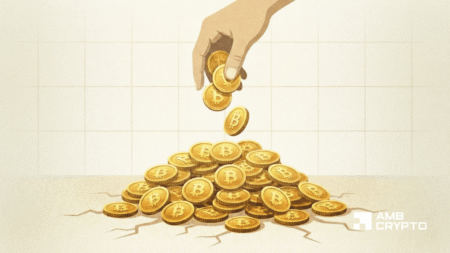
The cryptocurrency landscape has experienced its share of volatility, yet Bitcoin’s long-term returns remain exceptionally robust. For instance, following a cycle low in 2022, when Bitcoin traded at approximately $17,000, the price surged to around $105,000— a staggering increase of over 517% in just two years. This impressive return underscores Bitcoin’s potential as a long-term investment vehicle. However, it also highlights the escalating cost of entry into the market; acquiring a single Bitcoin now requires a capital investment significantly higher than in 2022, marking a notable barrier for retail investors.
Rising Demand Indicates Market Maturity
As Bitcoin approaches its mid-2025 performance mark, the trend continues to align with previous bull cycles. Historical data illustrates that Bitcoin achieved returns of 1076% from 2015 to 2018 and 1007% from 2018 to 2022. The current trajectory suggests that the underlying demand for Bitcoin is scaling alongside its market maturity. This sustained demand feeds into the behavioral dynamics of long-term holders, as it not only fosters confidence in existing investors but also piques the interest of new entrants, driving a perpetual cycle of investment and market activity.
Retail Investors’ Strong Conviction
Contrary to what might be expected given the rise of institutional interest in Bitcoin, retail investors continue to demonstrate a strong commitment to the asset. Analysis of on-chain data reveals that there has been a notable increase—approximately 33%—in addresses holding more than 0.01 BTC over the past two years. This trend is crucial as it showcases that smaller, retail-focused investors are not only maintaining their positions but actively accumulating BTC even at elevated prices. Additionally, the number of addresses controlling over 1 BTC has exceeded the one million mark, highlighting the strength of retail participation in the Bitcoin market.
HODLing and Future Perspectives
The sustained accumulation of Bitcoin among retail investors indicates a broader sentiment of confidence in the asset class. Many smaller holders are leveraging their positions, banking on substantial future returns that justify the increased capital commitment required. This trend aligns seamlessly with the "HODL" philosophy that emphasizes long-term holding over short-term trading. As a result, Bitcoin’s underlying structural strength becomes increasingly evident, reinforcing its appeal as a long-term investment option.
Institutional Influence on Market Dynamics
The interest from institutional investors has undeniably grown, marking Bitcoin’s transition from a high-risk speculative asset to a reliable investment option. However, rather than pushing retail investors out, this increased institutional engagement seems to have bolstered their conviction. Retail investors are energized by the growing legitimacy of Bitcoin, viewing it as a stable and promising asset. This dynamic interaction between institutional and retail investors creates a fertile ground for continued market growth, presenting opportunities for both types of investors.
Conclusion: A Resilient Future for Bitcoin
In summary, Bitcoin’s impressive long-term returns signal a strong and sustained conviction among investors, both retail and institutional. As the cryptocurrency matures into a significant asset class, its patterns of price performance continue to inspire confidence and attract new participants. The rise in retail investment and accumulation, alongside growing institutional interest, paints a promising picture for Bitcoin’s future. Despite the barriers to entry created by rising prices, the long-term prospects for Bitcoin remain robust, suggesting that it will continue to play a central role in the evolving financial landscape.