




Bitcoin’s Path to Recovery: Analyzing Derivatives Deleveraging and Sentiment Shifts
In recent months, Bitcoin has faced significant fluctuations, particularly as it approached a staggering $100,000 by 2025. The recent surge in Bitcoin funding rates demonstrated the cryptocurrency’s shifting sentiment, signaling both enthusiasm and caution among investors. As Bitcoin’s price rallied towards this psychological barrier, funding rates expanded to between 0.05% and 0.08%, suggesting increasing long positions and a sense of euphoria among traders. However, this spike was not sustainable, and a subsequent period of consolidation ensued, revealing a critical shift in the market dynamics that could have implications for price stability moving forward.
As we moved into early 2026, the sentiment took a noticeable turn. Bitcoin’s price began retracing towards the $60,000 mark, and funding rates reflected this shift by trending downward, even flipping into negative territory at times. This phenomenon highlighted a concerning market trend—an overcrowding of short positions where bearish traders were required to pay premiums to maintain their market exposure. This situation indicates a shift in sentiment, as traders started to anticipate a decline, which had the potential to further create a cycle of selling pressure.
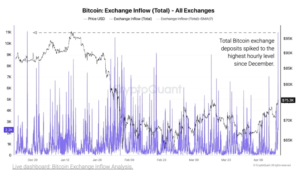
During the rally, Open Interest reached an impressive peak of approximately $45 billion before plummeting to around $22 billion. This dramatic decline reinforced the narrative of large-scale leverage destruction, as investors began to unwind their positions amidst market uncertainty. The unwinding process often leads to forced covering, which can act as a catalyst for rapid price rebounds. Consequently, Bitcoin briefly bounced back to around $73,000 as traders scrambled to cover their shorts, creating a temporary momentum that showcased the inherent volatility of the crypto market.
Funding rates eventually stabilized around neutral levels, indicating a normalization of market sentiment. This settling point is significant, as it suggests that extreme leverage and speculative excesses have been partially mitigated. Historically, such leverage resets have supported stabilization in Bitcoin’s price trajectory, especially when bolstered by sustained spot demand. It implies that the market might be entering a more balanced and healthful phase, provided that demand continues its upward momentum.
The current price of Bitcoin hovering below $73,000 appears to emphasize a state of stressed sentiment among investors who may be feeling the pinch of recent losses. However, historical trends indicate that successfully reclaiming this threshold often signifies the transition into recovery phases. A reclaim to this level can serve as a psychological boost, encouraging participants back into the market. As the dust settles, it is crucial for traders and investors to gauge market sentiment accurately and make informed decisions based on analysis rather than emotional responses to volatility.
In conclusion, the recent events surrounding Bitcoin’s pricing dynamics and derivatives deleveraging highlight crucial shifts in investor sentiment. The market’s current landscape mirrors both challenges and opportunities for those looking to navigate the crypto space. With the completion of liquidation waves and subsequent leverage resets, Bitcoin appears to be setting the stage for potential recovery if demand strengthens. As always, investors should approach the market with caution, taking lessons from previous cycles to maximize their chances of success in the ever-changing cryptocurrency environment.