



Bitcoin and the Impact of Trump’s Tariff Announcement: An In-Depth Analysis
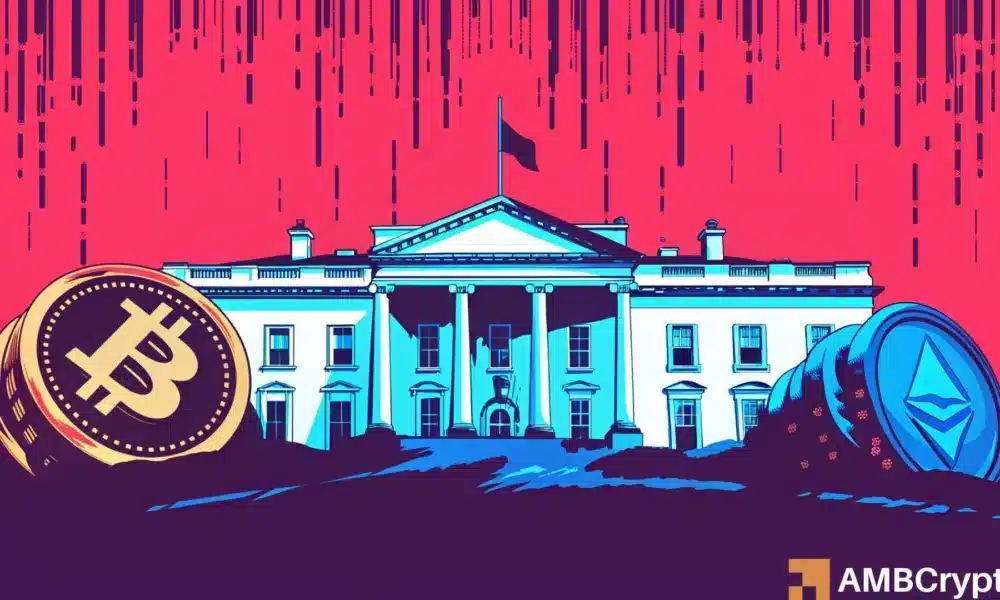
In a surprising move, U.S. President Donald Trump announced a hike in global tariffs to 15% on February 21, 2026, causing ripples across financial markets, including the cryptocurrency sector. This abrupt announcement sent Bitcoin (BTC) prices surging briefly toward the $68K mark but ultimately resulted in a slip into the mid-$60Ks. Ethereum (ETH) and altcoins also experienced downward trends, indicating a broader market sell-off. As investors reacted to this shift, it became evident that the immediate effects of political decisions can significantly alter market sentiments, particularly in the volatile world of cryptocurrencies.
The Market Reaction to Tariff Hike
Following the tariff hike, Bitcoin did not maintain its fleeting highs as it fell sharply alongside other cryptocurrencies. The total cryptocurrency market cap, excluding BTC and ETH, slipped by roughly 0.29%. Wenny Cai, Chief Operating Officer at SynFutures, remarked that cryptocurrencies are acting as “high-beta liquidity proxies.” This suggests that cryptocurrencies like Bitcoin react sensitively to changes in the macroeconomic environment, particularly when the U.S. dollar strengthens and expectations around interest rates shift. Such dynamics indicate that both sentiment and positioning play crucial roles in defining market outcomes during times of geopolitical uncertainty.
Legal Framework Behind Tariff Adjustments
The context behind Trump’s decision to raise tariffs is pivotal. The hike came shortly after a court ruling that limited the president’s ability to utilize emergency powers for trade. However, Trump cited alternative trade laws to support his decision, igniting debates around the legality and longevity of such tariffs. Legal experts, including attorney Adam Cochran, have expressed concerns that these laws limit how long and broadly tariffs can be applied. As the market grapples with uncertainty over both legal and economic ramifications, reactions could be amplified by existing fears.
Market Sentiment: Fear vs. Resilience
The immediate aftermath of the tariff announcement saw a significant drop in market sentiment, reflected in the Fear and Greed Index, which fell into “extreme fear” territory. Investors tend to pull back during such periods of fear, leading to a flight into safer assets like cash equivalents or short-duration Treasury bonds. Cai notes that the financial markets are currently digesting a more hawkish stance from recent Federal Reserve minutes, which has dampened investor enthusiasm for riskier assets, including cryptocurrencies. This environment of caution can create opportunities for thoughtful investors who can differentiate between short-term panic and long-term potential.
Long-Term Outlook for Bitcoin
Despite the current climate of fear and uncertainty, some analysts maintain a positive outlook on Bitcoin’s long-term prospects. Economist Timothy Peterson recently highlighted that, historically, Bitcoin has risen 88% of the time within 10 months following setups where at least half of the preceding two years showed positive performance. With an average return of approximately 82% during these periods, Peterson argues that there could still be significant price appreciation for Bitcoin, potentially reaching $122,000 in the future. These insights offer hope to investors who may be feeling anxious during the current market turmoil.
Conclusion: A Balancing Act between Fear and Potential
As the cryptocurrency market responds to the latest tariff announcements, it’s important to remain mindful of both the short-term fluctuations and the broader historical context. While fear currently reigns, the long-term trajectory for Bitcoin could still be promising. As traders navigate through these tumultuous waters, identifying the difference between genuine bearish trends and panic-induced sell-offs will be crucial for optimizing investment strategies. Ultimately, the market’s resilience hinges on economic fundamentals and the evolving sentiment among investors as they interpret ongoing geopolitical developments.