



Arbitrum’s Sepolia Testnet Outage: Understanding the Nitro-Related Disruption
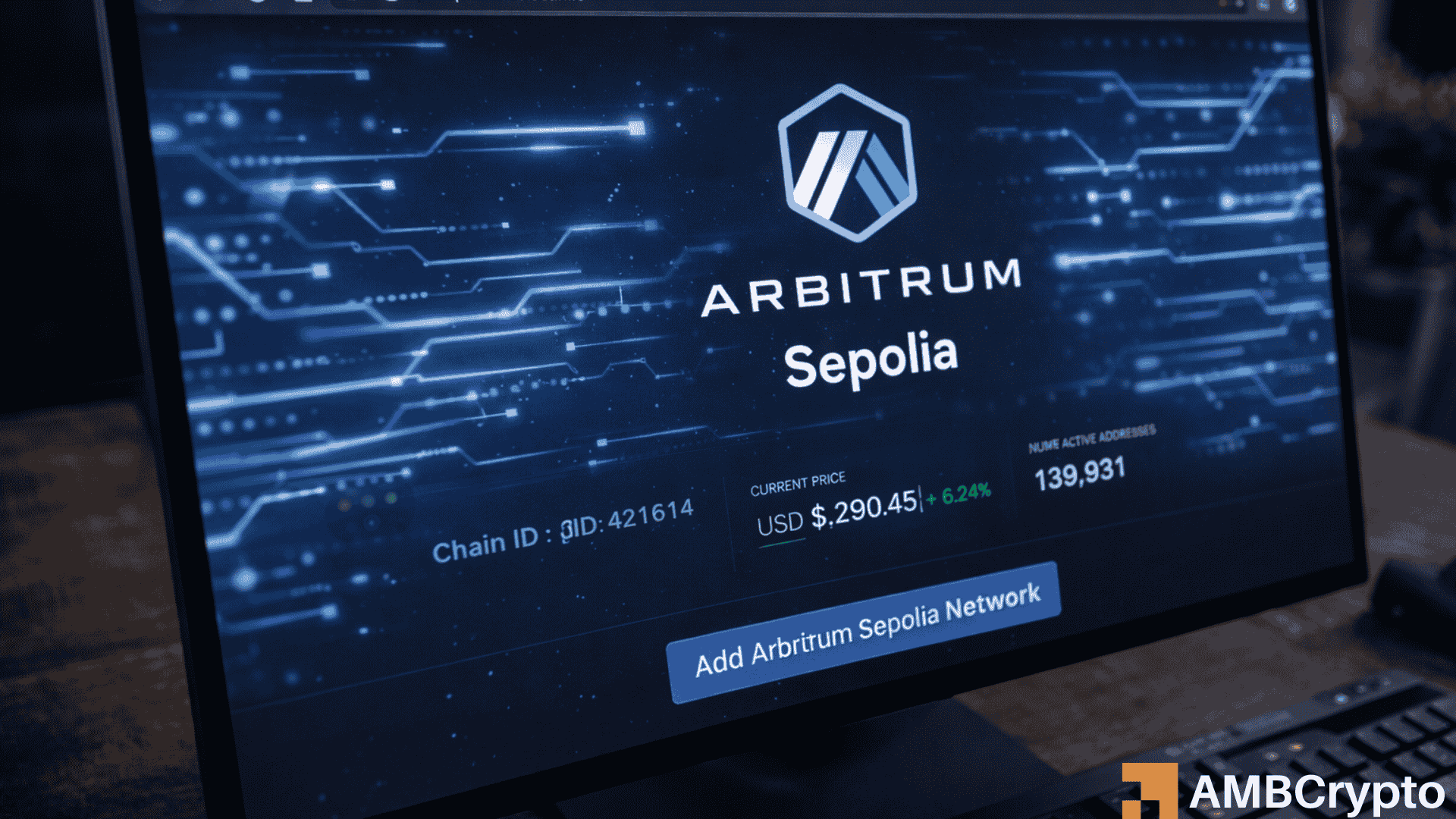
Arbitrum’s Sepolia testnet recently experienced a significant partial outage, causing a halt in block production for several hours. This disruption was linked to a suspected issue within its core execution engine, Nitro, which is essential for the network’s functionality. Although the Arbitrum development team is actively addressing this problem, the incident serves as a critical reminder of the vulnerabilities that can arise even in test environments.
Block Production Halted: The Immediate Impact
During the outage, data from the Arbitrum Sepolia explorer indicated that no new transactions were processed for approximately 3 to 4 hours, confirming a complete stall of network activities. The last recorded transactions were timestamped hours ago, leading to a situation where the chain was effectively frozen. This complete cessation of activity illustrates how quickly a blockchain can become non-operational due to underlying infrastructural complications.
Understanding Block Divergence: The Core Issue
The root of the issue appears to stem from block divergence linked to Nitro. Block divergence occurs when network nodes disagree on the blockchain state, leading to a halt in consensus and, consequently, block production. In response to this condition, networks typically pause operations to prevent further discrepancies. The Arbitrum team identified this root cause early, expediting their response to mitigate the situation. However, they clarified that no immediate actions are necessary for infrastructure providers, meaning current operations will not require immediate adjustments until a patched version of Nitro is available.
Advisories for Developers
As the situation unfolds, developers utilizing the Sepolia testnet for contract deployment and testing have been urged to pause any time-sensitive activities. The Arbitrum team encourages developers to consider alternate environments for testing while they work on resolving the issue. Additionally, infrastructure providers, including validators and RPC operators, have been notified to expect a stalled chain head until block production resumes. This guidance aims to help developers navigate the disruption while they await normalcy.
No Risk to User Funds: Clarifying Financial Safety
Amid the outage, Arbitrum stressed that user funds are secure, as the problem is confined to the Sepolia test environment. This reassurance is vital for maintaining user trust and confidence in the blockchain ecosystem. While incident alerts like this may not have effects on live user assets, they can disrupt developer workflows and highlight potential vulnerabilities within core systems. It underscores the importance of having robust fallback strategies and contingency plans in place to mitigate such risks.
Recovery in Progress: What’s Next?
Arbitrum’s team is diligently working to diagnose the root cause of the issue and intends to release a new Nitro version to resolve the block divergence. The community can expect further updates as the team progresses towards restoring normal operations. Continued communication from the Arbitrum development team will be critical in maintaining transparency during this recovery phase, reinforcing user trust and ensuring that stakeholders remain informed as the situation evolves.
Conclusion: The Importance of Vigilance in Blockchain Development
The outage of Arbitrum’s Sepolia testnet serves as a stark reminder of how core infrastructural challenges can halt blockchain activity, regardless of whether the environment is a testnet or a mainnet. While no user funds were compromised during this incident, it emphasizes the importance of robust testing and operational frameworks within blockchain development. As the industry continues to evolve, maintaining vigilance and addressing potential vulnerabilities will be key to ensuring the seamless functioning of decentralized networks like Arbitrum.
In summary, while the incident with Arbitrum’s Sepolia testnet has caused temporary frustrations, it also presents an opportunity for learning and improvement in blockchain infrastructure management.
This article covers the critical aspects of the recent outage, emphasizing the importance of understanding underlying issues in blockchain networks while maintaining user reassurance throughout the recovery process.