



Bitcoin’s Price Dynamics Amid U.S. Tariff Discourse: Analyzing Its Safe-Haven Potential
In recent weeks, Bitcoin’s price movements have been notably influenced by geopolitical developments, particularly those related to U.S. tariffs. The rapid response of the cryptocurrency market to speculation from former President Donald Trump regarding aggressive tariff reinstatement against China and the European Union highlights Bitcoin’s sensitivity to macroeconomic exposure. As news broke of potential tariffs, Bitcoin experienced a sharp decline, momentarily disrupting its rally towards record highs. Such volatility underscores the fragility of cryptocurrencies when confronted with policy-related headlines, causing a retreat in investor sentiment as they reassessed risk. Fearful of the broader economic implications of heightened trade tensions, many investors opted for caution, leading to a brief but significant dip in Bitcoin’s price.
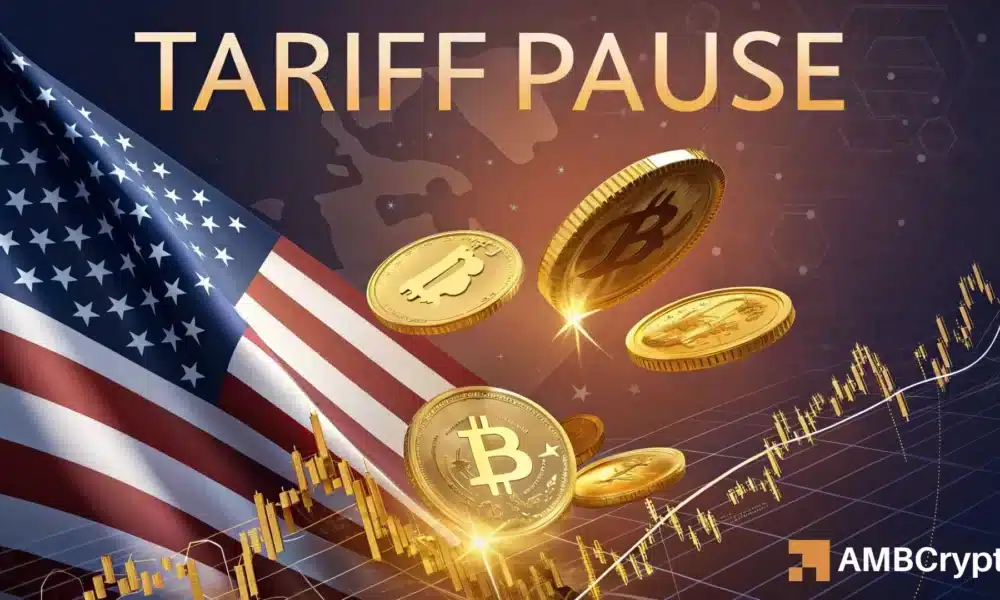
The subsequent announcement of a pause in tariff discussions, however, triggered a remarkable turnaround. As midweek rolled in, markets found relief in the absence of immediate policy changes, revitalizing investor confidence. Bitcoin responded positively to this development, bouncing back and showcasing its ability to rally following any easing of geopolitical tensions. The dynamic shift from anxiety to optimism highlighted crypto’s susceptibility to international economic signals. In this case, with tariff threats sidelined, Bitcoin now has the opportunity to consolidate and advance, as long as macroeconomic stability continues.
Interestingly, Bitcoin’s recent price trends have begun to mirror those of gold. During the peak of tariff concerns, both assets saw declines, and as fears subsided, they experienced significant surges. This strong correlation between Bitcoin and gold may indicate that investors are starting to view Bitcoin as a viable safe-haven asset akin to gold. Historically, during turbulent economic times, investors have flocked to gold, seeking security against market volatility. However, Bitcoin, which has long been regarded as too unpredictable for this purpose, is beginning to carve out its niche as a hedge against macroeconomic uncertainty. Such a shift in perception could fundamentally alter Bitcoin’s market dynamics and its role during global financial shocks.
Looking ahead, while the current pause on tariffs may seem to offer some respite, the market remains on high alert. Traders are keenly observing upcoming statements from U.S. leadership, as any new indications of policy changes could dramatically influence Bitcoin’s price trajectory. A return to heightened tariff rhetoric or aggressive trade policies could potentially lead to another wave of selling pressure, echoing previous patterns of Bitcoin’s vulnerability to macroeconomic factors.
As the world watches, it is evident that the complex interplay of cryptocurrency with global economics is intensifying. The heightened relationship between Bitcoin and traditional assets like gold provides a glimpse into the evolving landscape of investment strategies. Investors are increasingly navigating a world where cryptocurrencies are no longer sidelined but are actively becoming integral components of diversified asset portfolios.
In conclusion, Bitcoin’s recent oscillations in response to tariff discussions serve as a reminder of the cryptocurrency’s evolving role in the financial market. With an apparent shift towards becoming a digital safe haven, the potential for Bitcoin to thrive in times of uncertainty is becoming more apparent. However, its future continues to hinge on broader economic developments and policy decisions, making it a compelling asset to watch as the tapestry of global trade unfolds.