



Tether (USDT) Dominance and Its Impact on Altcoins: What to Expect in the Coming Weeks
Understanding the Dominance of Tether (USDT)
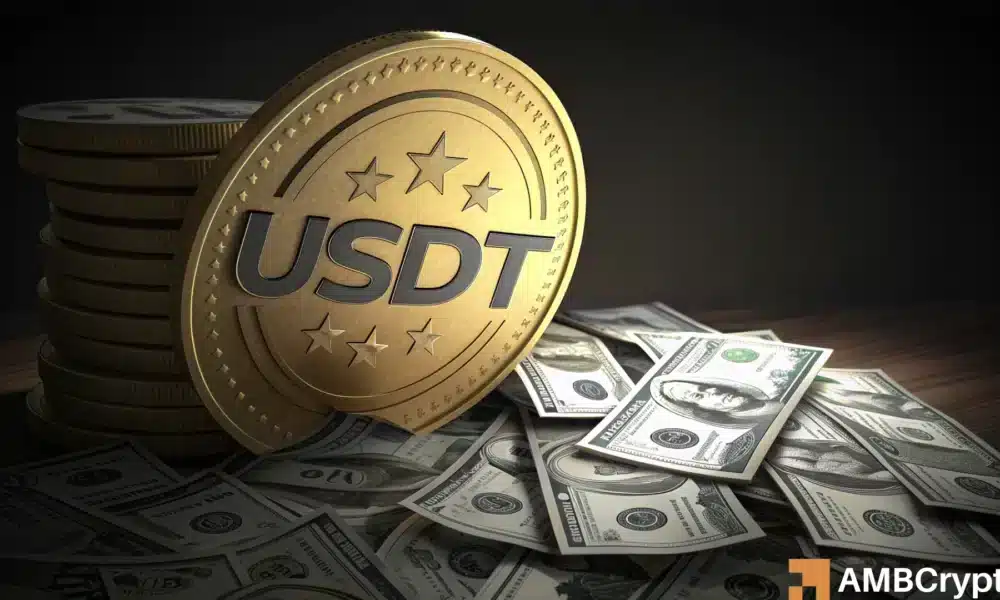
As the cryptocurrency market evolves, Tether’s USDT dominance is set to rise, potentially leading to a short-term correction in altcoins reminiscent of the events of April 2025. This period may see a temporary departure from riskier assets as investors turn towards stablecoins like USDT for a sense of safety. The implications of this shift could lead to short-term volatility in the altcoin market, influencing liquidity dynamics and investor psychology.
The Market’s Anticipated Turbulence
Analysts predict a challenging environment for altcoins in the upcoming weeks. The expected increase in USDT dominance indicates a broader trend where funds shift from high-risk altcoins to the perceived stability of stablecoins. Such movements usually occur during market uncertainty or fear, prompting investors to safeguard their assets. Tether’s rising prominence can drain liquidity that would otherwise flow into altcoins, prompting a market correction.
The Stablecoin Demand Narrative
While the USDT dominance signals caution among investors, it also reflects the growing recognition of stablecoins in the financial ecosystem. Ethena’s USDe recently added a staggering $2.7 billion to its supply, showcasing robust demand for stable digital currencies. This growth underlines the necessity of stablecoins in providing liquidity and utility within the cryptocurrency space. When the USDT dominance eventually peaks, there is a likelihood that investors will redirect their sidelined funds back into altcoins, setting the stage for a potential rebound.
Institutional Endorsement of Stablecoins
Global acceptance and momentum surrounding stablecoins are gaining traction. Jamie Dimon, CEO of JPMorgan, has recently acknowledged the utility of stablecoins, contrasting them with Bitcoin’s speculative nature. His comments came during the announcement of a partnership with Coinbase, allowing Chase users to convert reward points into crypto. This backing from established institutions signifies a shift towards recognizing the practical applications of stablecoins, making them a pivotal part of the future financial landscape.
Emerging Regulatory Frameworks
The passage of the GENIUS Act in the U.S. has galvanized similar regulatory efforts globally, particularly in Asia. Countries such as South Korea, Thailand, and the Philippines are advancing regulatory frameworks for the issuance of fiat-pegged tokens. Regional powerhouses, including JD.com and Ant Group, are exploring stablecoin issuance as well, highlighting an increasing inclination towards stable digital currencies. This regulatory momentum could provide a more structured environment for the growth of stablecoins and further solidify their role in the market.
The Future of Altcoins and Stablecoins
As this dynamic unfolds, the future of altcoins remains intertwined with the performance of stablecoins like USDT. While a correction may temporarily shake altcoin valuations, the anticipated eventual reallocation of funds offers the promise of recovery and growth. Investors must remain vigilant during these turbulent times, balancing the caution of USDT dominance against the robust demand for altcoins. The evolving landscape of stablecoins, underpinned by institutional endorsement and regulatory frameworks, presents a significant opportunity for both short-term and long-term strategies.
In conclusion, the narrative surrounding USDT dominance and its influence on altcoins highlights the intricate balance within the cryptocurrency market. Understanding these dynamics can potentially guide investors in navigating the impending market fluctuations while preparing for opportunities that may arise from the eventual recovery of altcoins.