



U.S. Stocks Tempered by Oil Prices and Geopolitical Tensions
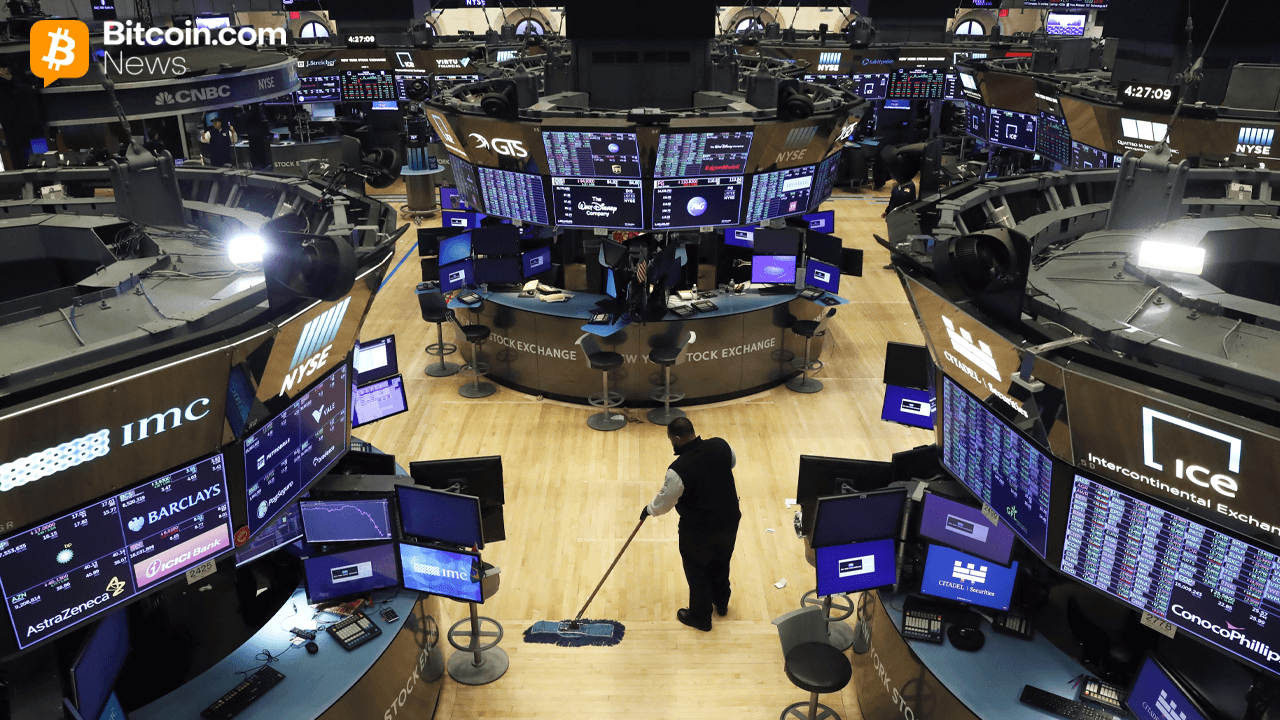
On Thursday, U.S. equities experienced a modest decline late in the trading session, largely influenced by rising oil prices and persistent geopolitical tensions. The market’s upward momentum, which had been bolstered by advancements in artificial intelligence, faced headwinds from these external factors, leading to cautious sentiment among investors. As of 3:30 p.m. EST on February 19, key indices displayed signs of vulnerability, particularly the Dow Jones Industrial Average, which reflected a broader trend of hesitancy among traders.
Rising Oil Prices: A Six-Month High Impacting Markets
One of the significant contributors to the late-day downturn was the surge in oil prices, which reached a six-month high. Increased oil prices often have a cascading effect on the economy, raising concerns about inflation and its subsequent impact on consumer spending. Investors are acutely aware that higher energy costs can lead to increased production expenses for companies, which might affect profit margins and overall economic performance. The recent spike in oil prices has heightened anxiety among market participants, leading them to reassess their positions and strategies.
Geopolitical Tensions: A Cloud Over Market Sentiment
In addition to the influence of rising oil prices, heightened geopolitical tensions have also played a critical role in shaping market sentiment. Global political uncertainties can deter investors due to the risks associated with potential conflicts or economic sanctions. Recent events in various regions have underscored the fragility of international relations, prompting investors to adopt a more cautious approach as they navigate this complex landscape. This renewed wariness has contributed to the overall reticence observed in the equity markets on Thursday.
Impact of the Federal Reserve’s Cautious Signals
Adding to the market’s apprehension are the cautious signals emanating from the Federal Reserve. Recent communications suggest that the Fed may proceed with a measured approach to interest rate adjustments, which has left investors questioning the pace of future monetary policy changes. Concerns about inflation persist, and while some data indicates moderate growth, others signal potential slowdowns. The Fed’s careful navigation of these economic indicators contributes to an atmosphere of uncertainty, impacting investor confidence and driving market volatility.
Balancing AI Optimism with Existing Challenges
Despite the subdued market performance, the previous session’s rally, fueled in part by excitement over advancements in artificial intelligence (AI), remains a vital part of the discussion among investors. The transformative potential of AI across various sectors continues to inspire optimism. Nevertheless, investors are now faced with the challenge of striking a balance between this enthusiasm and the realities posed by fluctuating oil prices and geopolitical tensions. The market’s ability to sustain momentum will largely hinge on how well it can integrate these influential factors into investment strategies.
Looking Ahead: Strategic Considerations for Investors
As investors look ahead, the interplay of rising oil prices, geopolitical tensions, and Federal Reserve policies will likely define the market landscape in the near term. Those participating in U.S. equities must remain vigilant and adaptable, ready to respond to shifting dynamics. Engaging with economic indicators, monitoring global events, and reassessing portfolios accordingly will be crucial in navigating the complexity of today’s markets. In conclusion, while challenges loom, opportunities still exist for informed investors who understand how to maneuver through the evolving financial terrain.