




Bitcoin’s Recent Movement Amidst Federal Changes and Industry Developments
As of Friday morning, Bitcoin experienced a notable decline, dipping towards $81,000. This drop came after Wall Street withdrew over $1 billion from cryptocurrency ETFs following the Federal Reserve’s recent decision to pause interest rate hikes. Analysts are now closely monitoring Bitcoin’s performance, alongside significant developments in the cryptocurrency landscape, including an intriguing appointment made by former President Trump and evolving corporate dynamics surrounding major players like Binance and SoFi.
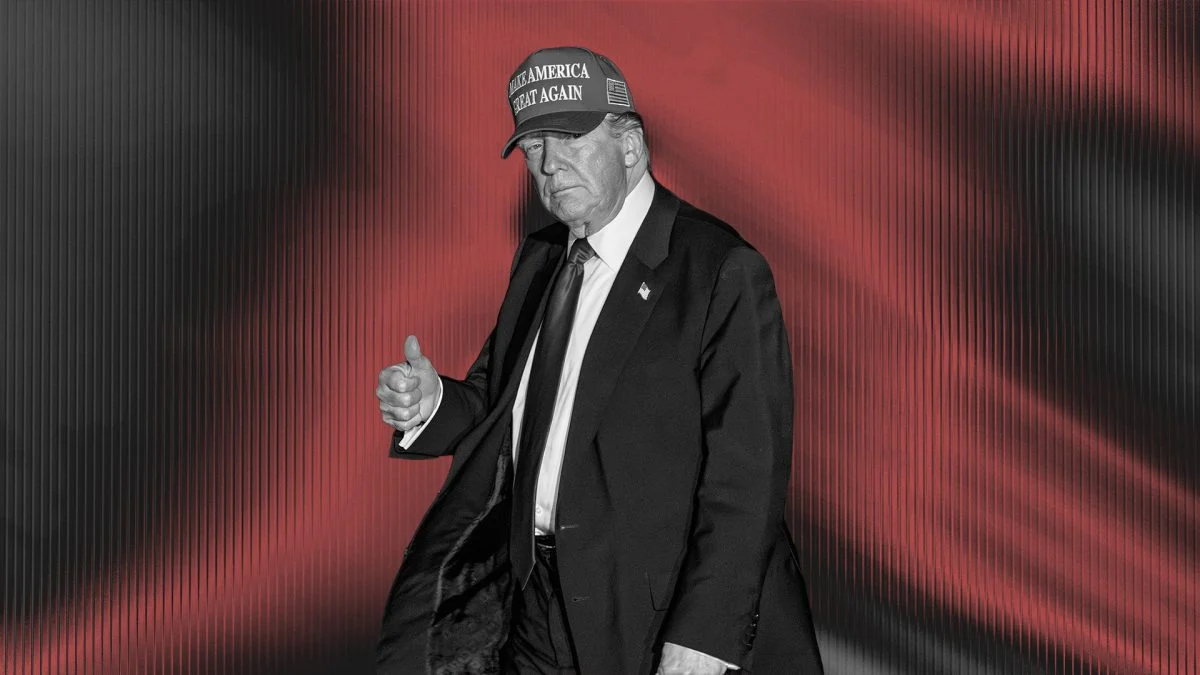
Former President Donald Trump recently nominated Kevin Warsh for the position of Federal Reserve chair. Warsh’s selection aligns with market speculation and reveals a shift toward a more crypto-friendly perspective in U.S. monetary policy. He previously served as a Fed governor and possesses substantial experience in the financial sector. Warsh is recognized for his belief that Bitcoin does not threaten the U.S. dollar and can function as a stabilizing force in policy-making. His appointment has sparked discussion among industry stakeholders, given his previous engagements in the crypto space, including investments in the now-defunct Basis stablecoin.
In another noteworthy development, Binance, the world’s leading cryptocurrency exchange, announced a significant move to convert its $1 billion SAFU (Secure Asset Fund for Users) insurance fund from stablecoins into Bitcoin. This decision is part of Binance’s strategy to bolster industry confidence amid challenging market conditions. The exchange asserts that regular audits will ensure funds remain robust, reflecting a long-term commitment to Bitcoin even as its market value fluctuates. This conversion is crucial for Binance, which has faced scrutiny recently, highlighting the ongoing debate about the operational integrity of major crypto exchanges.
SoFi Technologies, a major player in the online lending sector, disclosed that it achieved its first $1 billion revenue quarter while expanding its crypto offerings. This marks a significant milestone as the company recorded substantial profit and a significant uptick in its user base. By becoming the first nationally chartered bank to enable consumer crypto trading and launching its own stablecoin, SoFi is positioning itself as a frontrunner in the fintech and cryptocurrency convergence. Management’s optimistic guidance for future growth fortifies the notion that traditional finance is increasingly embracing digital assets.
Simultaneously, the U.S. Department of Justice has finalized a forfeiture of over $400 million linked to the Helix darknet crypto mixer, highlighting the ongoing regulatory scrutiny surrounding crypto transactions. Helix facilitated significant Bitcoin transactions associated with money laundering from illegal sources, which has intensified the debate regarding the regulations of privacy tools in the crypto industry. As lawmakers grapple with how to approach such services, the landscape is rapidly evolving, leading to greater calls for transparency and accountability from crypto platforms.
In an encouraging initiative for the Ethereum ecosystem, co-founder Vitalik Buterin has committed approximately $45 million in Ethereum to support open-source security and privacy projects. This funding move reflects Buterin’s vision for enhancing self-sovereignty and sustainability within the platform, especially as the Ethereum Foundation shifts to a more austere operational model. Buterin’s investment prioritizes software and technology development aimed at bolstering security, potentially influencing future advancements in decentralized finance and privacy protocols.
Looking ahead, the coming week presents exciting developments across various sectors, including releases of mortgage data and interest rate decisions from the Bank of England. Additionally, several crypto projects are poised for significant token unlocks, which could impact market dynamics. Events like CatLumpurr in Kuala Lumpur and the Adopting Bitcoin conferences in Africa and El Salvador will further foster conversations around Bitcoin adoption and global cryptocurrency trends.
In summary, the current crypto landscape is characterized by significant institutional interest and participation from traditional finance. With appointments like Warsh, corporations like Binance and SoFi pushing boundaries and regulatory developments unfolding, the trajectory of Bitcoin and other cryptocurrencies is increasingly intertwined with mainstream economic policies. The future looks promising as the industry seeks to stabilize while also innovating amid challenges.