




Bitcoin’s Resilience and Emerging Trends: A Market Overview
Bitcoin Holds Steady Amid Macro Pressures
As Bitcoin (BTC) stabilizes around the $68,000 mark, it faces significant macroeconomic pressures that are squeezing liquidity. Analysts suggest that the cryptocurrency market is in a phase of compression, waiting for renewed demand to spark a breakout. This situation presents an interesting opportunity for investors as they navigate the evolving landscape of cryptocurrencies. With the market’s fluctuating dynamics, Bitcoin continues to display resilience, reflecting its potential as a digital asset in a rapidly changing financial environment.
Fannie Mae Ventures into Crypto-Backed Mortgages
In an unprecedented move, Fannie Mae is set to accept Bitcoin and USDC as collateral for mortgages, marking a significant milestone in U.S. housing finance. This initiative aims to allow borrowers to utilize their crypto holdings without liquidating them. Collaborating with Better Home & Finance and Coinbase, the process involves overcollateralized digital loans for down payments while insulating the primary mortgage from market volatility. This innovation could attract a new wave of crypto investors into the housing market, further bridging traditional finance and digital assets.
Trust Wallet Introduces AI Trading Agents
In another notable development, Trust Wallet, boasting over 220 million users, has launched AI agents designed to automate crypto transactions. These agents can handle trades, transfers, and recurring purchases across more than 25 blockchain networks. Users can opt for fully autonomous agents or assistive ones requiring transaction approval. This launch aligns with a broader trend of integrating artificial intelligence into crypto trading and portfolio management, enhancing user accessibility and streamlining investment strategies.
MARA’s Strategic BTC Sale for Financial Flexibility
Marathon Digital Holdings (MARA) recently sold 15,133 BTC for approximately $1.1 billion to repurchase convertible senior notes, reducing its total convertible debt significantly. This sale reflects a policy shift allowing the company to utilize its bitcoin treasury rather than relying solely on newly mined coins. CEO Fred Thiel emphasized that this strategy aims to enhance financial flexibility as MARA moves toward digital energy and AI infrastructure. This decision highlights the growing strategic importance of bitcoin as a financial instrument for corporations.
Bitcoin’s Safe-Haven Status During Geopolitical Tensions
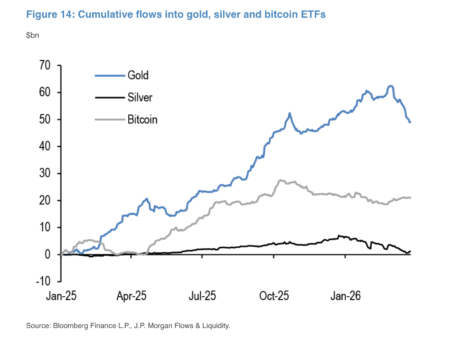
Recent analyses from JPMorgan suggest that Bitcoin is increasingly seen as a safe-haven asset amid ongoing geopolitical conflicts, particularly regarding Iran. The cryptocurrency has experienced significant inflows, contrasting with gold and silver, which faced substantial sell-offs. Crypto usage in Iran surged as citizens turned to Bitcoin to navigate currency instability and stress. This scenario reinforces the narrative that Bitcoin may be less volatile than traditionally perceived and could serve as a viable alternative during global economic uncertainties.
Future Developments in the Crypto Ecosystem
Looking ahead, the digital asset ecosystem continues to evolve with upcoming public speaking engagements from U.S. FOMC members and significant events such as the Stable Summit 2026 in Cannes. As the crypto landscape matures, key figures in the industry are positioning themselves to drive innovation and establish strong foundations for future growth. Regular updates from platforms like The Block remain essential for keeping abreast of the most influential events in this fast-paced environment. As crypto adoption becomes more mainstream, staying informed will be vital for investors and enthusiasts alike.
In conclusion, the current state of Bitcoin and the broader cryptocurrency market reflects both challenges and opportunities. As institutions begin to adopt more innovative practices and integrate technologies like AI, the financial landscape will continue to shift, further intertwining traditional finance with the burgeoning world of digital assets. Whether it’s through mortgage collateralization, AI-assisted trading, or a move towards greater financial agility, these developments signal a promising future for cryptocurrencies.